The 2026 Winter Games in Milan have highlighted the thin line between winning a medal and suffering a career-ending injury. For many athletes, years of preparation are tested in seconds on the ice or snow. While fans watch for new records, the reality for the competitors involves managing physical pain, sudden illness, and personal loss. Recent events show that success depends as much on health and luck as it does on skill. Investigators looking at these events see a pattern of high-risk situations where the human body is pushed to its absolute limit. The following report details the specific events involving injuries, health problems, and the personal lives of those currently competing on the world stage.
Context of the Events
The 2026 Winter Olympics are taking place in Milan and Cortina, Italy. The games have reached a point where the physical toll on athletes is becoming clear.
Read More: FIFA World Cup 2026 Revenue Reaches $15 Billion With New Ticket Prices

Short-track speed skating has seen high-speed crashes and medical emergencies.
Snowboarding and skiing events feature a mix of veteran athletes and those making history through new participation rules.
Cross-country events have been affected by sudden health issues that removed top contenders from the race.
Evidence from the Field
Recent data and reports from the venues provide a look at the current state of the athletes:

Medical Report: Kamila Sellier (Poland) was taken to the hospital after a skate blade cut her face below the eye during the 1500m race.
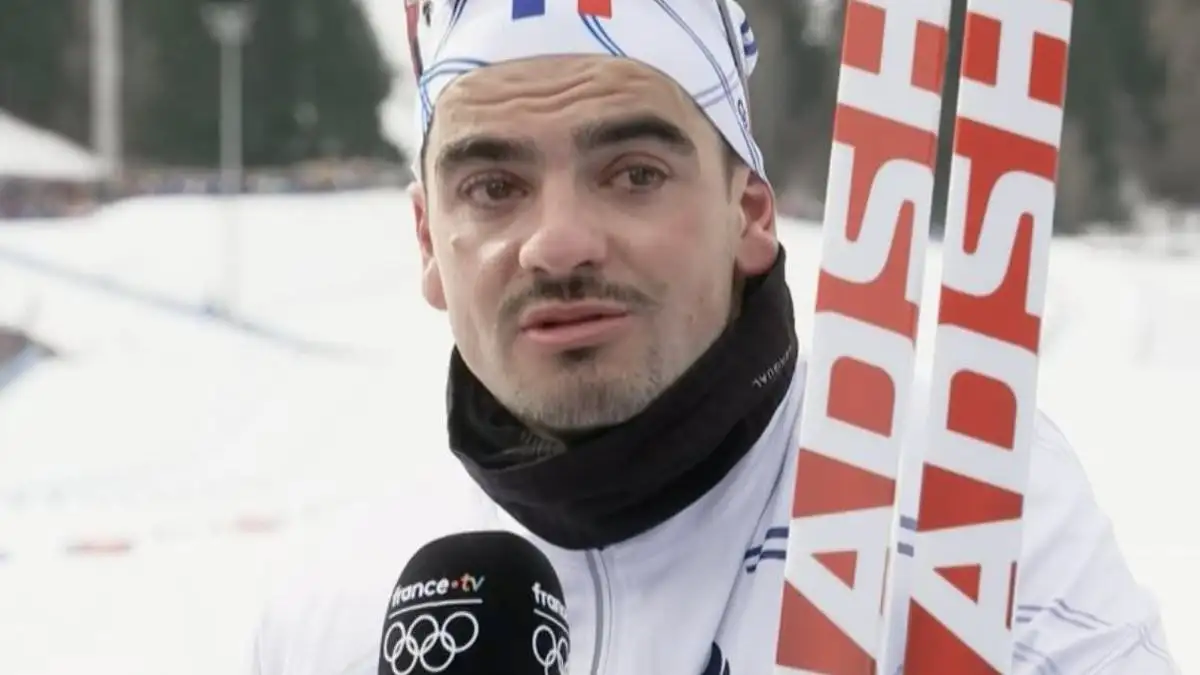
Performance Data: Jules Chappaz (France) crashed out of the men's sprint quarter-finals due to stomach illness.
Official Records: Claudia Riegler (Austria) became the oldest female Winter Olympian at age 52.
Competition Status: Elis Lundholm is competing in women’s freestyle skiing; he was assigned female at birth and identifies as a man.
Physical Safety and Unseen Dangers
The safety of the ice remains a primary concern for investigators and team officials. In short-track speed skating, the proximity of athletes often leads to contact.
The Sellier Incident: During the women's 1500m, Kamila Sellier was hit by a competitor's blade. She was moved on a stretcher and taken to the Milano Ice Skating Arena medical center.
Recovery Outcomes: While Sellier was hospitalized, her team confirmed her eye was not damaged. Similarly, Corinne Stoddard (USA) has managed to avoid the broken bones that affected her previous races, recently finishing in third place despite the known risks of the sport.
Equipment Safety: Questions remain about whether skinsuits and safety gear are enough to protect against metal blades moving at high speeds.
Health and Internal Factors
A medal can be lost not just through a fall, but through internal health issues that the public rarely sees.
The Case of Jules Chappaz: The French skier blamed a severe case of gastroenteritis for his poor performance. He described the situation as "four years of work down the drain."
Impact of Illness: Chappaz reported feeling "terrible" after the qualifying round. This raises questions: How much do teams monitor the food and digestive health of athletes in the Olympic Village?
The Emotional Toll: Physical illness often leads to public emotional distress, as seen in Chappaz’s televised interview where he appeared deeply upset by his body's failure to perform.
Breaking Traditional Boundaries
The 2026 Games are seeing athletes move past traditional limits regarding age and gender identity.
Age and Longevity: Claudia Riegler is competing at 52. She uses new technology for weightlifting because she can no longer use a standard barbell due to neck issues. Her presence challenges the idea that Winter sports are only for the young.
Gender Identity in Sport: Elis Lundholm’s participation in the women’s freestyle skiing category has created a talking point.
Conflicting Views:
Social Media: Some voices on digital platforms question if Lundholm should compete with women since he identifies as a man.
Competitors: Athletes currently competing against Lundholm have stated they have no objections to his presence in the event.
| Athlete | Event | Notable Fact | Result/Status |
|---|---|---|---|
| Kamila Sellier | Short-track | Blade cut to face | Hospitalized (Eye OK) |
| Claudia Riegler | Snowboarding | 52 years old | Oldest female Olympian |
| Jules Chappaz | Cross-country | Gastroenteritis | Eliminated in Quarter-finals |
| Elis Lundholm | Freestyle Skiing | Transgender man | Competing in Women's Category |
| Corinne Stoddard | Short-track | History of crashes | Won 3rd Place |
Expert Analysis
The primary risk in short-track is the blade, which acts like a knife at high speed.
Officials from the Polish Olympic team have stated that while Sellier’s injury was frightening, the medical outcome was better than expected. In terms of social dynamics, the lack of objection from Lundholm's fellow skiers suggests that the internal culture of the sport may be different from the discussions happening on social media. Analysts note that Claudia Riegler's performance proves that modern training machines allow older athletes to bypass physical injuries that would have ended careers 20 years ago.
Read More: Ben Simmons Olympic Return Rumors for 2026 Games
Findings and Next Steps
The evidence shows that the 2026 Winter Games are defined by a mix of medical survival and the breaking of social records.
Physical Safety: Short-track skating continues to be one of the most dangerous sports, with blades causing serious injuries despite safety protocols.
Health Management: Illness like gastroenteritis can be as damaging as a broken limb, and its prevention is vital for Olympic success.
Inclusion: The games are becoming more inclusive of different ages and identities, though this remains a point of debate for the public.
Future investigations should look at whether new safety materials for skinsuits can prevent blade injuries and how teams are managing the health of athletes to prevent sudden illnesses like those seen in the cross-country events.
Primary Sources
Article 1: Corinne Stoddard 2026 Olympics - Details on Stoddard's recent 3rd place finish and past injuries.
Article 3: Elis Lundholm Transgender Olympian - Details on Lundholm's competition status and peer reactions.
Article 4: Speed Skater Sellier Injury - Reporting on the facial injury and hospital transport in Milan.
Article 5: Claudia Riegler Age Record - Information on the 52-year-old snowboarder's training and career.
Article 7: Jules Chappaz Illness - Report on the impact of stomach issues on the French skier's race.