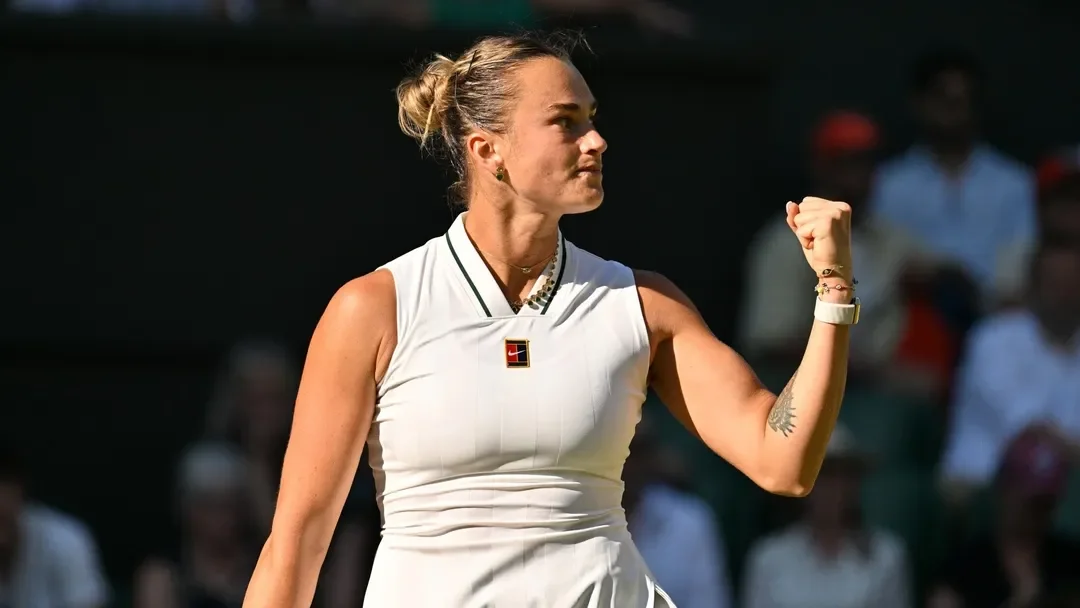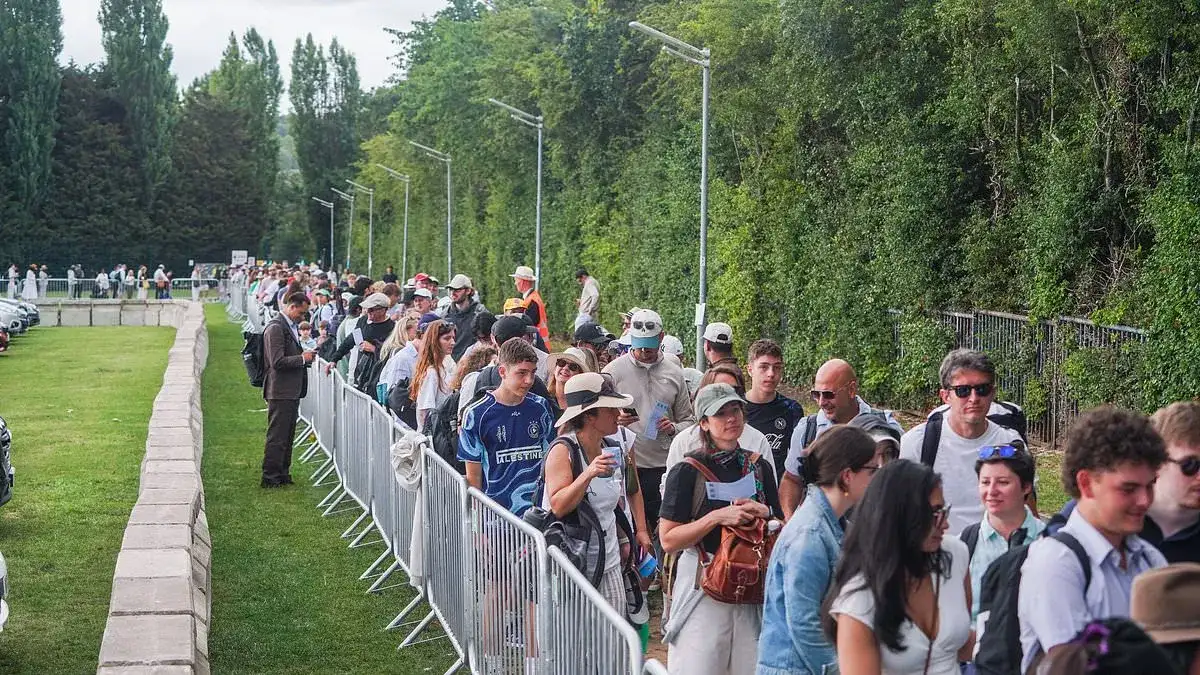
By 04/07/2026, the All England Lawn Tennis and Croquet Club (AELTC) has reached a critical point of operational saturation. On the opening day of the 2026 tournament, 10,000 spectators converged on the SW19 grounds before 8:30 AM, forcing tournament officials to issue an emergency directive for fans to cease further arrivals.
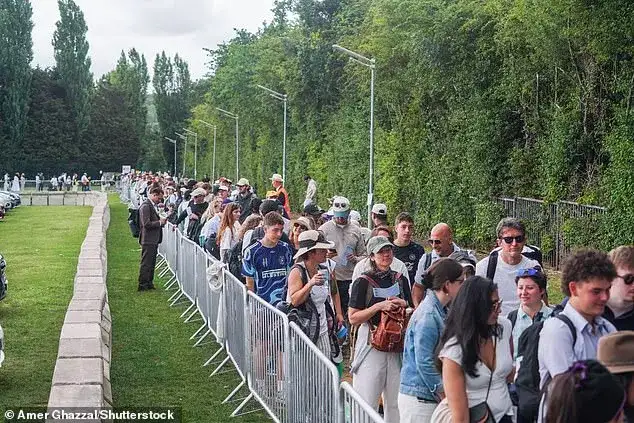
The Wimbledon Queue, once a ritualized social contract for tennis devotees, has transitioned into a hyper-visible digital commodity, struggling to reconcile traditional access with algorithmic amplification.

Structural Breakdown
The collapse of the queue’s traditional fluidity can be traced to several compounding variables:
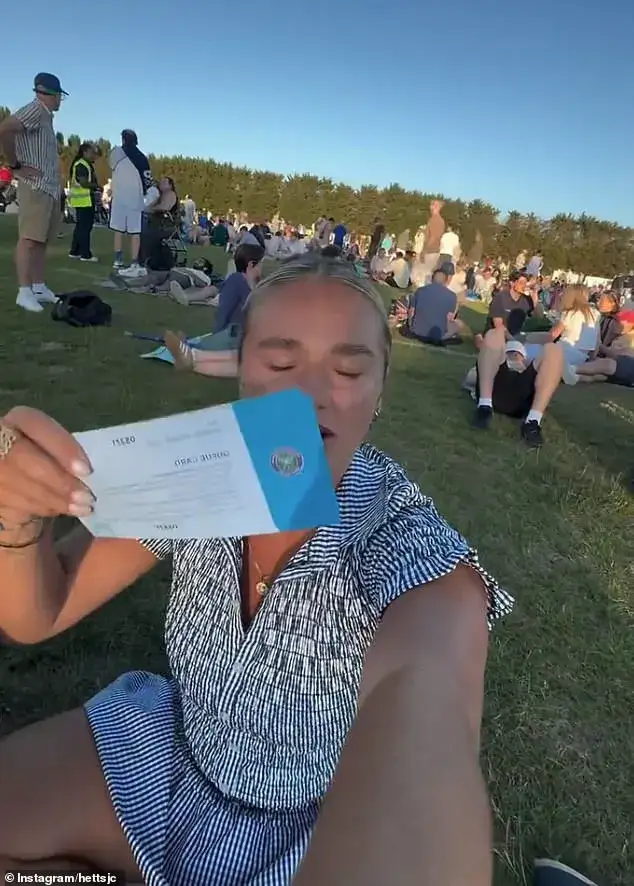
Algorithmic Oversaturation: The migration of "The Queue" from an insider’s tradition to a documented global phenomenon on TikTok and Instagram has incentivized performative attendance. Viral tutorials on securing entry have prioritized content creation over sporting participation.
Attendance Asymmetry: While the AELTC requires app registration to purchase tickets, the influx of spectators arriving from international locations—some flying directly from transit hubs—indicates that the "first-come, first-served" model is increasingly incompatible with high-volume, modern global tourism.
Logistical Failure: The system is built for an intimate audience, not the ten-thousand-strong mass that characterized the tournament's commencement. Stewards, traditionally tasked with managing a queue, were forced into an emergency role of crowd discouragement.
The Contradiction of Access
| Traditional Model | Contemporary Reality |
|---|---|
| Local Knowledge | Viral Tutorialization |
| Tactile Organization | Digital Bottleneck |
| Spontaneous Arrival | Intercontinental Travel |
The experience is currently defined by a conflict between authenticity—long-term attendees waiting for days to maintain the "unofficial" start—and the disruption of massive, transient groups prompted by social media coverage.
"I think back to that period post-Covid where we were somewhat nervous that the queue might die, and ironically the queue has become increasingly popular over that period of time." — AELTC Representative
Contextual Erosion
The Wimbledon Queue has historically functioned as a mechanism for democratic access to elite sport. By setting up camp in Wimbledon Park, attendees traditionally bypassed standard ticket lotteries. However, the intersection of influencer culture and post-pandemic tourism has transformed this space. When thousands descend upon the park simultaneously, the nuanced etiquette of the queue—where long-term veterans and international visitors once negotiated space—is rendered impossible.
Read More: FIFA World Cup 2026 Revenue Reaches $15 Billion With New Ticket Prices
With the high-profile withdrawal of British competitor Emma Raducanu impacting spectator expectations, the demand remains volatile. The event serves as a microcosm of a broader issue in postmodern public life: when a private tradition becomes a viral destination, the infrastructure intended to preserve its accessibility inevitably becomes the site of its functional exhaustion.