A series of legal decisions in the United States has clarified how restaurants can name and sell chicken products. At the center of these cases is the "boneless wing," a menu item that has become a staple in American dining. Aimen Halim filed a lawsuit against Buffalo Wild Wings, arguing that the name is misleading because the meat does not come from the wing of a chicken. This case follows a separate but related ruling from the Ohio Supreme Court regarding physical bones found in "boneless" products. These court decisions focus on what a normal person should expect when they look at a menu and whether companies are trying to trick their customers.
The Timeline of Disputes
The legal debate over chicken labeling has moved through different courts over several years:
January 2023: Aimen Halim buys "boneless wings" at a Buffalo Wild Wings in Illinois and later files a lawsuit claiming the meat is actually "chicken poppers" or nuggets.
July 2024: The Ohio Supreme Court rules on a 2016 case involving Michael Berkheimer, who suffered a serious injury from a bone found in a "boneless" wing.
February 2025: U.S. District Judge John Tharp dismisses Halim’s lawsuit, stating that "boneless wings" is a well-known term used for over twenty years.
"A reasonable consumer would not think that BWW’s boneless wings were truly deboned chicken wings, reconstituted into some sort of Franken-wing." — Judge John Tharp, U.S. District Court.
Legal Evidence and Court Findings
The courts examined whether the term "boneless wing" describes a specific body part of a chicken or a style of cooking.
Read More: Court Says Oat Drinks Cannot Be Called "Milk"

| Feature | Plaintiff Argument | Court Finding |
|---|---|---|
| Product Origin | Meat should be a deboned wing. | Meat is essentially a nugget; "wing" is a marketing term. |
| Consumer Knowledge | People are being tricked into buying cheaper meat. | Consumers have known what "boneless wings" are for 20 years. |
| Safety Labels | "Boneless" must mean 0% bones. | "Boneless" is a style; diners should expect that chicken has bones. |
The core insight from these rulings is that "boneless wings" is considered a "common term" rather than a technical description of chicken anatomy.
Product Identity: Nuggets vs. Wings
A primary point of the Halim lawsuit was the physical makeup of the food. Halim argued that because the product is made of sliced breast meat rather than deboned wing meat, the name is a lie.
Halim's View: The product should be labeled "chicken poppers" or nuggets to be honest about the ingredients.
Buffalo Wild Wings' Defense: The company did not immediately comment on the ruling, but the court noted the term has existed in the industry for decades without causing mass confusion.
The Judge's Decision: Judge Tharp ruled that the product is not a "niche" item that requires deep research to understand. He concluded that most people know they are eating a nugget-like product when they order boneless wings.
The Question of Physical Bones
The Ohio Supreme Court case involving Michael Berkheimer addressed a different issue: safety. Berkheimer suffered a torn esophagus after a bone was left in a wing advertised as boneless.
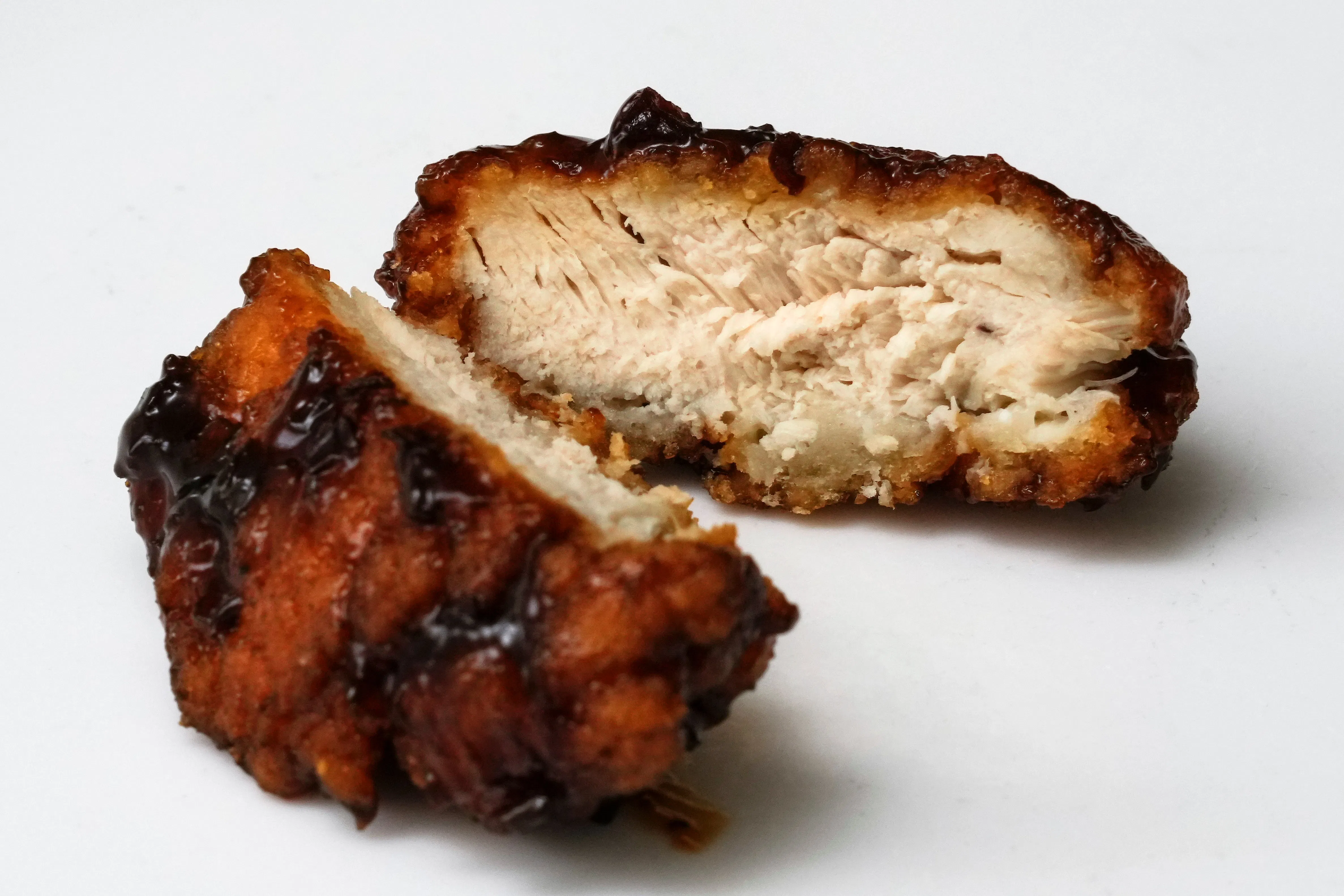
The Argument for Safety: Berkheimer claimed the word "boneless" is a promise of safety. He sued the restaurant, the supplier, and the farm for being careless.
The Court's View: Justice Joseph T. Deters wrote that "boneless wings" is similar to "chicken fingers." Just as a person knows they are not eating actual fingers, they should know that a chicken product might still contain a piece of bone.
The Result: The court sided with the restaurant, stating that it is common sense to be careful of bones when eating chicken.
Probing the Limits of Marketing
The dismissal of these cases raises questions about the responsibility of food companies.
Does the use of the word "wing" imply a higher quality of meat than "nugget"?
If a consumer suffers an injury from a "boneless" product, does the name of the item provide any legal protection to the diner?
Why did Judge Tharp give Halim until March 20 to change his complaint if the initial claim was dismissed?
These questions suggest that while the courts currently side with the industry, the line between marketing and deception remains a subject of legal study.
Expert Analysis
Legal experts and judges have noted that "reasonable consumer" standards are the deciding factor in these cases.
Read More: US 250th Anniversary on July 7, 2026, sees 20% not celebrating

Justice Michael P. Donnelly and other members of the Ohio court looked at the case as a matter of common knowledge. They argued that because chickens have bones, a person eating chicken should always be prepared to find one. This moves the responsibility from the cook to the customer.
In the Illinois case, Judge Tharp focused on the history of the term. By noting that "boneless wings" have been on menus for two decades, he established that the term has moved from a literal description to a category of food. This suggests that the length of time a name is used can eventually make it legally acceptable, even if it is not technically accurate.
Summary of Findings
The legal system has determined that "boneless wings" are a category of food rather than a promise of a specific chicken part.
Read More: UK Court Says Oatly Cannot Call Drinks 'Milk'
Identity: Courts agree that "boneless wings" are essentially chicken nuggets, but the name is not considered a trick because it is widely used.
Safety: The word "boneless" does not legally guarantee that no bones will be present; it describes the style of the meal.
Future Actions: Aimen Halim has a deadline of March 20 to provide more facts if he wishes to continue his legal fight against Buffalo Wild Wings.
Sources and Context
NBC News: Judge allows Buffalo Wild Wings to keep 'boneless' chicken on menu — Provides details on Judge Tharp's 10-page ruling and the 20-year history of the term.
yourNEWS: Judge Rules Buffalo Wild Wings Can Keep ‘Boneless Wings’ Name — Reports on the March 20 deadline for Halim to amend his complaint.
Bloomberg Law: Buffalo Wild Wings Beats ‘Boneless Wing’ False-Advertising Suit — Focuses on the legal definition of a "reasonable consumer" in advertising.
BBC News: Boneless chicken wings can have bones, Ohio court rules — Details the 2024 Ohio Supreme Court decision regarding Michael Berkheimer.
Associated Press (via AOL): Chicken wings advertised as 'boneless' can have bones — Covers the medical consequences and the negligence claims in the Ohio case.