Heightened tensions between the dairy and plant-based food industries have culminated in a significant legal judgment. The UK's highest court has barred the company Oatly from using the word "milk" to market its plant-based beverages. This decision, stemming from a long-running dispute with Dairy UK, the representative body for the British dairy sector, carries substantial implications for the branding and marketing of alternative milk products. The core of the conflict rests on the legal definition of "milk" and whether it can be applied to products not derived from animal mammary secretions. This ruling underscores the complex regulatory landscape and evolving consumer trends in the food industry.
Legal Scrutiny of "Milk" Terminology
The legal battle between Oatly AB and Dairy UK has centered on Oatly's use of the term "milk" and related phrases, most notably the slogan "Post Milk Generation."
Read More: Why US courts say boneless wings are nuggets and not real chicken wings
Dairy Industry Stance: Dairy UK has consistently argued that the term "milk" and designations for milk-derived products like cream, butter, cheese, and yogurt are legally protected and reserved for products originating from animals. They assert that using these terms for plant-based alternatives misleads consumers and infringes upon established regulations.
Oatly's Position: Oatly, a prominent manufacturer of oat-based beverages, sought to use "milk" and its associated slogans to describe its products, aligning with consumer trends favoring dairy-free options.
Timeline of Legal Action: The dispute has been ongoing for several years, involving multiple court appearances. Initially, Oatly had some success, including a High Court decision that allowed the use of "Post Milk Generation" for T-shirts and related items. However, this was later overturned by the UK's Court of Appeal.
Supreme Court Ruling and Its Rationale
On February 11, 2026, the UK Supreme Court delivered a unanimous verdict against Oatly.
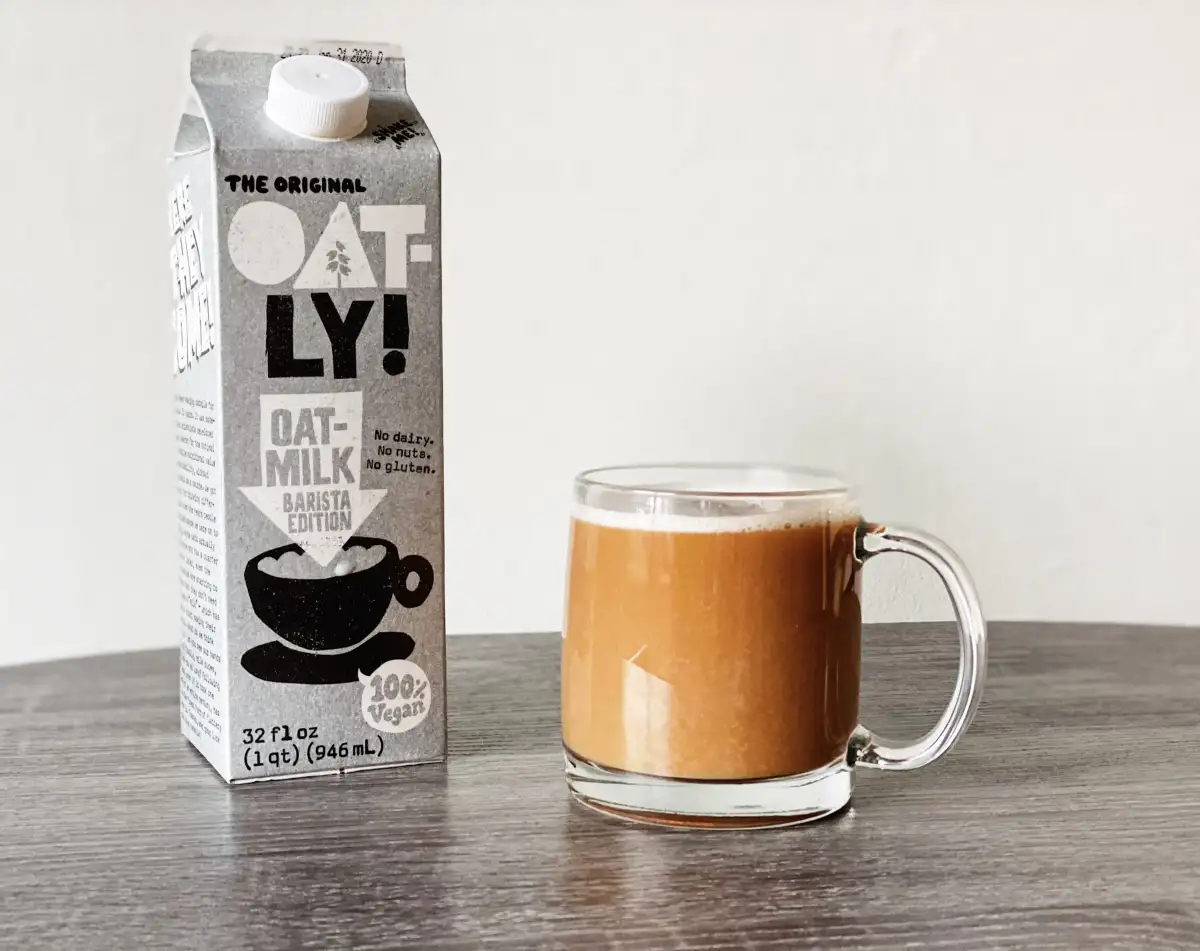
The Core Decision: The court ruled that Oatly can no longer trademark or use the slogan "Post Milk Generation" in its marketing for food and beverage products. This decision validates Dairy UK's arguments regarding the protected status of the term "milk."
Legal Basis: The ruling is underpinned by existing EU regulations, specifically EU Regulation 1308/2013, which remain in effect in the UK as assimilated law. This regulation strictly defines "milk" and related product names for dairy-origin items.
Distinction on "Post Milk Generation": The Supreme Court differentiated "Post Milk Generation" from a product name. They concluded that its use in relation to oat-based food or drink does not clearly signify a product characteristic, such as being milk-free. This is crucial because the regulations permit such terms only if they clearly describe a quality of the product and do not replace a milk constituent.
Implications for Branding: The judgment implies that businesses in the plant-based sector should adopt clearly descriptive alternatives, such as "oat drink" or "plant-based drink," and ensure marketing statements are factual.
Conflicting Trends and Consumer Behavior
The court's decision stands in contrast to observable shifts in consumer preferences and market trends.
Consumer Demand for Plant-Based Options
Rising Consumption: Reports indicate a significant increase in the consumption of plant-based and dairy-free products in the UK and across Europe. Data suggests a willingness among consumers to reduce their dairy intake.
Nutritional Profiles: Studies have shown that the nutritional profiles of plant-based alternatives are often comparable to dairy-based counterparts, with some containing less fat.
The Dairy Industry's Perspective
Protecting Established Terminology: The dairy industry views terms like "milk" as foundational to their product identity and integral to consumer understanding. They see legal protection of these terms as essential for maintaining market integrity.
Preventing Misappropriation: Dairy UK's legal actions are framed as necessary to prevent the "cynical attempts to stifle competition" and to ensure fair marketing practices by safeguarding the established meaning of dairy-related terms.
Expert Commentary and Industry Impact
Legal experts and industry observers have weighed in on the ramifications of the ruling.
"Businesses building brands around legally defined product names, whether in dairy or elsewhere, should expect careful scrutiny and plan their brand strategy accordingly.”— Supreme Court statement
Setback for Plant-Based Branding: The verdict is considered a significant setback for Oatly and the broader plant-based alternative industry, necessitating adjustments in marketing strategies.
Broader Regulatory Landscape: Similar legal battles and regulatory restrictions over the use of dairy-associated language for plant-based products are occurring across Europe, indicating a global trend of regulatory oversight in this sector.
Potential for EU-Wide Action: There is speculation regarding whether Oatly's European trademark registrations will face similar legal challenges from European dairy industry counterparts.
Conclusion and Future Considerations
The UK Supreme Court's ruling on February 11, 2026, solidifies the legal reservation of the term "milk" for dairy products. Oatly's appeal has been unanimously dismissed, invalidating their use of the "Post Milk Generation" slogan for food and beverages. This decision emphasizes the importance of adhering to established regulatory frameworks, even as consumer markets evolve.
Mandatory Rebranding: Oatly, and by extension other plant-based producers, may need to re-evaluate their product names and marketing language to comply with the ruling.
Strategic Adaptation: The case serves as a salient reminder for businesses in the food sector to navigate the complexities of product classification and branding laws.
Ongoing Debate: While this ruling addresses the UK market, the global debate concerning the labeling of plant-based alternatives is likely to persist, influenced by both consumer demand and established industry protections.
Sources
The Guardian: Oatly banned from using word ‘milk’ to market plant-based products in UK (Published: 10 minutes ago) - https://www.theguardian.com/business/2026/feb/11/oatly-banned-from-using-word-milk-to-market-plant-based-products-in-uk
Plant Based News: UK Court Of Appeal Rules Oatly Cannot Use 'Milk' In Its Marketing (Published: Dec 5, 2024) - https://plantbasednews.org/culture/law-and-politics/uk-court-of-appeal-oatly-milk/
Farmers Guide: Oatly loses final appeal in ‘milk’ labelling battle (Published: 12 hours ago) - https://www.farmersguide.co.uk/livestock/dairy-beef/oatly-loses-final-appeal-in-milk-labelling-battle/
Euronews: Oatly gets skimmed in court ruling over ‘milk’ claims (Published: Dec 5, 2024) - https://www.euronews.com/green/2024/12/05/post-milk-generation-no-more-oatly-loses-right-to-call-its-drinks-milk-in-landmark-uk-ruli
UK Supreme Court: Dairy UK Ltd (Respondent) v Oatly AB (Appellant) - UK Supreme Court (Published: 12 hours ago) - https://www.supremecourt.uk/cases/judgments/uksc-2025-0004
Dairy Industries International: Oat drinks are not milks, UK court rules (Published: 12 hours ago) - https://www.dairyindustries.com/news/49967/oat-drinks-are-not-milks-uk-court-rules/
Euro Weekly News: Oatly dairy-free milk brand loses ‘milk’ label (Published: Dec 5, 2024) - https://euroweeklynews.com/2024/12/05/oatlys-milk-must-go-says-uk-court-under-new-ban-for-plant-based-dairy/
The Telegraph: Vegan drink Oatly can’t call itself ‘milk’, judges rule (Published: Dec 4, 2024) - https://www.telegraph.co.uk/news/2024/12/04/vegan-drink-oatly-ban-milk-court-of-appeal-dairy/
The Plant Base: UK court prohibits Oatly’s use of ‘Post Milk Generation’ slogan on food and beverage products (Published: Dec 4, 2024) - https://www.theplantbasemag.com/news/uk-court-prohibits-oatly-s-use-of-post-milk-generation-slogan-on-f-b-products