


Justice Department Prepares Charges Over Decades-Old Downing of Aircraft
The United States Justice Department is reportedly gearing up to file criminal charges against former Cuban President Raúl Castro, possibly as soon as next week. Sources familiar with the matter indicate the indictment is linked to the shooting down of two aircraft over three decades ago, an event that claimed the lives of three U.S. citizens and one legal resident. The move signals an escalation in pressure tactics against the Cuban government, with officials suggesting the strategy mirrors actions taken against Venezuela.

Acting U.S. Attorney General Todd Blanche has not confirmed the reports, but indications suggest the effort has been spearheaded by Cuban-American Republican lawmakers and prosecutors in the U.S. Attorney’s Office for Florida’s southern district. This potential indictment comes alongside an intensified economic embargo against Cuba by the Trump administration.
Read More: Donald Trump Beijing visit May 2026 brings new Boeing and Citi deals

Venezuela Playbook: Indictment as Prelude to Broader Action?
The potential indictment of Raúl Castro, the 94-year-old brother of the late Fidel Castro, is being viewed by some as a potential precursor to further U.S. military action or other significant pressure on Cuba. This mirrors the approach taken in January when the Trump administration deployed troops to Venezuela to apprehend then-President Nicolás Maduro, a close ally of the Cuban government.

People privy to internal deliberations suggest that this impending indictment, coupled with the established precedent in Venezuela, aims to compel the Cuban government to make substantial concessions. These concessions could include the closure of Russian and Chinese intelligence posts on the island and the initiation of economic reforms.
Diplomatic Maneuvers and Cuban Defiance
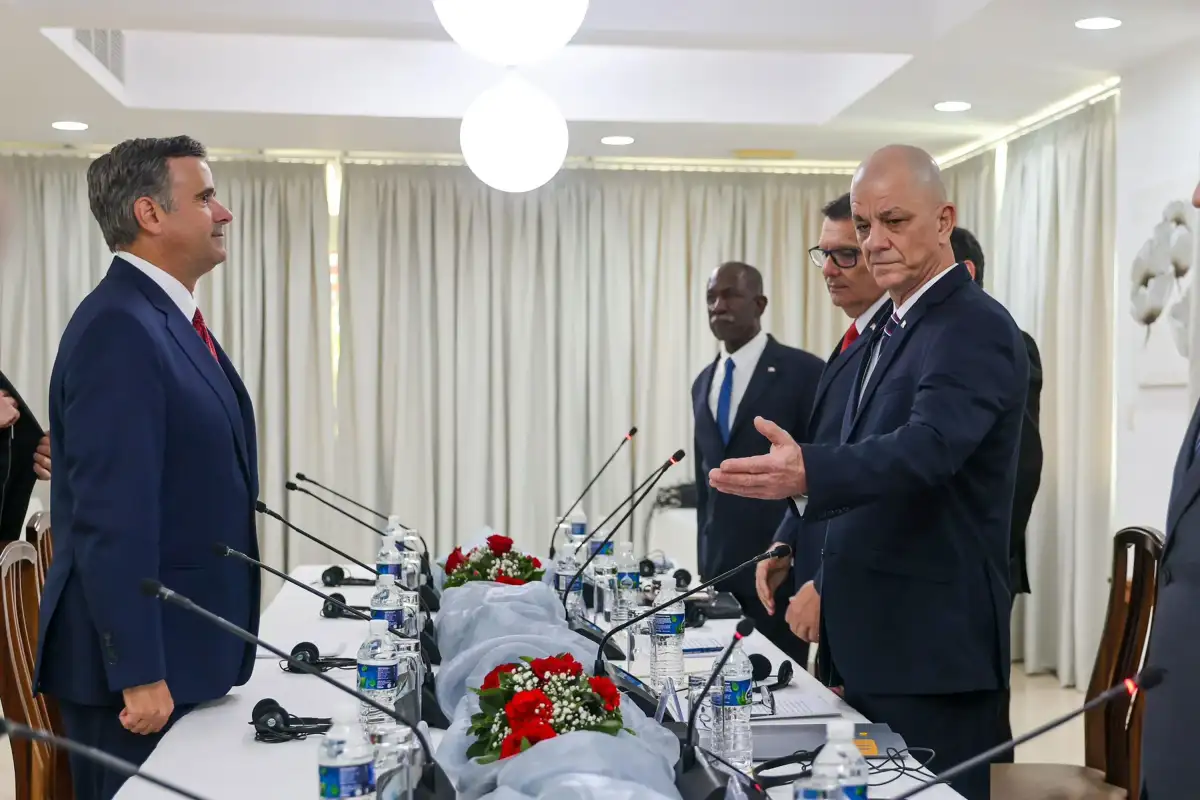
In parallel to the indictment reports, CIA Director John Ratcliffe reportedly met with Raúl Guillermo Rodríguez Castro, grandson of Raúl Castro, and other senior Cuban officials in Havana recently. This meeting, occurring shortly before the indictment news broke, fueled speculation about U.S. attempts to sow division within the Cuban leadership. Current Cuban President Miguel Díaz-Canel confirmed the talks, with Raúl Castro’s grandson present.
Read More: Steve Cohen won't run for Congress in Tennessee after redistricting
Cuba has responded defiantly to the mounting U.S. pressure. The U.S. has also engaged in bilateral talks with Raúl Guillermo Rodríguez Castro, a move that has reportedly caused unease among some Cubans given his lack of an official government role. The Trump administration has also maintained a strict oil blockade on Cuba for the past four months, allowing only limited Russian crude shipments under claims of humanitarian need, and has threatened heavy tariffs on any nation exporting oil to the island.
Read More: US and China start AI safety talks in Beijing
Background
The United States has long pursued a policy of attempting to isolate and exert pressure on Cuba's communist government, employing a combination of economic sanctions and diplomatic maneuvering. The current administration’s focus on Raúl Castro and the potential for a Venezuela-style intervention underscore a continued commitment to achieving regime change or significant policy shifts on the island. Whether these tactics will yield the desired concessions from Havana or further solidify a standoff remains a critical question for the future of U.S.-Cuba relations.


