Oatly loses trademark battle, with judges concluding the term "milk" is reserved for dairy products.
A Long-Standing Dispute Reaches its Apex
The Swedish company Oatly, a prominent maker of plant-based drinks, has concluded a prolonged legal fight over its use of the word "milk" to describe its products. The UK Supreme Court has ruled that Oatly can neither trademark nor use phrases that imply its oat-based drinks are "milk." This decision follows years of contention with Dairy UK, the representative body for British dairy farmers, who argued that using such terms misleads consumers and harms the traditional dairy industry. The case has significant implications for how plant-based alternatives are marketed and labeled in the UK.
The Core of the Conflict: Defining "Milk"
The legal battle centers on the definition of "milk" and whether it can be applied to beverages derived from plants.
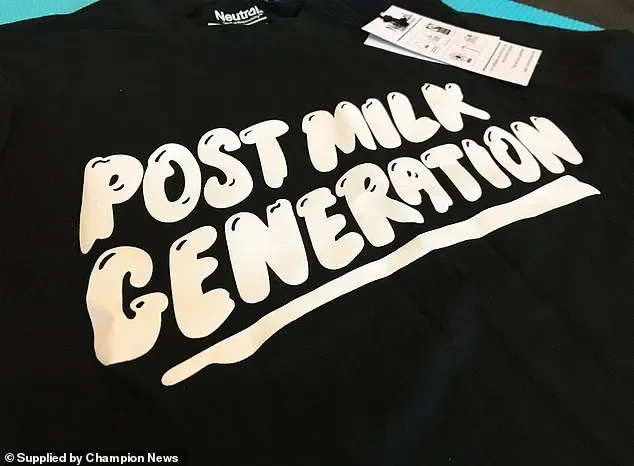
Oatly's Position: Oatly sought to trademark the slogan "post-milk generation" and argued that its marketing clearly indicated its products did not contain dairy. Their legal team contended that the trademark application made it evident that their products were milk-free.
Dairy UK's Argument: Dairy UK maintained that the term "milk" should exclusively refer to mammary secretions from animals. They argued that using "milk" for plant-based alternatives was unlawful and deceptive. Their objection specifically targeted Oatly's trademark application for "post-milk generation," asserting it did not sufficiently clarify that the product was milk-free and instead seemed to refer to a demographic.
Legal Precedent: European regulations, which are still in effect in the UK as "assimilated law," designate specific terms like "milk," "cream," "butter," and "cheese" for dairy products. This regulatory framework underpins the dairy industry's argument.
Supreme Court's Unanimous Decision
On February 11, 2026, the UK Supreme Court delivered a unanimous verdict, siding with Dairy UK.
Read More: Why US courts say boneless wings are nuggets and not real chicken wings

Trademark Invalidation: The court ruled that Oatly's trademark application for "post-milk generation" was invalid when used in relation to food and drink products.
Judicial Reasoning: The justices stated that even if the phrase "post milk generation" could allude to a product being non-dairy, this characteristic was not described "clearly." They found that the slogan did not purport to market products "as any particular product, let alone as milk," and that its reference to the non-dairy nature of the goods was "oblique and obscure."
Scope of Ruling: The decision allows Oatly to continue using the slogan for merchandise, where dairy regulations do not apply. However, its use in marketing food and drink products is now prohibited.
Implications for Plant-Based Brands
This ruling is being viewed as a significant win for the traditional dairy industry and could establish a precedent for other plant-based brands in the UK.
Consumer Clarity: Dairy UK stated that the decision brings "greater certainty for businesses and helps ensure that long-established dairy terms continue to carry clear meaning for consumers."
Oatly's Reaction: Bryan Carroll, general manager for Oatly UK & Ireland, expressed disappointment, arguing that the ruling "creates unnecessary confusion and an uneven playing field for plant-based products that solely benefits Big Dairy." He also suggested that prohibiting the trademarking of the slogan stifles competition.
Broader Impact: The ruling potentially bars plant-based brands from using dairy-related terms in their marketing, a move that could lead to significant rebranding costs and challenges for the burgeoning alternative dairy sector. Experts suggest businesses should anticipate careful scrutiny of their brand strategies concerning legally defined product names.
Future Considerations
The legal battle's conclusion raises questions about the future of plant-based product naming conventions.
EU Registrations: It remains to be seen if Dairy UK's European counterparts will pursue similar actions against Oatly's EU trademark registrations.
Market Dynamics: The decision may bolster the market position of traditional dairy producers by reinforcing the exclusive use of terms like "milk" for their products.
Sources
Daily Mail: https://www.dailymail.co.uk/news/article-15550385/Oat-milk-Supreme-Court-vegan-drink-Oatly-legal-dairy.html
Sky News: https://news.sky.com/story/oat-based-products-cannot-be-sold-as-milk-court-rules-13506335
The Standard: https://www.standard.co.uk/business/business-news/supreme-court-swedish-high-court-intellectual-property-office-court-of-appeal-b1270652.html
Foodnavigator: https://www.foodnavigator.com/Article/2026/02/11/oatly-banned-from-using-milk-on-pack/
Vegan Food & Living: https://www.veganfoodandliving.com/news/oatly-supreme-court-milk-ruling/
Dairy Industries International: https://www.dairyindustries.com/news/49967/oat-drinks-are-not-milks-uk-court-rules/
The Guardian: https://www.theguardian.com/business/2026/feb/11/oatly-banned-from-using-word-milk-to-market-plant-based-products-in-uk