The White House has initiated a formal review of protection protocols for President Donald Trump following a targeted shooting outside the White House Correspondents' Dinner on Saturday, April 25, 2026. Law enforcement successfully intercepted the suspect before he could reach the ballroom level of the Washington Hilton, where the President was scheduled to address guests.
The suspect, identified as a 31-year-old male from California named Cole Allen, remains in custody.
Sources indicate Allen confessed to targeting Trump administration officials and that the attack was premeditated.
While the Secret Service successfully evacuated the President, critics and officials have pointed to the difference in security intensity between the hotel venue and traditional campaign rallies.
The incident has spurred calls for internal changes to protection, with Senator Chuck Grassley—who remains in the line of presidential succession—joining the discussion on protocol adjustments.
The core tension lies in the structural vulnerability of high-profile civilian venues compared to the "hardened" perimeters typical of executive events.
| Factor | Security Observation |
|---|---|
| Response | Agents reportedly neutralized the threat before target access. |
| Site Logistics | The Washington Hilton’s sprawling layout creates significant observation gaps. |
| Suspect Intent | Confirmed planning to target government officials. |
Operational Shifts and Political Aftermath
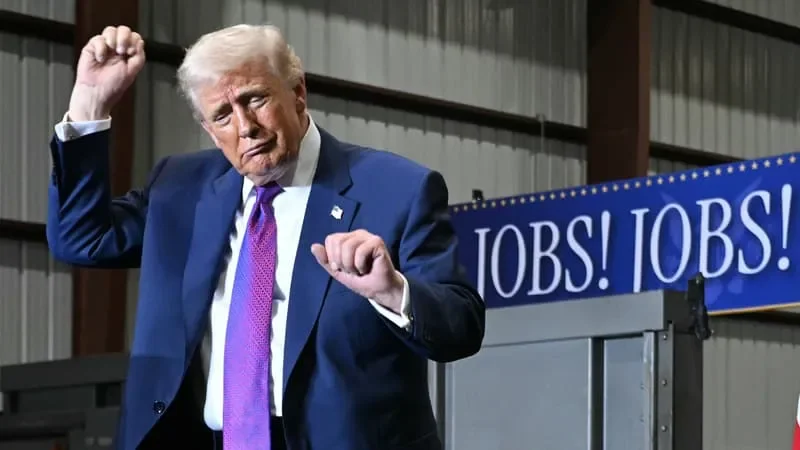
President Trump has expressed public frustration regarding the event’s premature conclusion, stating he "fought like hell to stay" before security overruled his wishes. The administration is now grappling with the optics of the event, which marked his first attendance at the Correspondents' Dinner during his current term.
"The president said he would work on the review with the top Democrat on the panel… who is in the line of presidential succession if the president, vice president and House speaker become incapacitated."
Contextual Vulnerability
The shooting highlights the difficulty of managing National Security at non-government, public-facing venues. The United States Secret Service holds primary jurisdiction for protecting the President at all high-risk events.
Read More: Acting DNI Pulte Fires Dozens of Intelligence Officials Starting Thursday
Upcoming scheduling adds pressure to this review:
World Cup attendance plans.
Events marking the 250th anniversary of the United States.
Future high-profile public appearances, including an unconventional UFC fight proposed for the White House grounds.
Current discussions between the Executive Branch and legislative oversight panels are expected to yield tighter restricted zones for all future public-facing engagements involving the President and senior cabinet members.