Google officially unveiled Wear OS 7 during the I/O 2026 developer conference. Built upon the foundation of Android 17, the platform functions primarily as an extension of Google’s broader artificial intelligence infrastructure rather than a standalone interface upgrade.
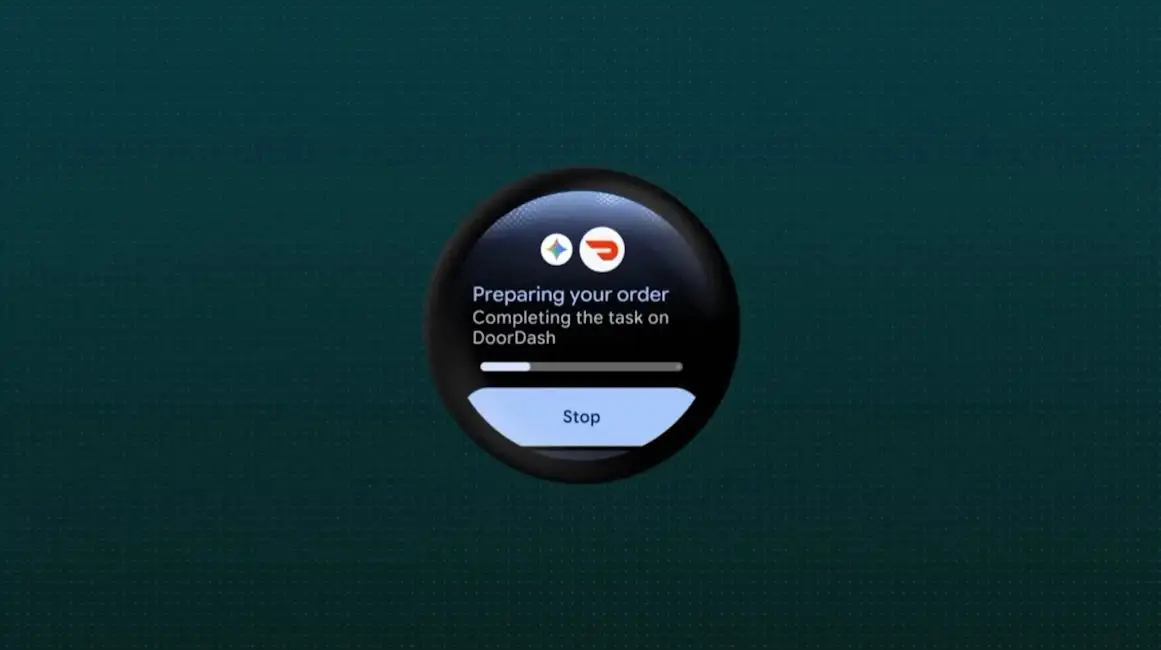
The core technical advancement is the integration of "Gemini Intelligence" and a shift toward agentic automation, intended to transition the smartwatch from a passive notification relay to a proactive, task-oriented device.
Functional Adjustments and System Integration
The update emphasizes parity with mobile Android standards, adopting features that prioritize rapid, glanceable interaction:
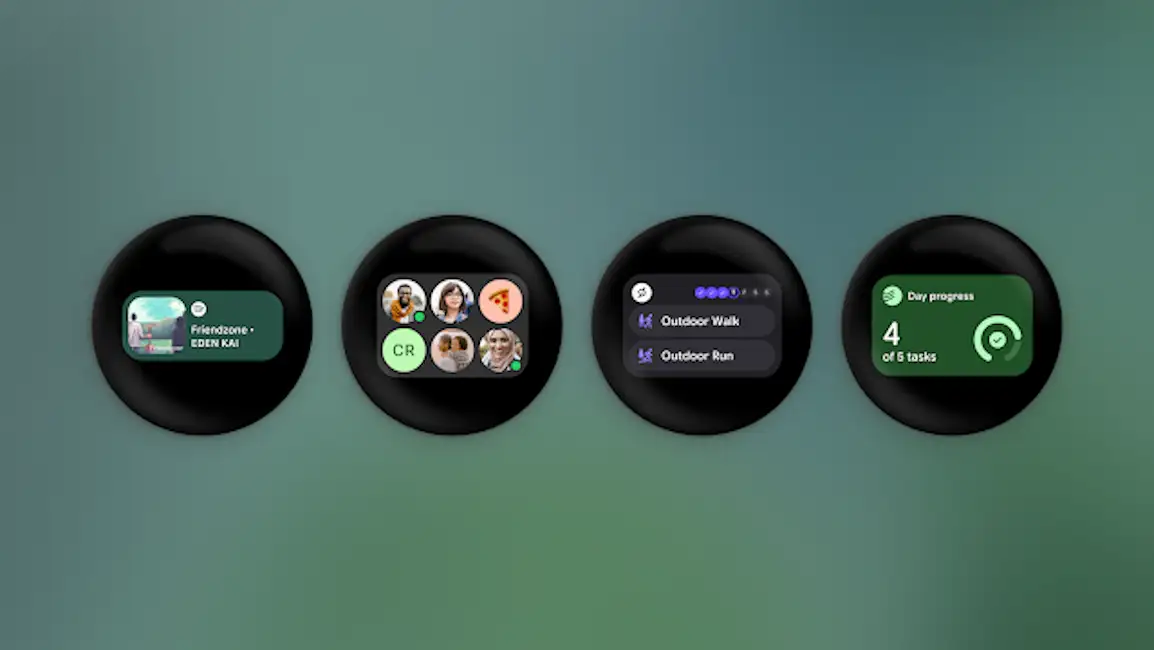
Live Updates: Borrowed from the mobile ecosystem, this system permits apps to stream real-time data directly to the watch face, reducing the need for full-app launches.
Wear Widgets: These modular elements are designed to supplant traditional, rigid full-screen "tiles," offering users more flexible customization of their home screen.
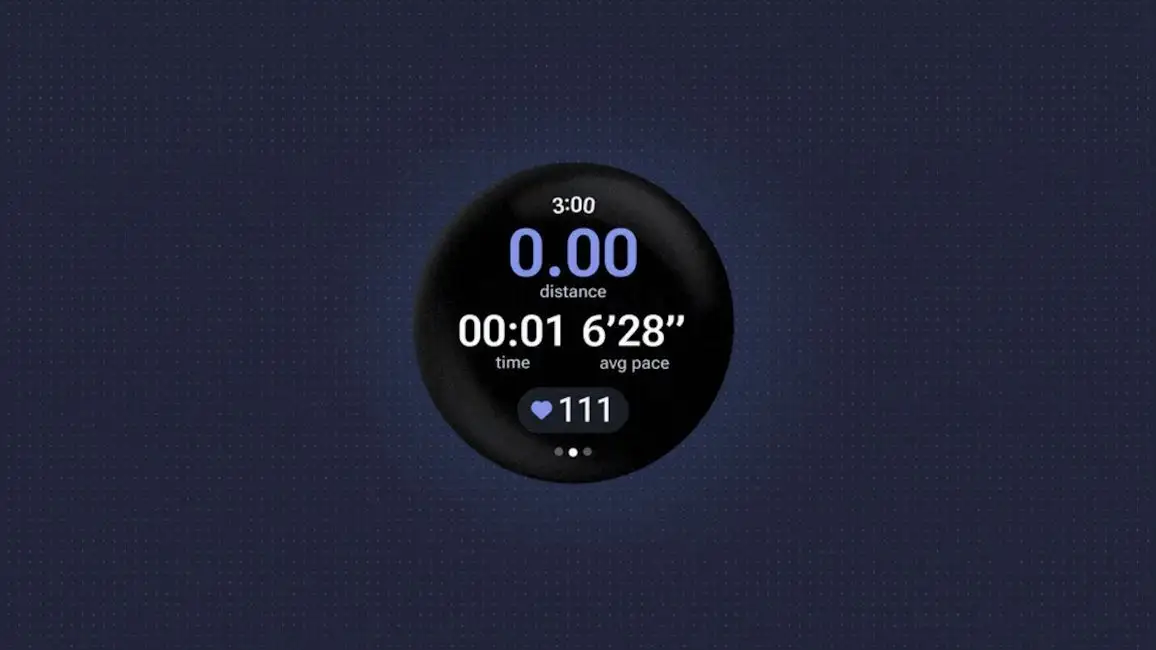
Wear Workout Tracker: A standardized, system-level framework for fitness data that aims to create consistent tracking across various third-party health applications.
Power Efficiency: Google reports an estimated 10% increase in battery life for devices upgrading from Wear OS 6, largely due to unspecified system-level power optimizations.
| Feature | Primary Function |
|---|---|
| Gemini Intelligence | Agentic AI automation & proactive voice assistance |
| Live Updates | Real-time, glanceable information streams |
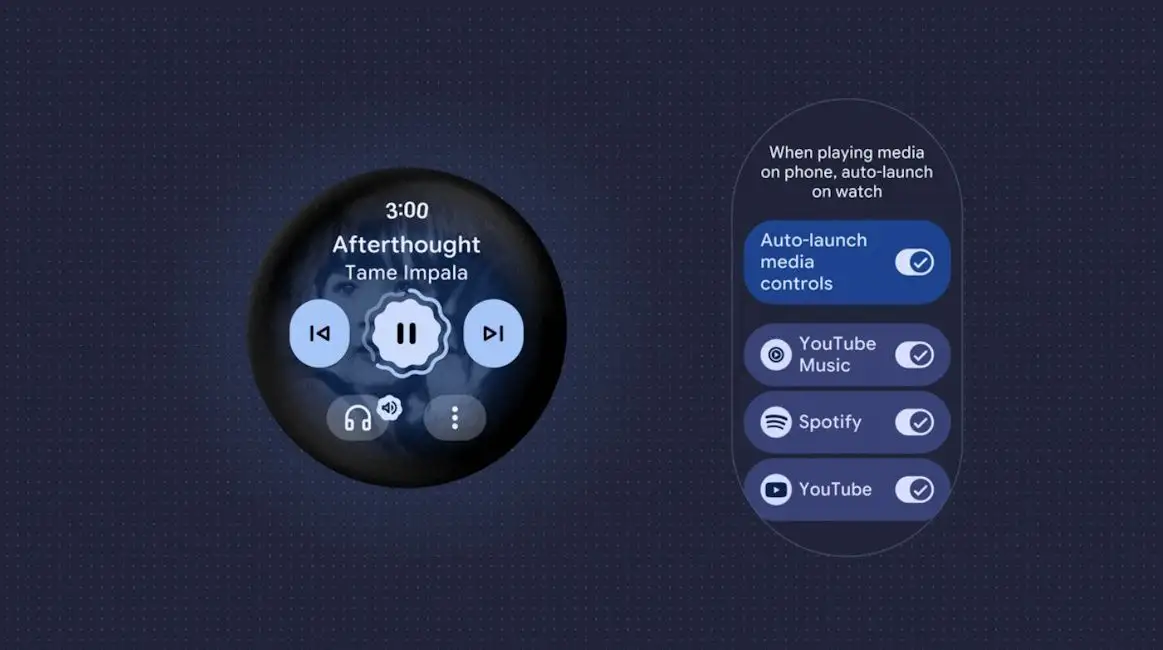
| Media Controls | Per-app auto-launch and Remote Output switching |
| Watch Face Format 5 | Advanced text alignment and auto-sizing tools |
Developmental Context
The rollout strategy for Wear OS 7 suggests a bifurcated path for hardware. While all compatible watches will receive the underlying operating system updates—including the interface tweaks and efficiency gains—advanced Gemini Intelligence features will be restricted to "select" (presumably newer) hardware.

This move mirrors a wider industry trend where the physical watch is increasingly treated as a peripheral for high-level Artificial Intelligence services rather than a primary computing device. Developers currently have access to the platform via the Wear OS 7 Canary Emulator, with a stable consumer release expected to occur later in 2026.
Read More: Chrome mimeHandler API lets extensions handle file types
The software acts as a tether, pulling wearable design closer to the aesthetic and functional specifications of the mobile Android 17 environment. By embedding automation tools directly into the wrist-worn interface, the company is attempting to establish the watch as a fundamental component of its "agentic" vision, where the hardware executes background tasks based on context and biometric input.