Google is preparing to re-enter the wearable tech arena with a new generation of AI-powered smart glasses slated for a 2026 release. This ambitious move follows the troubled debut of the original Google Glass over a decade ago. The company is reportedly developing two distinct models: one focused on screen-free audio assistance and another featuring an integrated in-lens display. These devices are intended to run on Android XR, Google's operating system for mixed-reality hardware, and aim to provide users with seamless interaction with AI capabilities, notably Google's own Gemini chatbot.
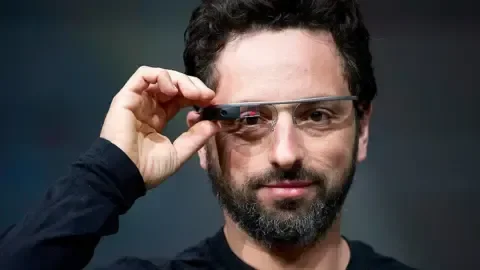
The core of this new venture appears to be leveraging AI to make the glasses a more integral, yet less obtrusive, part of daily life, moving beyond the novelty of the initial Glass product.

The new spectacles are designed to offer functionalities such as turn-by-turn navigation and real-time translation captions, all displayed privately within the user's field of vision. Reports indicate a 70-degree field of view and 'optical see-through technology' that layers digital information onto the physical world. Beyond the glasses, Google is also working on a wired mixed-reality headset codenamed Project Aura, which promises immersive virtual workspace and entertainment experiences in a portable format.
Read More: Chrome mimeHandler API lets extensions handle file types

The initial foray into smart glasses with Google Glass, launched in 2012, faced significant criticism. Key issues included limited battery life, an uncomfortable design, public confusion about its purpose and implications, and persistent privacy concerns. Google ultimately discontinued the consumer version of Google Glass in 2015. The company claims to have learned from these past shortcomings, with a focus on a more refined aesthetic and improved usability for the upcoming models.

While official pricing details remain undisclosed, the strategy appears to position these new glasses as an alternative to existing offerings, such as Meta's smart glasses. The exact form factor of the 'Google Glass Redux,' as some are calling it, is still somewhat vague, but the emphasis has shifted from simply attaching a 'smartphone onto your face' to making its AI assistant, Gemini, central to the user experience.
Read More: Asus Vivowatch 6 Plus: New watch tracks blood pressure and ECG