Recent reports indicate Meta is reviving its smartwatch project, with proposed launch timelines appearing to fluctuate and a renewed focus on device integration, particularly with its smart glasses and AI initiatives. The company's approach to wearables has seen multiple iterations, suggesting an ongoing effort to establish a cohesive hardware ecosystem. This resurgence follows earlier attempts that were reportedly shelved due to various development challenges and broader company restructuring.
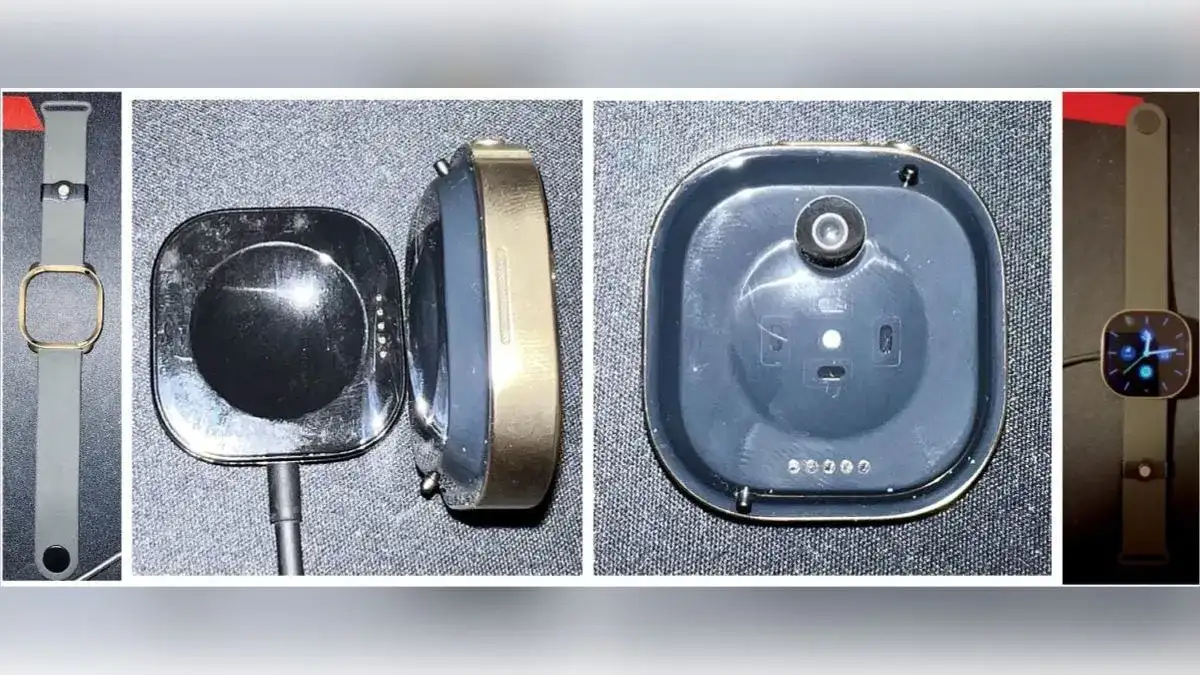
Meta has historically explored smartwatch concepts, with early plans dating back approximately five years. These initial endeavors reportedly included diverse features and a multi-camera approach, but were ultimately halted in 2022 as part of cost-saving measures within its Reality Labs division. The current re-engagement with this project is framed within Meta's broader hardware ambitions, including the development of augmented and mixed-reality glasses. Concerns about overwhelming consumers with too many new devices released too quickly appear to be a factor in the company's reassessment of its product rollout strategies. Meta has also acknowledged supply chain and demand issues affecting other hardware, such as the Ray-Ban Display glasses.
Read More: Chrome mimeHandler API lets extensions handle file types

Key Developments:
Revival of the "Malibu 2" smartwatch project.
Potential launch timed with the Meta Connect conference.
Emphasis on integration with Meta's AI glasses and Quest devices.
Reported partnership with Huaqin Technology for manufacturing.
Recalibration of launch timelines, with some reports suggesting 2026 and others September 2025.
Meta has declined to comment on these developing reports.

Evolving Device Timelines and Strategic Adjustments
Reports regarding Meta's smartwatch project have presented varying timelines for its potential release. Some accounts suggest a debut as early as September 2025, potentially coinciding with the Meta Connect developer conference. Other reports, however, indicate a later launch, targeting 2026. This discrepancy in projected release dates may reflect ongoing strategic adjustments within Meta's hardware development pipeline. The company is reportedly reassessing its product launch schedules to mitigate potential consumer confusion from releasing numerous devices in close succession. This cautious approach is also evident in the pause of international expansion for its Ray-Ban Display glasses due to supply constraints and strong domestic demand.
Reported Launch Windows:
September 2025: Mentioned in connection with the Meta Connect conference.
Later in 2026: Cited in reports detailing a rebooted project timeline.
Features and Integration: A Focus on AI and Ecosystem
The revived smartwatch project, reportedly codenamed "Malibu 2," is expected to incorporate key features aligning with Meta's broader technological trajectory. While specific details remain under wraps, reports highlight the inclusion of health tracking capabilities and a built-in Meta AI assistant. A recurring theme across multiple reports is the potential for a camera integrated into the device, a feature that was also part of earlier smartwatch concepts but faced development hurdles. This camera functionality, along with AI capabilities, is seen as a way to foster deeper integration between Meta's AI advancements, its wearable hardware, and its immersive product lineup, including smart glasses and Quest headsets. The device is positioned not just as a standalone wearable but as a complementary component within a larger Meta hardware ecosystem.
Read More: Asus Vivowatch 6 Plus: New watch tracks blood pressure and ECG
Anticipated Features:
Health tracking.
Built-in Meta AI assistant.
Integrated camera(s) (potentially dual-camera system).
Possible neural interface for wrist-movement commands.
Project History and Development Cycles
Meta's pursuit of a smartwatch has followed a protracted and cyclical path. The initial smartwatch project was reportedly conceived approximately five years ago, with various iterations explored, including plans for multi-camera configurations. This early effort was ultimately discontinued in 2022 amidst wider spending cutbacks in the Reality Labs division. The current revival suggests a renewed commitment to wearable technology, but the project's history of cancellation and resurgence raises questions about its developmental trajectory and the challenges that may have influenced past decisions. The original project reportedly encountered significant obstacles, particularly concerning its camera system and its interference with experimental neural interface technologies.
Read More: BEREC Asks for Mobile Network API Ideas from Developers
Key Historical Points:
Initial exploration: ~5 years ago.
Project shelving: 2022, linked to Reality Labs budget cuts.
Challenges: Camera system interference with neural interface tech.
Current revival: Indicates renewed strategic interest.
Strategic Positioning and Competitive Landscape
The renewed focus on a smartwatch with integrated cameras and AI positions Meta within a dynamic wearable technology market. The device is reportedly designed to augment Meta's existing and upcoming smart glasses and VR headsets, aiming to create a more interconnected user experience. This strategy suggests a departure from the health and notification-centric approach of many established smartwatches, leaning instead towards an experience centered on interacting with the surrounding environment and leveraging AI capabilities. While Meta has not publicly confirmed these plans, the repeated reports of a revived smartwatch project underscore the company's persistent interest in expanding its hardware footprint beyond VR and AR devices. The integration of AI and advanced camera features is intended to differentiate Meta's offering and strengthen its position within the competitive landscape of connected devices.
Differentiating Factors:
Emphasis on environmental interaction via cameras.
Deep integration with Meta's AI and smart glasses.
Potential for novel input methods like wrist-movement translation.
Expert Perspectives and Industry Context
Industry observers note that Meta's continued investment in wearable hardware, including its smartwatches and AR/MR glasses, signifies a long-term commitment to building a comprehensive ecosystem. The revival of the smartwatch project, particularly with its focus on AI and camera integration, reflects a broader industry trend towards more intelligent and context-aware wearables. However, the project's history of cancellation and the perceived complexity of integrating advanced features like cameras without compromising user experience or other technological goals, remain points of attention. The company's ability to navigate these technical and strategic challenges will be crucial in determining the success of its latest smartwatch endeavor.
Read More: Wear OS 7 Update: New AI Features and Better Battery Life
Industry Observations:
Meta's consistent focus on a unified hardware ecosystem.
Industry shift towards AI-enhanced wearables.
Past developmental hurdles as a cautionary note.
Conclusion and Future Outlook
The ongoing reports of Meta reviving its smartwatch project, potentially featuring integrated cameras and AI capabilities, indicate a persistent strategic objective to expand its wearable hardware offerings. While the projected launch timelines vary, with some suggesting a September 2025 debut and others pointing to 2026, the recurring themes of AI integration, complementary device functionality, and potential manufacturing partnerships provide a consistent narrative. The project's historical challenges, including its previous cancellation and reported technical difficulties, suggest that development is likely undergoing significant reassessment and refinement. Meta's decision to re-engage with this endeavor, alongside its ongoing work in AR and MR glasses, underscores its ambition to forge a more integrated hardware ecosystem. The success of this revived smartwatch project will likely depend on its ability to effectively combine novel features with a coherent user experience and to overcome the developmental hurdles that previously impeded its progress.
Sources:
Read More: Confidential Computing Security Flaw Found on 4 April 2026
The Economic Times: Meta reboots smartwatch plan, aims debut in 2026: Report - The Information reports
Published: July 30, 2025
Context: Reports on Meta's revived "Malibu 2" smartwatch project, planned health tracking, AI assistant, and a 2026 release, referencing concerns about launching too many devices and pausing Ray-Ban glasses expansion.
Gadgets 360: Meta Is Said to Have Revived Its 'Smartwatch With Camera' Project
Published: July 29, 2025
Context: Discusses Meta reviving its smartwatch project, potentially featuring dual cameras, timed with the Meta Connect conference in September.
Business Standard: Meta plans to launch a smartwatch with built-in camera in September: Report
Published: July 29, 2025
Context: Reports Meta is reviving its smartwatch project with a camera and AI, aiming to complement smart glasses and Quest devices, with a potential September launch tied to Meta Connect.
Tom's Guide: Meta's smartwatch with camera is reportedly being revived — and it could launch this September to work alongside new smart glasses
Published: July 29, 2025
Context: Reports Meta is reviving its smartwatch project, which includes a camera, and could launch in September to complement new smart glasses.
Wareable: Meta's camera-equipped smartwatch plans are back from the dead—again
Published: July 29, 2025
Context: Suggests Meta's long-rumored smartwatch project has been revived, possibly with a camera, and could be revealed at Meta Connect, positioning it as a companion device for rumored 'Celeste' smart glasses.
Link: https://www.wareable.com/smartwatches/meta-camera-smartwatch-project-milan-2025-update
TechStory: Meta’s Smartwatch Project Resurfaces: Cameras, AI, and a 2025 Launch in Sight
Published: July 30, 2025
Context: Reports on Meta's revived smartwatch project, possibly with dual cameras, AI, and a potential neural interface, manufactured by Huaqin Technology, with a possible 2025 launch aligning with Meta Connect.
Link: https://techstory.in/metas-smartwatch-project-resurfaces-cameras-ai-and-a-2025-launch-in-sight/
The Straitstimes: Meta reboots smartwatch plan, aims debut in 2026: Report
Published: July 30, 2025 (Note: "6 hours ago" relative to publication, which is after other articles)
Context: Reports Meta is reviving its "Malibu 2" smartwatch project for a 2026 release, featuring health tracking and a Meta AI assistant, referencing similar points to The Economic Times report.
9to5Google: Meta might be making another smartwatch, and it still has a camera
Published: July 28, 2025
Context: Reports Meta is potentially reviving its smartwatch project, which still includes a camera, and could be shown at Meta Connect in September, focusing on complementing smart glasses and Quest headsets.
Link: https://9to5google.com/2025/07/28/meta-smartwatch-plans-revived/
Android Authority: Revived, canceled, and back again: Meta's smartwatch ambitions may not be dead yet
Published: July 28, 2025
Context: Discusses Meta potentially reviving its smartwatch project, which might be revealed in September at Meta Connect, and mentions a partnership with Huaqin for manufacturing.
Link: https://www.androidauthority.com/meta-smartwatch-project-revived-3581631/