A storm is brewing over England's water industry, where executive bonuses continue to be a point of fierce contention. While new laws aim to curb payouts to bosses of underperforming companies, critical questions remain about loopholes and the true accountability for years of environmental neglect.*
The spectacle of sewage-laden rivers and seas has ignited public fury, and rightly so. For too long, water company executives have enjoyed lucrative bonuses while the very infrastructure they manage crumbles, and the environment suffers. Now, as the government attempts to impose stricter controls, it's our job as watchful citizens to scrutinize whether these measures are truly effective or merely a superficial fix.
A Tide of Troubles: Decades of Neglect and Mounting Scandals
The current crisis isn't an overnight disaster. It's the culmination of decades of underinvestment, privatization strategies prioritizing profit over public good, and a regulatory system that has, for a long time, seemed more like a toothless observer than a proactive guardian.
Read More: Plan to Build Big Ice Wall to Save Doomsday Glacier
The Privatization Era: Since the privatization of water services, the focus has often shifted from public service to shareholder returns. This has led to a pattern of underinvestment in crucial infrastructure, leaving pipes and treatment plants in a state of disrepair.
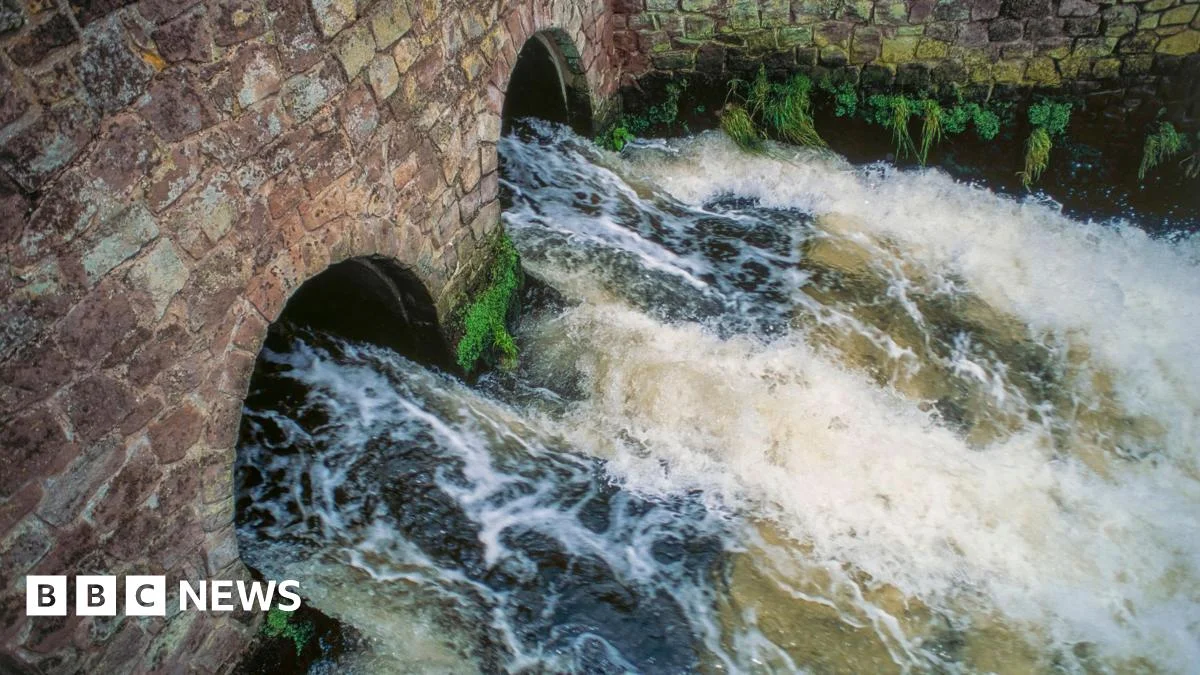
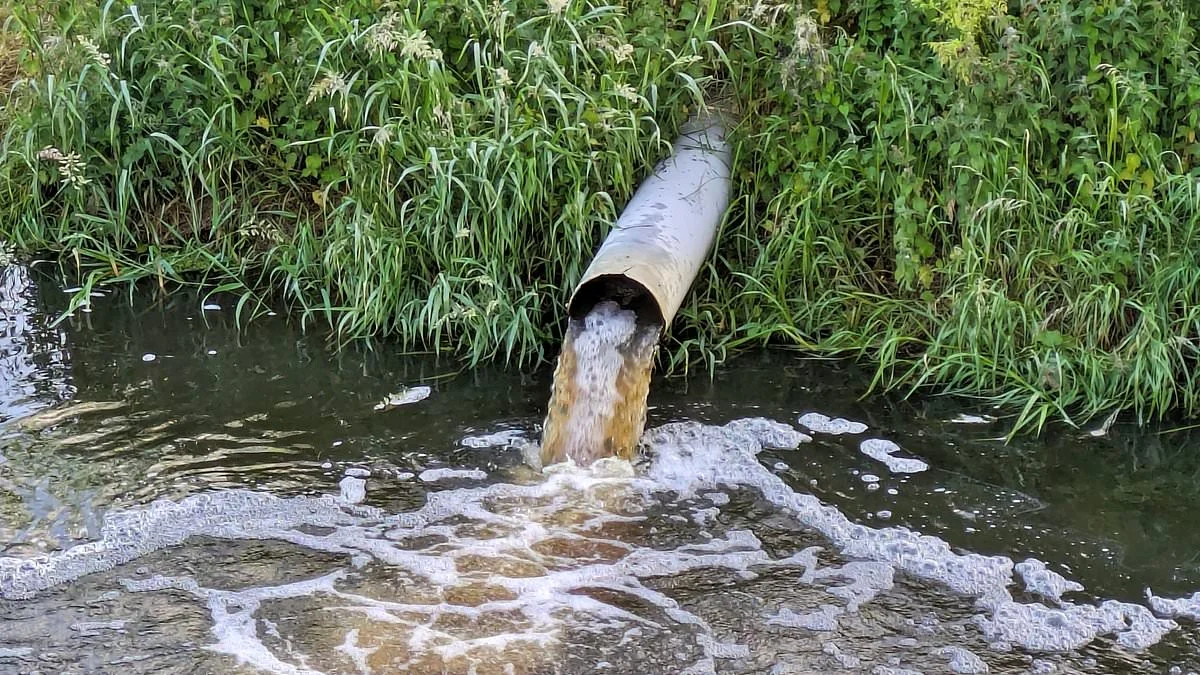
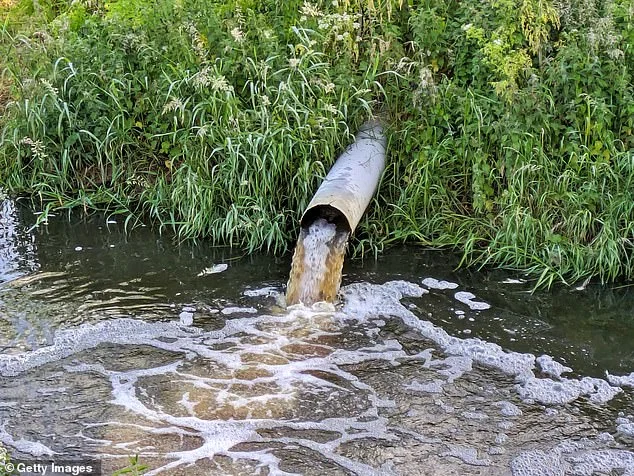
Sewage Overflows as the Norm: For years, water companies have been releasing untreated sewage into our rivers and seas, often under the guise of "storm overflows" or "dry weather flow" events. This practice has become alarmingly common, with reports indicating a 10-year high in pollution incidents as recently as April 2025.
The Great Escape: Executive Pay: Despite this environmental degradation, many executive leaders have continued to receive substantial bonuses. This disconnect has fueled public anger, creating a narrative of corporate greed at the expense of environmental health and customer service.
Past Incidents:
In February 2024, it was reported that five out of eleven water companies paid out bonuses to senior executives despite illegal sewage spills.
Just last year, Wessex Water was fined £500,000 for sewage that killed thousands of fish, a stark reminder of the consequences of their actions.
Yorkshire Water faced an enforcement package of £40 million following a wastewater investigation by Ofwat.
Read More: UK Economy Grew a Little at End of 2025
This historical backdrop is crucial. It sets the stage for the recent legislative push and helps us understand why the public is so skeptical about the effectiveness of new rules.
The New Law: A Shield or a Smokescreen?
In response to overwhelming public pressure and widespread outrage, new legislation has been introduced to curb executive bonuses in water companies that fail to meet environmental and customer standards. The Water Act (and its precursor, the Water (Special Measures) Bill) aims to impose a direct link between performance and pay.
"Government bans unfair bonuses for water companies that don't meet high standards." (Article 1)
"Ministers are to ban bonuses for water company bosses in England and Wales who fail to prevent illegal sewage spills that pollute rivers, lakes and seas." (Article 5)
The new rules, primarily enacted around June 2025, specifically target six water companies:
Read More: Cartoonist Rohan Chakravarty Uses Funny Pictures to Teach About Nature
Anglian Water
Southern Water
Thames Water
United Utilities
Wessex Water
Yorkshire Water
These companies are now prohibited from paying bonuses to their Chief Executive Officers (CEOs) and Chief Financial Officers (CFOs) if they fail to meet stringent environmental, customer service, or financial resilience standards. The regulator, Ofwat, is empowered to retrospectively ban these payments.
What constitutes a "serious breach" or "Category 1 incident" is critical here. For instance, Thames Water was noted for six Category 1 incidents, alongside breaches in financial resilience. Yorkshire Water faced a ban due to an S94 breach.
The devil, as always, is in the details. While the ban applies to CEOs and CFOs, what about other senior executives? Article 2 highlights that even in troubled companies like Thames Water, bonuses could still be paid to other executives, suggesting a potential for sidestepping the spirit of the law.
The Loopholes: Where Money Still Flows
Despite the legislative efforts, a sense of unease persists. Investigative journalism thrives on uncovering hidden truths, and in this case, the potential for loopholes is a significant concern.
Read More: Sir Jim Ratcliffe Says Sorry for Immigration Comments
Selective Application: The ban primarily targets CEOs and CFOs. While these are high-profile roles, questions arise about the accountability of other C-suite members or senior management who also influence company decisions and performance. Article 6 points out that at Anglian Water, the CEO is banned but the CFO is not, and at Wessex Water, the CFO is banned but the CEO is exempt. This selective application raises concerns about fairness and comprehensive accountability.
The "Offshore Company" Conundrum: Ofwat itself acknowledged that payments made via an offshore company by Yorkshire Water prompted changes to reporting rules. This suggests a historical willingness by some companies to explore complex financial structures to potentially circumvent regulations or public scrutiny. Have these structures been fully addressed by the new legislation?
"Performance-Related" vs. Other Bonuses: Article 4 hints at a major potential loophole: "any water company that breaches pollution rules could continue to pay out millions in bonuses to their executives, as long as the payments are not labelled performance related." This implies a potential semantic game where bonuses might be re-categorized to avoid the ban. Is the government's definition of "performance-related pay" robust enough to catch these evasions?
The Timing of the Ban: Article 3 states the new measures under the Water Act came into force on a Friday in June 2025. Article 1 mentions the ban applies "with immediate effect." However, Article 2 reports on bonuses being blocked this year (November 2025) based on rules introduced in June. This temporal aspect is crucial. Are bonuses already paid out for periods predating the legislation being retrospectively clawed back? Or is the ban truly forward-looking, allowing companies to escape consequences for past failures?
| Company | Affected Executives | Reasons for Ban (as stated/implied) | Potential Loopholes/Questions |
|---|---|---|---|
| Anglian Water | CEO | Category 1 incident(s) | CFO not banned; why the distinction? |
| Southern Water | CEO & CFO | Unspecified breaches | What specific breaches triggered the ban for both? |
| Thames Water | CEO & CFO | Multiple Category 1 incidents; financial resilience issues | Were other executives paid bonuses? Were payments structured to bypass the ban? |
| United Utils. | CEO & CFO | Category 1 incident(s) | |
| Wessex Water | CFO | Fined £500k for fish kill; unspecified breaches | CEO exempt; why the distinction? |
| Yorkshire Water | CEO & CFO | S94 Breach; Category 1 incident(s); payments via offshore company | How have offshore payment structures been fully addressed by the new rules? |
Beyond Bonuses: The Threat of Real Consequences
The legislative crackdown extends beyond just blocking bonuses. A significant development is the introduction of harsher penalties for water company executives, including potential jail time. The Water (Special Measures) Bill, and subsequent legislation, empowers regulators like Ofwat and the Environment Agency with new teeth.
Read More: UK Winters Are Getting Wetter, Scientists Say
"Water company bosses could face two years in prison and be banned from taking bonuses as Labour launches a crackdown on England's chemical and manure-infested waters." (Article 9)
"Maximum sentence for covering up this information or failing to release it would be two years." (Article 13)
This is a dramatic shift from the past, where fines often seemed like a mere cost of doing business for these profitable corporations.
Obstruction and Non-Cooperation: Executives can face up to two years in prison if they fail to cooperate with or obstruct investigations by the Environment Agency and Drinking Water Inspectorate.
Forced Enforcement Costs: Companies under investigation may be forced to pay the enforcement costs of these agencies.
Transparency Mandates: New laws aim to ensure real-time monitoring and public reporting of sewage overflows.
However, even these severe measures warrant scrutiny.
Read More: Arc Raiders Game Sells 14 Million Copies, Much More Than Expected
Will these new powers be vigorously enforced, or will regulators continue to be hampered by bureaucracy or political interference?
The focus on obstruction is important, but does it sufficiently address the root cause of repeated environmental failures?
As Article 13 notes, some campaigners, like solicitor Guy Linley-Adams, argue that the government is not using existing powers effectively to force regulators to crack down. Is this new legislation truly transformative, or an evolution of existing, underutilized tools?
The Bigger Picture: Public Trust and the Future of Water
The current debate over executive bonuses is symptomatic of a deeper malaise: a crisis of trust in the water industry. For years, customers have seen their bills rise, infrastructure deteriorate, and pollution incidents escalate.

"Water suppliers have routinely defended executive bonuses and pay on the grounds that awards are necessary to attract and retain the best talent to lead complex, multi-stakeholder organisations." (Article 7)
Read More: Study Says UK Electric Cars and Heat Pumps Don't Save Carbon Yet
This justification rings hollow when contrasted with the visible damage to our environment. The sentiment that water companies are "governed for public benefit" rather than "pollution for profit" is growing louder, as highlighted by figures like James Wallace (Article 6).
Customer Bills: Customers are facing rising bills, partly to fund essential investments in crumbling infrastructure. (Article 3)
Public Outrage: Widespread public fury over sewage dumping has been a key driver for legislative change. (Article 4)
Long-Term Vision: While the new laws are a step, they may not solve the underlying issues. Sir Jon is expected to publish recommendations for reforming water regulation to attract "long-term, low-risk, low-return investors." (Article 7)
Ultimately, the effectiveness of these new bonus bans and the threat of prison will be measured not by legislative pronouncements, but by the tangible improvement of our rivers, lakes, and seas.
Where Do We Go From Here?
The crackdown on water company executive bonuses is a significant development, born out of years of neglect and public pressure. However, as critical journalists, we must remain vigilant.
Read More: Sir Jim Ratcliffe Says Sorry for Immigration Words
Are these bans truly comprehensive? We need to ensure all senior executives, not just CEOs and CFOs, are held accountable.
Are the loopholes being exploited? The government and Ofwat must actively monitor and close any avenues for companies to circumvent the spirit of these new regulations, particularly regarding bonus re-categorization.
Will enforcement be robust? The threat of prison is potent, but only if regulators are empowered and willing to use these powers decisively.
Is this enough? While bonus bans and prison threats address executive conduct, the fundamental issue of underinvestment and the profit-driven model needs a deeper, more systemic solution. Is refinancing and governing water companies for public benefit the ultimate answer, as suggested by advocates?
The coming months and years will reveal whether these measures are a genuine turning point for our water industry or simply another chapter in a long and disappointing story. The public deserves more than just promises; they deserve clean water and a healthy environment. We will continue to watch.
Sources:
Government. (2025, June 6). Government's new law sees unfair bonuses banned for six water companies with immediate effect. gov.uk. https://www.gov.uk/government/news/governments-new-law-sees-unfair-bonuses-banned-for-six-water-companies-with-immediate-effect
The Guardian. (2025, November 5). Bosses at six water firms had £4m in bonuses blocked under new rules, Ofwat says. https://www.theguardian.com/business/2025/nov/05/bosses-at-six-water-firms-had-bonuses-blocked-under-new-rules-ofwat-says
BBC News. (2025, June 6). Bosses' bonuses banned at six water companies. bbc.co.uk. https://www.bbc.co.uk/news/articles/cdxvpr4qkyxo
The Guardian. (2025, July 20). ‘Outwitted’: have water companies managed to sidestep Labour’s bonus ban? https://www.theguardian.com/environment/2025/jul/20/have-water-companies-managed-to-sidestep-labour-bonus-ban
The Guardian. (2024, February 11). Water bosses in England and Wales face bonus bans for illegal sewage discharges. https://www.theguardian.com/business/2024/feb/11/water-bosses-face-bonus-bans-if-their-companies-discharge-sewage-illegally
Daily Mail. (2025, June 6). Water companies BANNED from paying bosses bonuses for sewage problems. dailymail.co.uk. https://www.dailymail.co.uk/news/article-14786439/Six-water-companies-BANNED-paying-millions-bonuses-bosses-failing-tackle-sewage-pollution.html
Sky News. (2025, June 6). Bonuses for water bosses banned - as six firms found guilty of most serious pollution breaches. news.sky.com. https://news.sky.com/story/bonuses-for-water-bosses-end-as-six-firms-found-guilty-of-most-serious-pollution-breaches-13379668
The Guardian. (2025, June 5). Bonuses banned for 10 English water bosses over sewage pollution. https://www.theguardian.com/business/2025/jun/05/bonuses-banned-for-10-english-water-bosses-over-sewage-pollution
LBC. (2024, September 4). Water company bosses could face jail time in new government crackdown. lbc.co.uk. https://www.lbc.co.uk/news/water-company-bosses-could-face-jail-time-in-new-government-crackdown/
The Guardian. (2025, March 25). Some water boss bonuses in England could be banned, says Ofwat. https://www.theguardian.com/environment/2025/mar/25/some-water-boss-bonuses-in-england-could-be-banned-says-ofwat
Sky News. (Date not specified, likely early 2025 based on context). Water company bosses could face new prison time in Labour crackdown on sewage infested rivers, lakes and seas. news.sky.com. https://news.sky.com/story/water-company-bosses-could-face-new-prison-time-in-labour-crackdown-on-sewage-infested-rivers-lakes-and-seas-13209563
The National. (2024, September 4). Water bosses could face up to two years in jail as Government launches crackdown. thenational.scot. https://www.thenational.scot/news/national/24563959.water-bosses-face-two-years-jail-government-launches-crackdown/
The Guardian. (2024, September 4). Water bosses could be jailed if they cover up sewage dumping under new law. https://www.theguardian.com/environment/article/2024/sep/04/water-bosses-could-be-jailed-cover-up-sewage-dumping-law
Grahame Morris MP. (2024, September 6). Labour introduces landmark legislation to crack down on bosses polluting waterways. https://www.grahamemorrismp.co.uk/2024/09/06/labour-introduces-landmark-legislation-to-crack-down-on-bosses-polluting-waterways/
LBC. (2024, February 11). Water company bosses face bonus ban over illegal sewage spills which taint British beaches and rivers. lbc.co.uk. https://www.lbc.co.uk/news/water-bosses-bonus-block-sewage-spills/
Smart Water Magazine. (2025, April 25). UK water bosses can now face prison under new crackdown on illegal sewage pollution. smartwatermagazine.com. https://smartwatermagazine.com/news/smart-water-magazine/uk-water-bosses-can-now-face-prison-under-new-crackdown-illegal-sewage