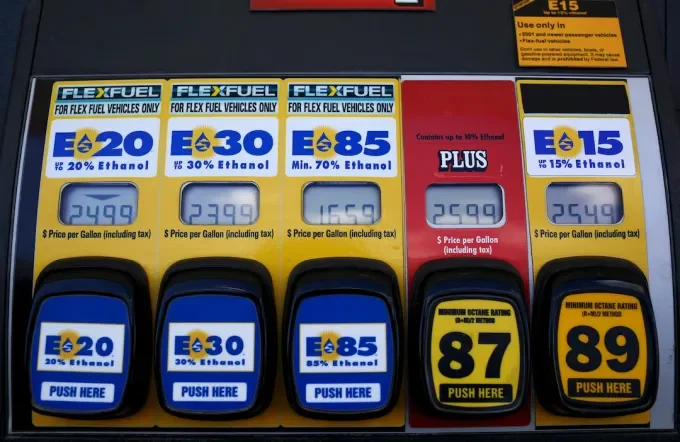
Effective June 1, 2026, Vietnam will transition to the nationwide distribution of E10 biofuel, a mixture of gasoline containing 10% ethanol. This significant policy shift, announced by the Ministry of Industry and Trade (MoIT), mandates the conversion of all unleaded gasoline to E10. The existing E5 RON92 blend, with 5% ethanol, will remain available until the end of 2030.
The nationwide implementation of E10 is presented as a strategic move aligning with Vietnam's broader "green growth strategy" and its commitment to reducing greenhouse gas emissions. This transition aims to enhance energy security, achieve environmental objectives, and safeguard consumer interests.

Biofuel's Proposed Environmental and Economic Upsides
Proponents of E10 suggest it offers environmental benefits by creating a "sustainable carbon cycle." Ethanol, derived from renewable resources such as cassava, sugarcane, and corn, burns to release carbon dioxide. However, this CO2 release is theoretically offset by the amount absorbed by the source plants during their growth, thereby mitigating net emissions. Studies, including those conducted by Hanoi University of Science and Technology in collaboration with Toyota and Vietnam National Petroleum Corporation, have indicated positive environmental and technical indicators for E10. A Toyota Corolla Cross test, for instance, reportedly showed favorable results when using the E10 blend.
Read More: Solaris Energy SEI Stock Price Forecast Reaches $91.98 by July 2027
Beyond environmental claims, the integration of biofuels is positioned to add value to Vietnam's agricultural sector and foster growth within the biofuel industry. The MoIT views this as an opportunity to cultivate international cooperation, potentially positioning Vietnam as a key player in the global biofuel supply chain.

Implementation Hurdles and Future Trajectory
Despite the official rollout dates, the path to widespread E10 adoption is not without its acknowledged challenges. Minister Nguyen Hong Dien has openly stated that replacing fossil fuels with biofuels faces "significant technological, policy, and market challenges."
Recent policy directives indicate a structured approach to this transition. Initially, a pilot program for E10 sales was conducted in three major cities—Ho Chi Minh City, Hanoi, and Hai Phong—from August 1, 2025. This pilot involved key entities like the Vietnam National Petroleum Group (Petrolimex) and Petrovietnam Oil Corporation (PVOIL) distributing E10 at select retail stations.
Read More: Summer AC Settings: Save Money by Raising Thermostat

Looking ahead, Vietnam has signaled intentions to potentially increase the ethanol blend further, with plans to mandate E15 from 2031. This suggests a long-term vision for deepening the integration of biofuels into the national energy mix.
Ethanol Production Capacity and Supply Chain Considerations
The country's current ethanol production capacity appears to be a point of focus. With six existing ethanol production facilities, the total annual capacity is around 500,000 cubic meters. However, reports indicate that only two facilities are currently operational, collectively producing approximately 100,000 cubic meters per year. This disparity raises questions about the adequacy of domestic supply to meet the nationwide demand for E10.
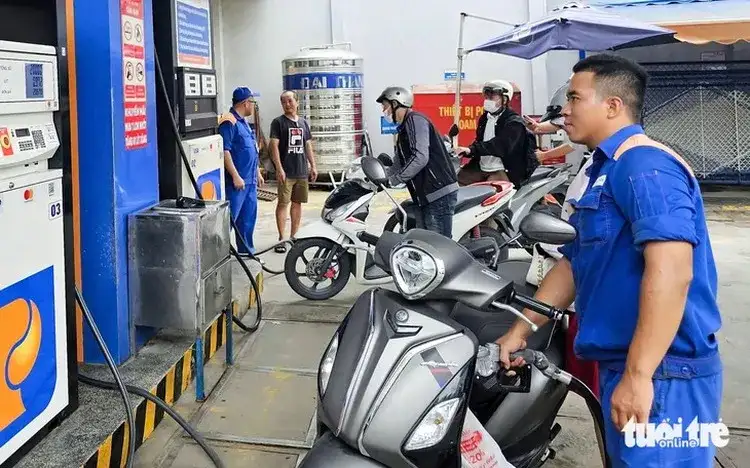
Deputy Prime Minister Bui Thanh Son has reportedly instructed the MoIT to urgently address outstanding issues related to biofuel production, blending, and distribution, ensuring both feasibility and consistency. This includes evaluating domestic and import capacity for ethanol, assessing associated costs, and analyzing the potential impact on E10 gasoline prices. The Ministry is also tasked with reviewing the blending capabilities of licensed fuel enterprises and clarifying responsibilities in the event of supply shortages.
Read More: Alberta Pipeline Deal: Federal Emissions Cap Suspended
Background: A Phased Approach to Biofuels
The push for E10 represents a continuation of Vietnam's engagement with biofuels. A previous directive, Decision 53, is acknowledged to have laid a foundation for biofuels over the past decade, though it has reportedly exhibited shortcomings as the nation advances its biofuel development. The mandatory conversion to E10 from E5 RON92, while continuing to offer E5 until 2030, suggests a gradual phasing out of lower-ethanol blends. The MoIT retains the prerogative to modify blending ratios and introduce new fuel products as deemed necessary for national energy security, environmental goals, and consumer protection. The use of biodiesel blends, such as B5 and B10, is not currently mandatory for diesel engines.