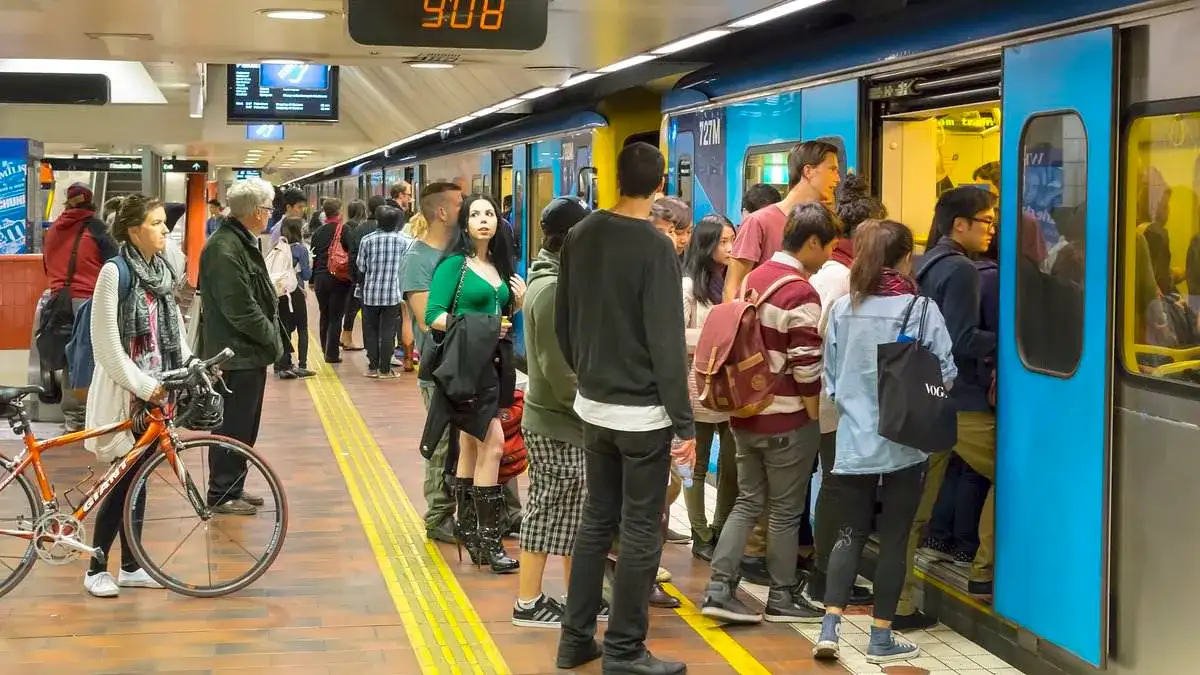
VICTORIA WILL CONTINUE ITS FREE PUBLIC TRANSPORT INITIATIVE THROUGH MAY, FOLLOWING THIS WITH HALF-PRICE FARES UNTIL YEAR-END. The government is extending the program, initially slated to end in April, to address ongoing fuel price pressures. This move represents a significant financial commitment, estimated at $432 million. Data indicates a roughly 10% increase in public transport usage since fares were initially waived earlier in April.
Reduced Fares Transition
Following the free travel period in May, commuters in Victoria will transition to half-price fares from June 1 until December 31. This phased approach aims to provide continued relief while eventually reintroducing some revenue.
Broader Context: State Responses to Fuel Crisis
The Victorian government's decision to extend free public transport places it alongside other states that have implemented similar measures to combat soaring fuel costs.
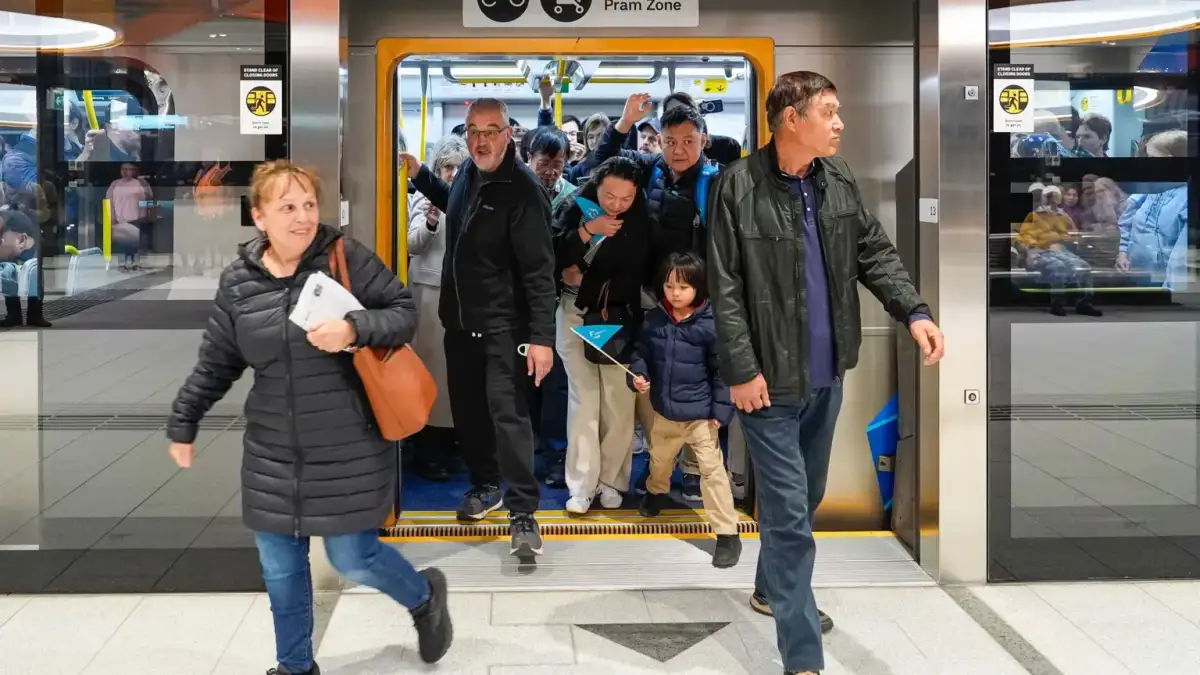
Tasmania also introduced free public transport, initially for April and then extended until the end of June.
Western Australia has also seen reduced fares, though details on a free period are less explicit, with Premier Roger Cook acknowledging the cost of such initiatives.
Conversely, several other states have declined to follow suit:
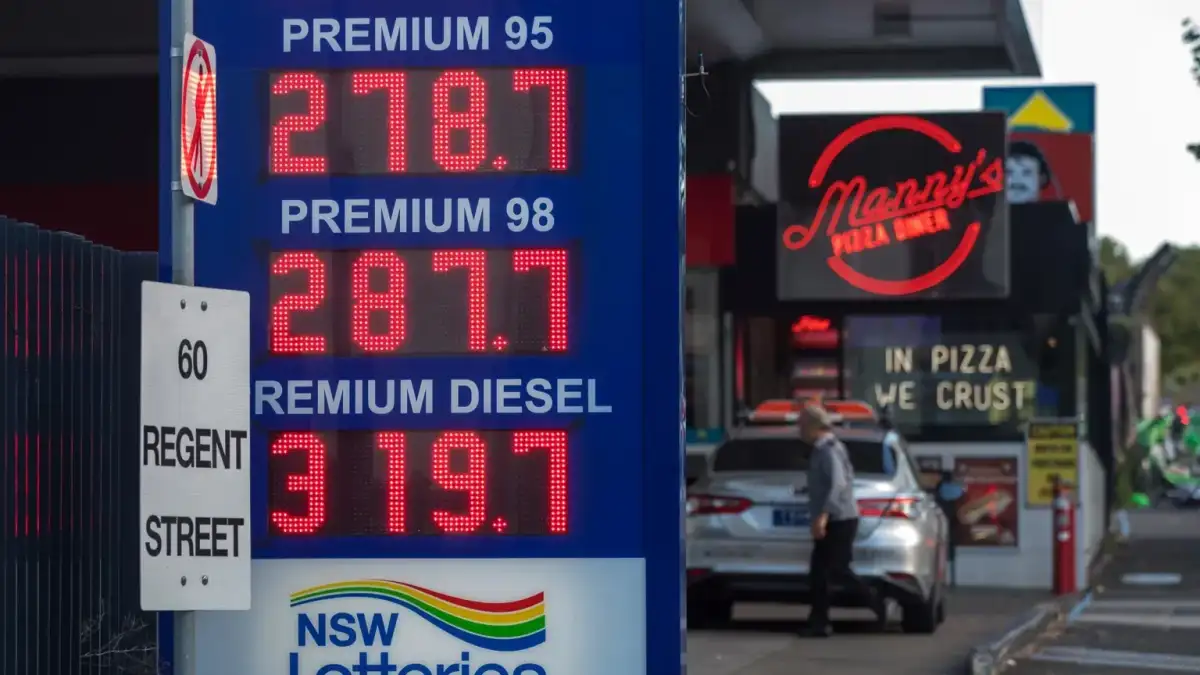
New South Wales (NSW) has explicitly ruled out free public transport, with Transport Minister John Graham citing the need to reinvest fare revenue back into the system.
Queensland and South Australia have also stated they do not plan to implement fare-free periods.
Drivers Behind the Policy Shift
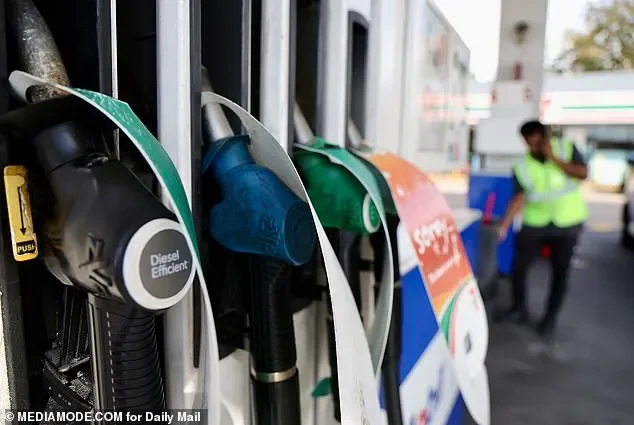
The surge in fuel prices, largely attributed to the conflict in the Middle East, has prompted these governmental responses. The Victorian government, under Premier Jacinta Allan, first announced free travel in late March, aiming to alleviate cost-of-living pressures and encourage a shift away from private vehicles. The Victorian Farmers Federation had previously urged for free public transport to keep essential workers' vehicles on the road.
Read More: Elizabeth Line Helps Londoners During Tube Strike on July 6
Criticisms and Capacity Concerns
Despite the public uptake, questions have been raised about the long-term efficacy and practicalities of widespread free public transport.
Some analyses suggest such initiatives might not align with broader economic strategies, such as federal fuel subsidies.
Concerns have been voiced regarding the capacity of existing public transport networks to handle sustained surges in demand. John Hearsch, President of the Rail Futures Institute, noted that Victoria's network "isn't built to sustain a sustained surge in passengers," potentially impacting regional lines and peak-hour travel.
There are also arguments suggesting free public transport could disproportionately benefit wealthier individuals, with proposals put forth to reinvest funds into expanding services in underserved areas.
Federal Government Measures
The federal government has also intervened, announcing a halving of the fuel excise for three months and the axing of the heavy vehicle road user charge, as part of a broader 'National Fuel Security Plan' to address localized fuel supply disruptions.
A Look at Other Jurisdictions
In Canberra, measures have been introduced to effectively halve monthly transport costs for frequent users, prompting increased bus patronage.
Calls for nationwide free public transport have been made, including by ACT Senator David Pocock.
This period of elevated fuel prices has clearly instigated a divergence in policy approaches across Australia's states and territories, with Victoria and Tasmania opting for fare reductions while others maintain existing revenue models.
Read More: Moira Deeming court case stops Liberal Party removal on 7 April 2026