A significant investment in electric buses in Vermont has encountered a major hurdle, with the vehicles proving unable to function in cold temperatures. This failure has disrupted public transit services and led to criticism of the state's green initiatives. The situation highlights challenges in deploying new technology in diverse climates and raises questions about the financial prudence of the project.
Background of the Electric Bus Initiative
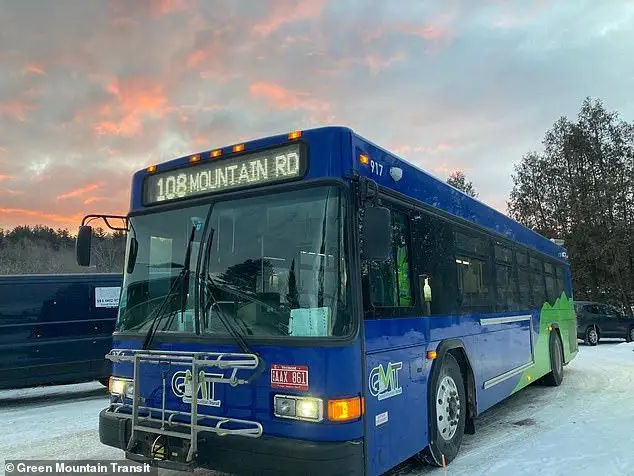
Green Mountain Transit (GMT) in Vermont acquired a fleet of electric buses as part of the state's broader effort to reduce its carbon footprint and greenhouse gas emissions. The project, funded by taxpayers, aimed to modernize the public transportation system and promote sustainable practices. However, the introduction of these buses has been met with operational difficulties that have placed the entire initiative on hold.
Operational Failures in Low Temperatures
The core issue revolves around the performance of the electric buses' batteries during cold weather.
Read More: New Bengaluru Green Line Metro Trains Arriving by August 2026
Charging Limitations: The bus batteries can only charge to 75 percent capacity and require temperatures above 41 degrees Fahrenheit to do so. This means that during the cold Vermont winters, the buses are unable to gain sufficient charge to operate effectively.
Fleet Stoppage: Consequently, the entire fleet has become inoperable during periods of low temperature, forcing GMT executives to scramble to find alternative buses to maintain commuter services.
Manufacturer's Response and Timeline for Repairs
The manufacturer of the buses, New Flyer, has acknowledged the defect.
Battery Replacement: The company stated that the defective batteries will need to be replaced.
Extended Repair Period: However, a fix for the Vermont fleet is not expected to be completed for up to two years. This protracted timeline suggests a substantial manufacturing or design flaw.
Criticism of Green Initiatives
The operational failure of the electric buses has amplified existing criticisms of Vermont's environmental policies.
Increased Emissions: Critics point to the fact that local emissions in Vermont have actually risen over the past two decades, while the rest of the United States has seen a decrease. This trend contradicts the stated goals of green initiatives aimed at reducing emissions.
Financial Accountability: The estimated $8 million spent on the buses is now seen by some as a waste of taxpayer money, given the fleet's inability to perform its intended function.
Expert and Public Reactions
The situation has elicited strong reactions from various stakeholders.
Public Discontent: Commuters relying on GMT services have experienced disruptions, leading to frustration and a decline in trust in the public transit system's reliability.
Policy Scrutiny: The project's failure is prompting a review of how environmental initiatives are implemented and whether the technologies chosen are suitable for the local climate and operational demands.
Conclusion and Implications
The operational failure of Vermont's electric bus fleet underscores the complex challenges of integrating new, environmentally-focused technologies. The inability of the buses to charge and operate in cold weather, coupled with the lengthy repair timeline, has resulted in a significant disruption of public transit and a substantial financial outlay that has yielded minimal operational benefit. This incident calls into question the thoroughness of the vetting process for such projects and the feasibility of adopting green technologies without adequate consideration for environmental conditions. Moving forward, further investigation into the procurement and testing protocols for public transit investments may be warranted to prevent similar situations.
Read More: Amazon Land Use Changes Cause Disease Clusters in Brazil
Sources:
Daily Mail: https://www.dailymail.co.uk/sciencetech/article-15571447/America-liberal-stronghold-electric-buses-freeze-cold.html
Context: Published article detailing the operational issues, financial cost, manufacturer's response, and criticisms of the initiative.
/newsfirstprime/media/media_files/2026/02/18/green-line-metro-2026-02-18-14-46-47.jpg)