Prime Minister Justin Trudeau has formally apologized on behalf of Canada for the nation's refusal to admit Jewish refugees fleeing Nazi Germany in 1939 aboard the MS St. Louis. This act of contrition addresses a significant historical wrong, acknowledging Canada's role in turning away individuals seeking safety during a period of intense persecution. The apology, delivered in the Canadian Parliament, seeks to rectify a past moral failing and underscores a commitment to combating ongoing antisemitism.

Historical Context: The MS St. Louis Incident and Canada's Policies
The MS St. Louis incident is a stark example of Canada's restrictive immigration policies during the 1930s, particularly concerning Jewish individuals.

In 1939, the MS St. Louis, carrying 907 German Jews fleeing Nazi persecution, sought refuge in Canada after leaving Germany.
Prior to its arrival in Canada, the ship had already been turned away by Cuba and the United States.
Canada, adhering to its "None is Too Many" immigration policy, refused to allow the passengers to disembark.
Consequently, the ship was forced to return to Europe, leading to the deaths of an estimated 250 passengers who were later murdered in Nazi concentration camps.
This decision was made at a time when Nazi Germany was escalating its attacks on Jewish homes, synagogues, and people, events exemplified by Kristallnacht, "The Night of Broken Glass."
Prime Minister Trudeau has stated that Canadian lawmakers at the time used national laws to mask antisemitism, effectively permitting the Nazis to advance their "final solution."
Apology and Acknowledgement of Past Failings
The apology by Prime Minister Trudeau aims to acknowledge the suffering caused by Canada's actions and to confront the nation's historical complicity.
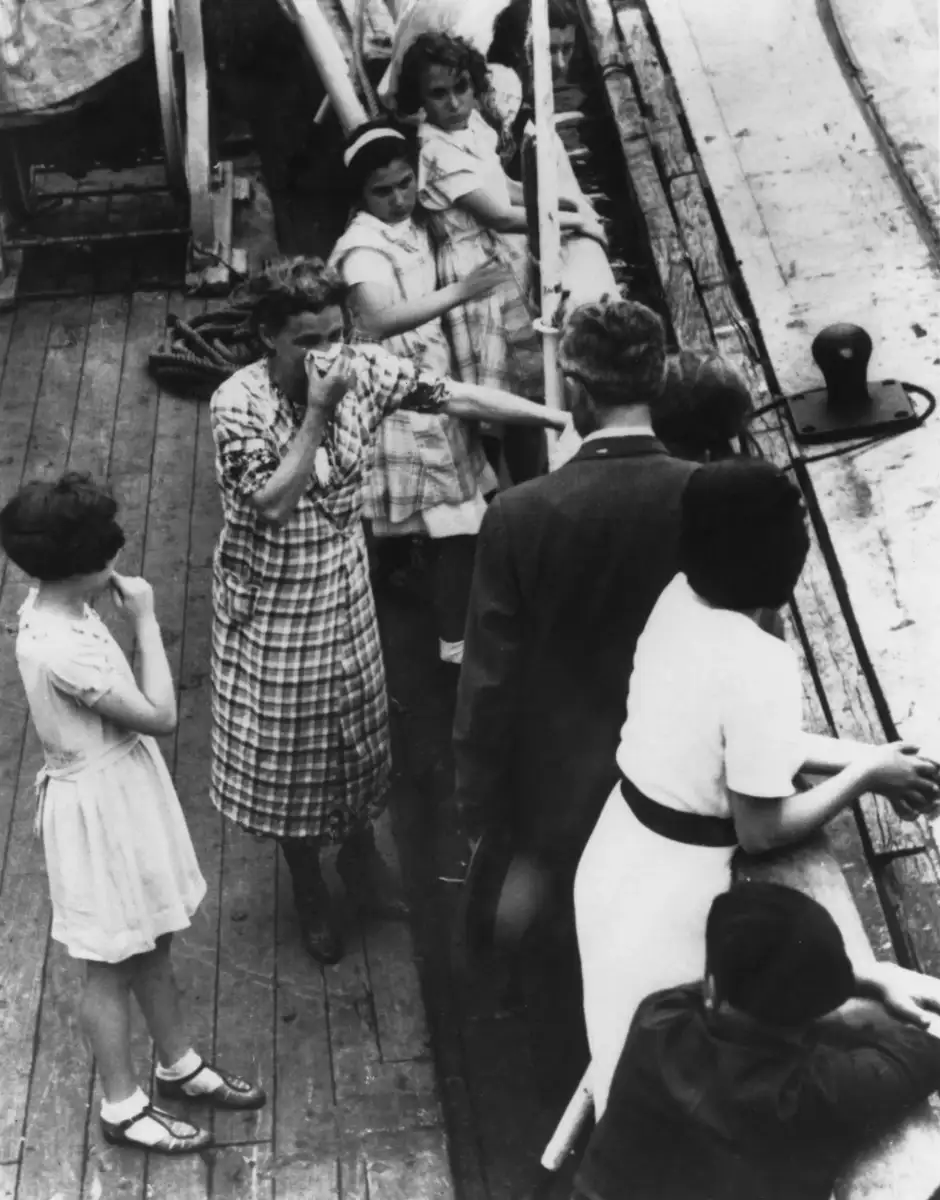
The apology was delivered on November 8, 2018, a date chosen to coincide with significant historical remembrance.
Trudeau stated that Canada had "turned its back" on the 907 refugees, calling the refusal a "blight on Canada’s past" and a "moral failure."
He specifically apologized for the "callousness of Canada's response."
The Prime Minister acknowledged that Canada's indifference to Jewish suffering predated and extended beyond the MS St. Louis incident.
He asserted that by harboring hatred and indifference, Canada shared in the moral responsibility for the deaths of those refugees.
Addressing Contemporary Antisemitism
Beyond the historical apology, the Canadian government has also linked this past event to current struggles against antisemitism.
Read More: Jessica Mulroney divorce from Ben Mulroney after Meghan Markle fallout
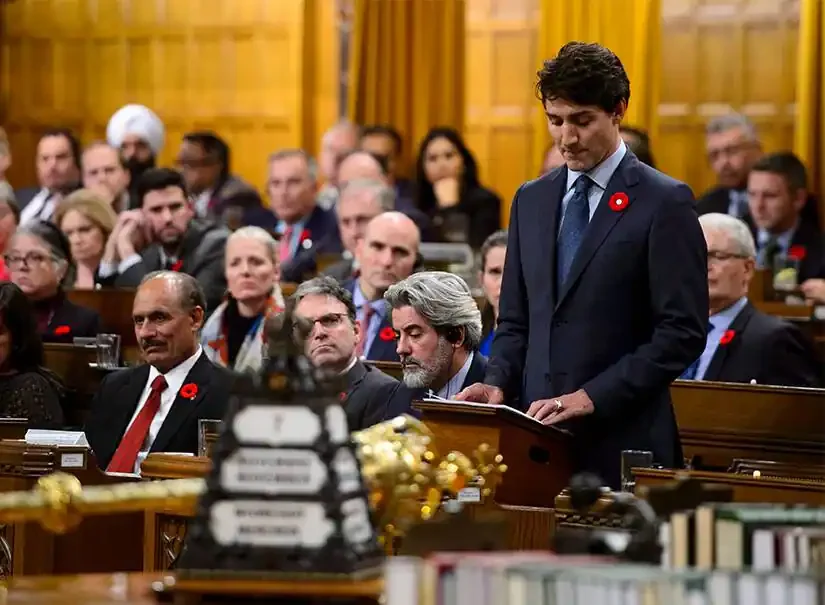
Prime Minister Trudeau has used these apologies as a platform to condemn ongoing antisemitic attitudes both within Canada and globally.
Recent data indicates that 17% of all hate crimes in Canada target Jewish people, highlighting a disproportionately high per-capita rate compared to other groups.
The government's commitment to fighting antisemitism is underscored by such acknowledgments of historical injustice.
Recent Controversies and Apologies
While the MS St. Louis apology addresses a specific historical event, it is situated within a broader pattern of government apologies and controversies related to antisemitism and historical remembrance.
On September 27, 2023, Prime Minister Trudeau issued an "unreserved" apology after the Canadian Parliament publicly honored Yaroslav Hunka, a Ukrainian World War II veteran who served in a unit that fought alongside the Nazis.
The speaker of the House of Commons, Anthony Rota, had invited Hunka and called him a hero, prompting a standing ovation, which later drew widespread criticism due to the veteran's association with the Waffen Grenadier Division of the SS.
This incident, occurring during a visit by Ukrainian President Volodymyr Zelensky, caused significant diplomatic embarrassment and renewed scrutiny of Canada's historical and contemporary stance on Nazi-affiliated individuals and antisemitism.
The opposition Conservative leader, Pierre Poilievre, called for Trudeau to apologize following the Hunka controversy.
Expert Analysis and Societal Impact
The apologies reflect a growing national discourse on historical accountability and the enduring impact of antisemitism.
Ana Maria Gordon, a passenger on the MS St. Louis who resides in Canada, met with Prime Minister Trudeau before the 2018 apology to discuss ways to combat antisemitism.
The apology for the MS St. Louis incident was delivered in both English and French, reflecting Canada's bilingual nature and the gravity of the historical moment.
The event highlights the enduring pain for survivors and their families, with the hope that apologies can bring some measure of peace.
Conclusion and Future Implications
The Canadian government's apologies, particularly for the MS St. Louis incident and the recent Hunka controversy, signify a recognition of past moral shortcomings and a commitment to addressing present-day antisemitism. These acts of contrition are crucial steps in reconciling with historical injustices and in reinforcing Canada's dedication to human rights and inclusivity.
The 2018 apology for the MS St. Louis acknowledged a deep-seated issue of antisemitism that was woven into Canada's immigration policies and societal attitudes of the time.
The 2023 apology for the Parliament's ovation of Yaroslav Hunka underscored the need for greater vigilance and historical accuracy in public forums.
Moving forward, these apologies serve as a beacon for continued efforts to combat all forms of hatred and discrimination, ensuring that Canada upholds its values of tolerance and respect.
Sources Used:
The Times of Israel: https://www.timesofisrael.com/trudeau-issues-apology-for-canadas-refusal-to-harbor-jews-fleeing-holocaust/
AP News: https://apnews.com/general-news-a3b58f7bc98f419494c5bbffb0f6c504
CBC News (2018 Apology): https://www.cbc.ca/news/politics/trudeau-issues-apology-in-commons-1.4895734
The Times of Israel (Hunka Apology): https://www.timesofisrael.com/canada-pm-offers-unreserved-apology-for-applause-of-ex-nazi-pain-it-caused-jews/
CBC Kids News: https://www.cbc.ca/kidsnews/post/canada-apologizes-for-79-year-old-mistake
Prime Minister of Canada Speeches (2018): https://www.pm.gc.ca/en/news/speeches/2018/11/07/statement-apology-behalf-government-canada-passengers-ms-st-louis
NBC News: https://www.nbcnews.com/news/world/canada-apologizes-turning-away-nazi-era-ship-jews-allowing-250-die-n933721
The Globe and Mail: https://www.theglobeandmail.com/politics/article-trudeau-says-canadas-1939-refusal-to-accept-ship-of-jewish-refugees/
National Post (2018 Apology Announcement): https://nationalpost.com/news/politics/canada-to-apologize-for-turning-away-nazi-era-ship-of-jews-trudeau-says
CBC News (2018 Apology Date): https://www.cbc.ca/news/politics/justin-trudeau-st-louis-november-seven-1.4813667
The Washington Post: https://www.washingtonpost.com/world/theamericas/trudeau-to-apologize-for-canadas-rejection-of-a-boat-full-of-jewish-refugees-in-1939/2018/11/07/5462d53a-e1f9-11e8-a1c9-6afe99dddd92story.html
Global News: https://globalnews.ca/news/3772323/canada-apology-jewish-refugees-holocaust/
Prime Minister of Canada News Releases (2018): https://www.pm.gc.ca/en/news/news-releases/2018/11/07/prime-minister-delivers-apology-regarding-fate-passengers-ms-st-louis
The Guardian: https://amp.theguardian.com/world/2023/sep/25/canadas-house-speaker-apologises-after-praising-ukrainian-veteran-who-fought-for-nazis