)
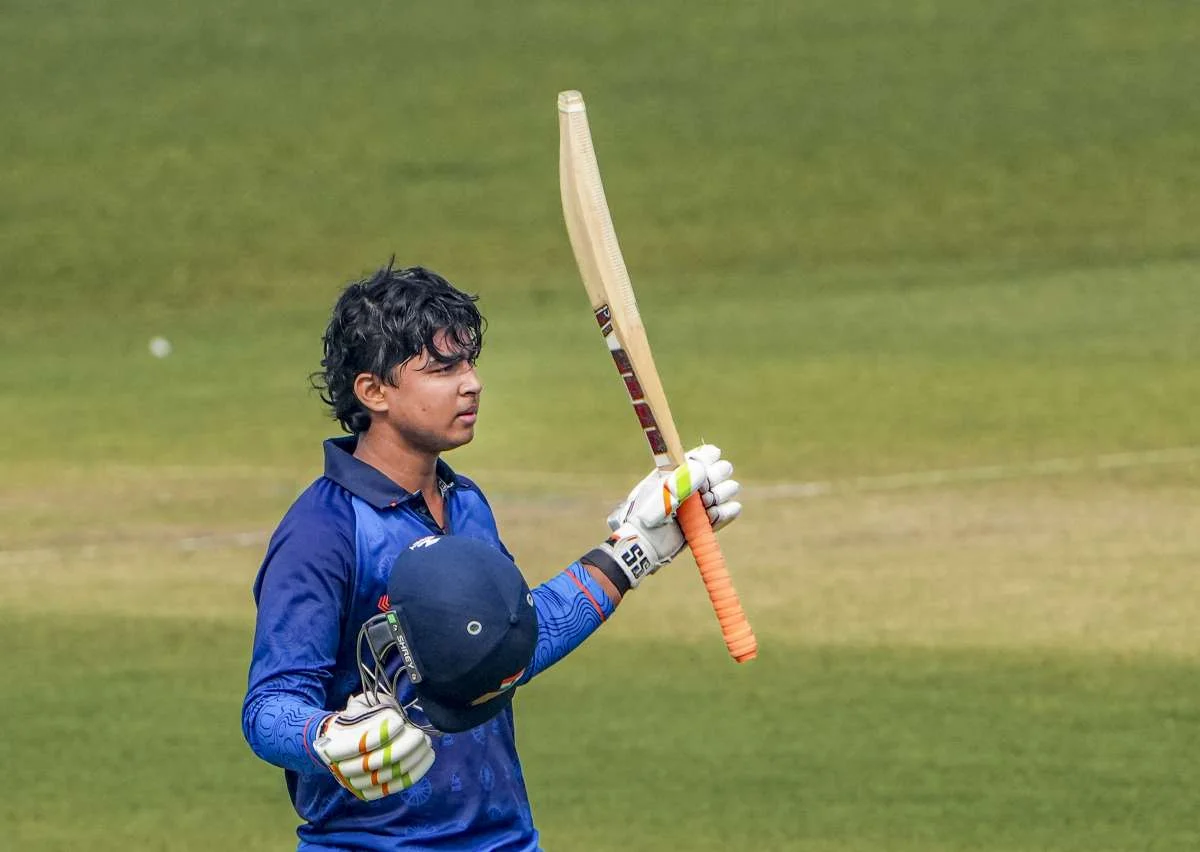
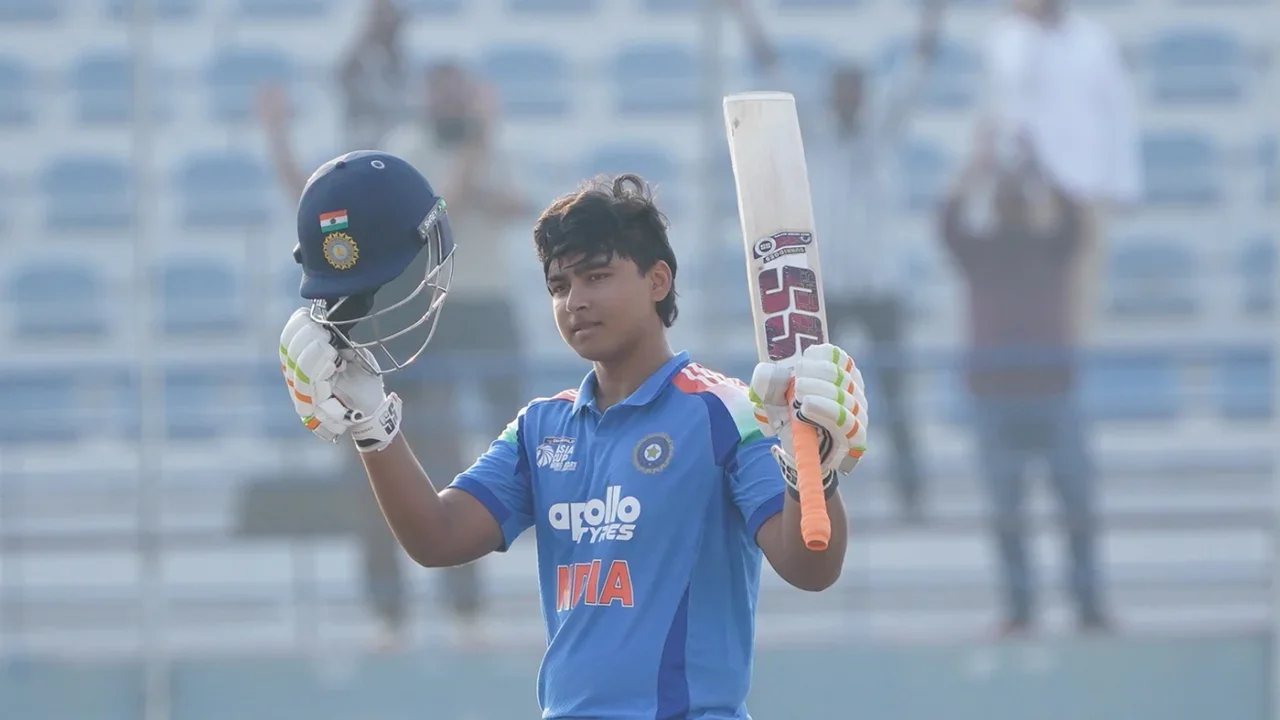
The roar of the crowd, the thrill of a World Cup final, the promise of a glittering future – all the ingredients for a fairy tale were present for 14-year-old Vaibhav Sooryavanshi. His monumental 175 in the U-19 World Cup final against England wasn't just a record-breaking innings; it was a glimpse into what could have been. Yet, despite his phenomenal performance and mathematical eligibility for at least two more editions of the tournament, Sooryavanshi has played his last U-19 World Cup. Why? The answer lies in a seemingly simple rule, a rule championed by none other than Rahul Dravid, the former India U-19 coach. This decision raises profound questions about talent development, the rigidity of age-group cricket, and whether a decade-old policy is truly serving the best interests of young Indian cricketers.
The narrative surrounding Vaibhav Sooryavanshi’s U-19 World Cup journey is one of dazzling talent colliding with bureaucratic limitations. His 175 in the final, a score that dwarfs previous records, is a testament to his extraordinary skill. Yet, the joy of this achievement is tempered by the stark reality: this is the peak of his U-19 career. While cricketers like Ravindra Jadeja have had the opportunity to represent India in two U-19 World Cups, Sooryavanshi, at just 14, is being excluded from future tournaments. This paradox – a young prodigy reaching his U-19 zenith at an age when others are just beginning – demands scrutiny. What does this mean for the future of Indian cricket talent, and is the system designed to nurture, or to cap, potential?
The Rule: Two Strikes and You're Out?
The crux of the issue lies in the Board of Control for Cricket in India (BCCI)'s eligibility rules for U-19 cricket. These regulations stipulate a maximum of two appearances in the U-19 World Cup. This rule, seemingly straightforward, has been a point of contention, especially when faced with a talent like Sooryavanshi.
Read More: Italy Beats Nepal in T20 World Cup Match
The BCCI Rule: Cricketers entering the U-19 system are permitted to participate in a maximum of two U-19 World Cup tournaments.
The Logic: This rule was reportedly introduced to ensure a broader base of young talent gets exposure at the international level and to prevent players from overstaying their eligibility, potentially hindering younger prospects.
Rahul Dravid's Stance: As reported, former India U-19 coach Rahul Dravid has previously emphasized the "moral necessity" of such strict age-group oversight. This suggests a belief that early exposure is not always beneficial and that adherence to age regulations is paramount for player development and fair competition.
The question remains: does this rule truly serve the best interests of player development, or does it prematurely limit the opportunities for exceptional talents like Sooryavanshi? Was Rahul Dravid's perspective, while well-intentioned, perhaps too rigid in the face of burgeoning individual brilliance?
A Legacy of Rules and Exceptions
This isn't the first time eligibility rules have sparked debate in Indian cricket. Past instances highlight a recurring tension between nurturing exceptional talent and adhering to established protocols.
Read More: Indian Shooter Aishwary Pratap Singh Tomar Wins Gold
The careers of several prominent Indian cricketers have intersected with age-group regulations, often demonstrating the delicate balance officials must strike.
| Player | U-19 World Cup Appearances | Notes |
|---|---|---|
| Ravindra Jadeja | Two | Played in 2008 and 2009 U-19 World Cups, going on to a stellar international career. |
| Ricky Bhui | Two | Represented India in the 2014 and 2016 U-19 World Cups. |
| Vaibhav Sooryavanshi | One (so far) | Despite being 14, his U-19 WC journey concludes after one tournament due to the two-appearance limit. |
This table illustrates that having two U-19 World Cup appearances is not uncommon. So, why is Vaibhav Sooryavanshi's situation drawing such attention? It's his age – 14. This extraordinary youth, coupled with his record-shattering performance, makes the rule feel particularly restrictive. Did Rahul Dravid foresee a situation where a player of such young age could dominate to this extent, and did his 'moral necessity' argument anticipate such a scenario?
The "Dravid Doctrine" and Its Implications
The philosophy championed by Rahul Dravid seems to lean towards structured development and ensuring the longevity of careers by preventing players from peaking too early in junior formats.
Read More: India vs Pakistan Match in T20 World Cup 2026 Will Happen
"Former India head coach Rahul Dravid previously highlighted the moral necessity of such strict age-group oversight." (Zee News)
This statement implies a deep-seated belief that there's a developmental pathway that shouldn't be rushed. However, one must ask:
Is this "oversight" a rigid gatekeeper, or a flexible guide?
What constitutes "moral necessity" in cricket development? Is it purely about rule adherence, or about maximizing a player's potential?
If a 14-year-old is performing at a world-class level, is it detrimental to his growth to deny him further U-19 opportunities?
The argument for Dravid's approach might be that prolonged U-19 exposure could lead to a plateau effect, making the transition to senior cricket more challenging. It could also be argued that it ensures a wider pool of players get international experience at the junior level. However, what about the flip side?
The Case for Vaibhav Sooryavanshi
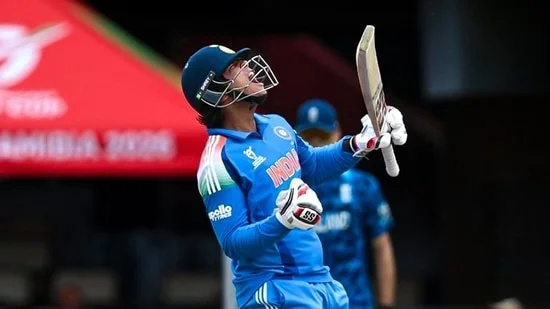
Sooryavanshi's performance defies conventional U-19 boundaries. His 175 off 80 balls in the U-19 World Cup final is not merely a high score; it's a statistical anomaly.
Read More: India Says US Trade Paper Changes Match What Was Agreed
Record-Breaking Innings: His 175 is the highest individual score in an U-19 World Cup final, surpassing Unmukt Chand's 111*. (ICC Cricket)
Aggressive Play: He demonstrated a maturity and aggressive flair reminiscent of senior international stars, hitting a century in just 55 balls. (India Today)
Prolific Six-Hitting: He also broke Dewald Brevis's record for the most sixes in a single edition of the U-19 World Cup. (ICC Cricket)
To suggest that allowing him to play another U-19 World Cup would be "detrimental to his growth" (Times of India) seems counterintuitive when his current level of performance is already exceeding expectations by a significant margin. This begs the question: could the BCCI implement a waiver system for exceptional talents, allowing them to exceed the two-tournament limit based on performance and age?
The Future of Young Talent: A Critical Examination
The Vaibhav Sooryavanshi saga brings into sharp focus the challenges of managing prodigies in cricket. While the intention behind the BCCI's two-appearance rule might be sound, its application in cases like Sooryavanshi's raises concerns about inflexibility.
Read More: Babar Azam's Father Speaks Out, Causes Debate Among Cricket Stars
Consider these points:
Talent vs. Time: Sooryavanshi is not just "playing U-19 cricket"; he is redefining it at an astonishingly young age. His current U-19 performance suggests he is already operating at a level far beyond his peers.
Developmental Pathways: If a player is performing exceptionally well, shouldn't the pathway adapt? Instead of limiting him to two tournaments, could he have been given opportunities to play more games in the U-19 format to hone his skills further before a potential transition to first-class or List A cricket?
The Dravid Influence: The explicit mention of Rahul Dravid's emphasis on oversight suggests that his coaching philosophy is deeply embedded in these U-19 policies. While Dravid's contribution to Indian cricket is undeniable, is it time to critically re-evaluate whether his past perspectives are still the optimal approach for all future talents?
Read More: India's January Inflation Rate is 2.75% with New Measuring System
Ultimately, the story of Vaibhav Sooryavanshi is a microcosm of a larger debate in sports: how do we balance established rules with the emergence of extraordinary, once-in-a-generation talent? Denying him further U-19 World Cup opportunities feels like closing a door on a player who is clearly ready to conquer new heights, even within the junior ranks. The question isn't just about if he played, but why he can't play again, and whether that "why" truly serves the spirit of cricket development.
Conclusion: A Prodigy's Premature Farewell?
Vaibhav Sooryavanshi's U-19 World Cup journey, though marked by an unforgettable final performance, is likely over due to a two-tournament eligibility rule. This policy, reportedly supported by former U-19 coach Rahul Dravid for its perceived benefits in structured development and fairness, now seems to be stifling a prodigious talent at the tender age of 14. His record-shattering 175 in the final highlights not just his skill, but a potential that could have been further nurtured within the U-19 international arena for at least another cycle.
Read More: England Captain Says "Thank God" After Losing to West Indies
The critical question is whether this rule, designed with good intentions, is inadvertently harming the growth of exceptional talents like Sooryavanshi. Instead of fostering continued development and confidence gained from performing at the highest junior level, he faces a premature exit from a stage where he is clearly a class apart. The BCCI and its decision-makers must critically assess if such rigid adherence to a decade-old policy is truly in the best interest of Indian cricket's future stars. Are we prioritizing rules over realizing raw, exceptional potential? The implications for Sooryavanshi's career, and potentially for future prodigies, hinge on this re-evaluation.
Sources:
Zee News: https://zeenews.india.com/cricket/ravindra-jadeja-played-two-u-19-wc-but-vaibhav-sooryavanshi-despite-being-just-14-year-old-cannot-play-u19-wc-2028-know-why-how-rahul-dravid-is-the-reason-3014636.html
India TV News: https://www.indiatvnews.com/sports/cricket/vaibhav-sooryavanshi-despite-being-only-14-will-never-play-u19-world-cup-again-here-s-why-2026-02-06-1029218
Times Now News: https://www.timesnownews.com/sports/cricket/explained-why-vaibhav-suryavanshi-can-only-play-one-u19-world-cup-despite-being-14-article-153431568
Hindustan Times: https://www.hindustantimes.com/cricket/vaibhav-sooryavanshi-redefining-how-cricket-is-played-u19-wc-final-knock-sits-in-league-of-rohits-264-sachins-200-101770380015767.html
ESPNcricinfo: https://www.espncricinfo.com/story/under-19-world-cup-final-stats-sooryavanshi-breaks-records-with-his-six-filled-175-1522524
India Today: https://www.indiatoday.in/sports/cricket/story/vaibhav-suryavanshi-175-u19-world-cup-final-records-broken-ind-vs-eng-2864166-2026-02-06
ICC Cricket: https://www.icc-cricket.com/news/indian-batter-sets-new-u19-world-cup-final-record-with-blistering-century
The Indian Express: https://indianexpress.com/article/long-reads/india-win-u-19-world-cup-teen-champions-10517935/
Times of India: https://timesofindia.indiatimes.com/sports/cricket/icc-u-19-world-cup/detrimental-to-his-growth-ex-india-coach-questions-vaibhav-sooryavanshi-playing-u19-world-cup/articleshow/126568611.cms
Read More: Nationwide Strike Had Small Effect in Most Places

)