)
The Standoff Over the India-Pakistan Fixture
A ten-day standoff threatened the global cricket economy over a highly anticipated Group A fixture in the T20 World Cup 2026 between India and Pakistan. The situation reached a critical point, risking the disruption of a major international sporting event. This high-stakes scenario involved intricate diplomatic maneuvering between cricket boards and international governing bodies, with potential financial and reputational consequences for all parties involved. The tension stemmed from initial refusals to play, leading to a period of intense negotiation and ultimately, a resolution.
Context: Timeline of Events and Key Actors
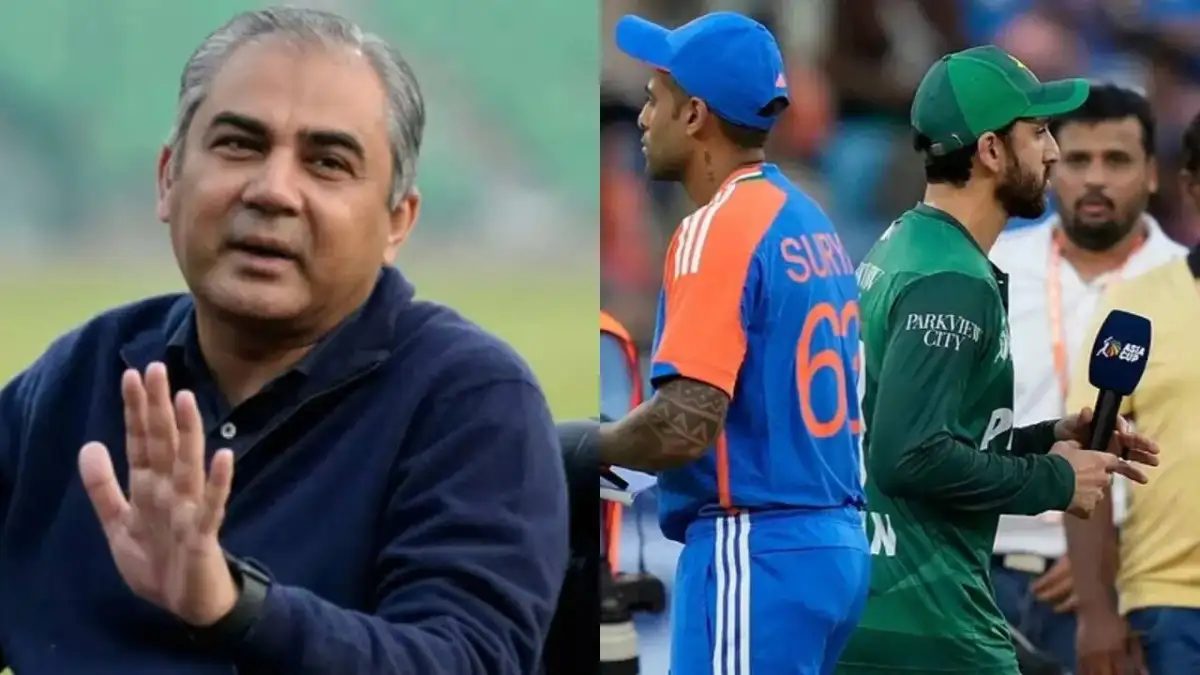
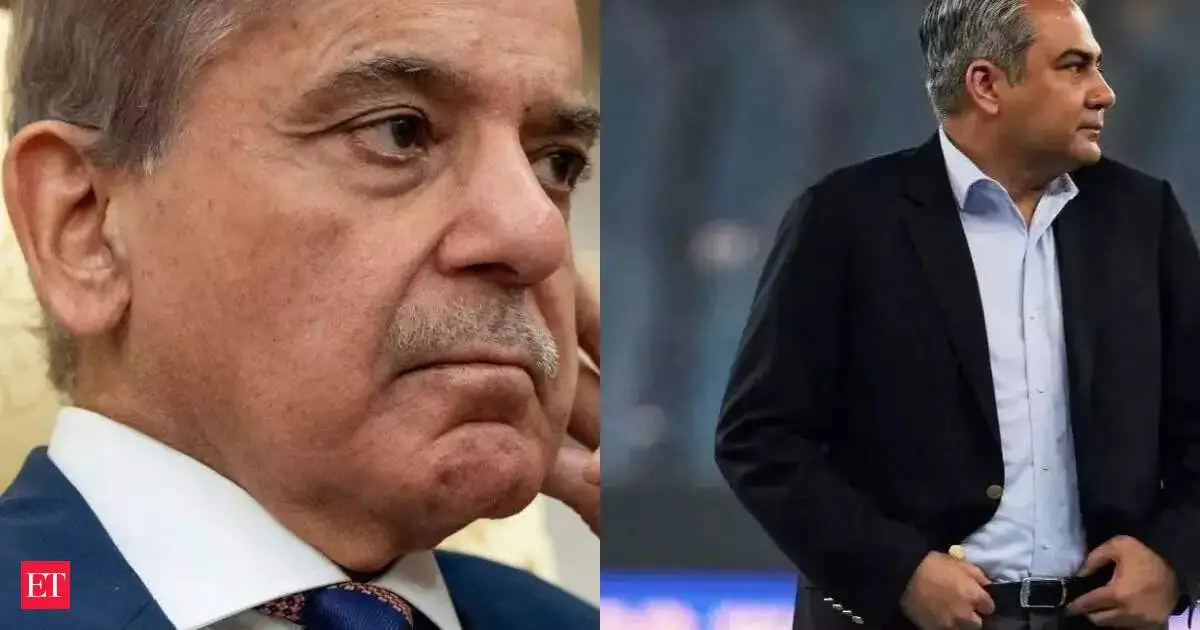
The dispute began following Bangladesh's refusal to travel to India for their matches, a stance that was met with rejection when they requested their games be moved to Sri Lanka. This decision reportedly triggered a reaction from Pakistan, with their government, led by Prime Minister Shehbaz Sharif, publicly stating Pakistan would not play its fixture against India. This declaration was presented as a show of support for Bangladesh.
Read More: Australia T20 Cricket Team Success Ignored by Media
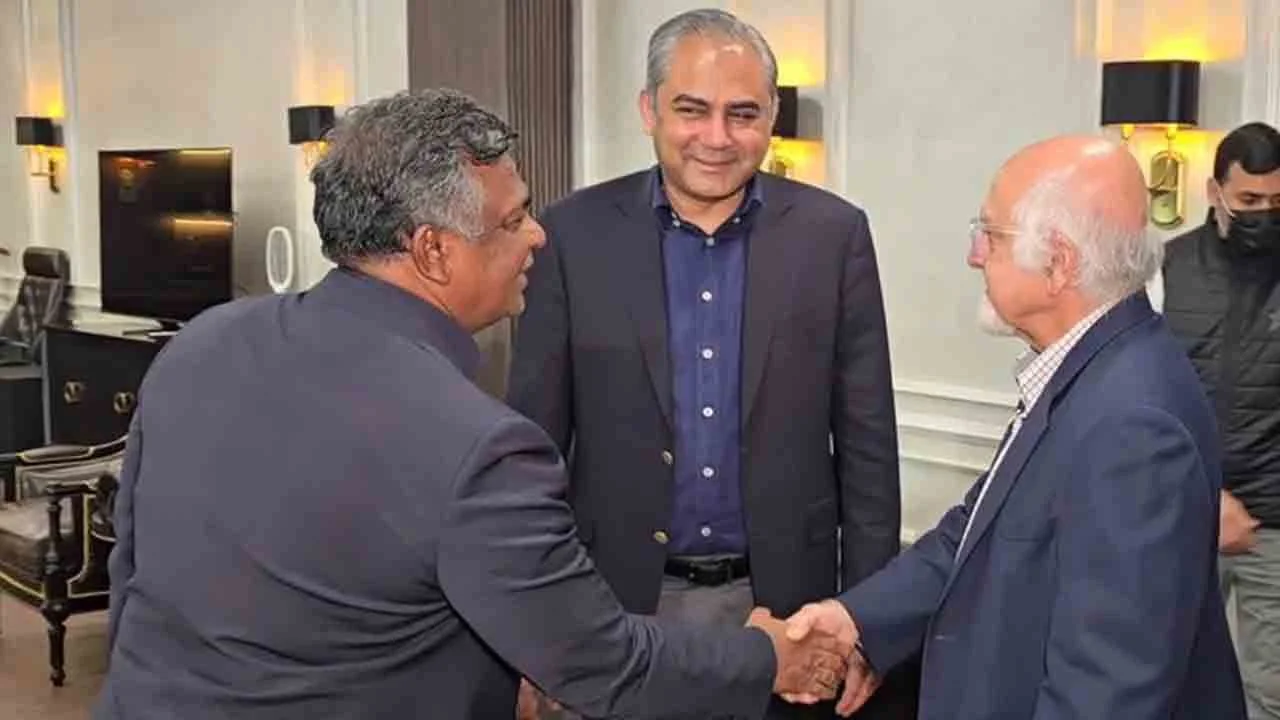
Key figures and entities involved in resolving the situation include:
Pakistan Cricket Board (PCB): Led by its chief, Mohsin Naqvi.
Bangladesh Cricket Board (BCB): Represented by its president, Amin ul Islam.
International Cricket Council (ICC): An ICC delegation, including Deputy Chairman Imran Khawaja, played a crucial role in facilitating negotiations.
Sri Lankan Cricket (SLC): Appealed to the PCB to play the fixture, citing potential economic losses.
Board of Control for Cricket in India (BCCI): Stated adherence to ICC directives.
Prime Minister Shehbaz Sharif: Initially vocal about Pakistan's stance, later consulted by Mohsin Naqvi.
Evidence of Diplomatic Engagements and Shifting Stances
An ICC delegation met with PCB officials at the Gaddafi Stadium in Lahore. This meeting is central to the resolution, reportedly yielding significant concessions.
Mohsin Naqvi initially appeared defiant but later consulted with Prime Minister Shehbaz Sharif on multiple occasions, indicating a shift in the PCB's position.
Sources within the PCB indicated that Naqvi was expected to approach Prime Minister Sharif to reconsider the boycott after an appeal from the BCB president.
Bangladesh Cricket Board president Amin ul Islam was in Lahore for discussions with Mohsin Naqvi and ICC vice-chairman Imran Khawaja.
The resolution was described as the result of tripartite negotiations between the ICC, PCB, and BCB.
Sri Lanka Cricket had written to the PCB, urging them to play the fixture, emphasizing economic impacts and recalling past support for Pakistan.
The BCCI has maintained a neutral stance, deferring to ICC decisions.
ICC Concessions and No Penalties for Bangladesh
A significant development in resolving the impasse was the confirmation by the ICC that no penalties would be imposed on Bangladesh for their withdrawal from playing in India. This decision appears to have been a key concession, removing a potential barrier to broader agreements.
The absence of sanctions against Bangladesh removed a point of contention.
This facilitated a path forward for Pakistan's participation.
Pakistan's Shift: From Defiance to Agreement
Initial reports indicated a strong stance from Pakistan, with Prime Minister Shehbaz Sharif publicly declaring their refusal to play the India match. However, this position evolved significantly.
PCB chief Mohsin Naqvi engaged in extensive consultations, including with the Prime Minister.
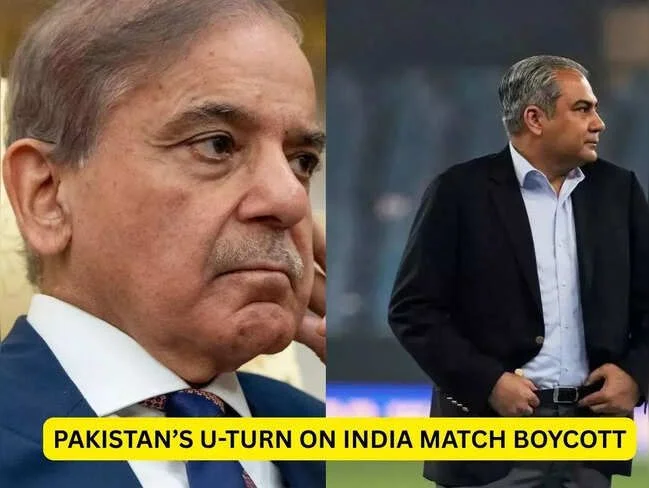
The PCB's willingness to "backtrack" or make a "u-turn" became evident through these discussions.
Sources suggested that some PCB officials were open to playing the match even before a final decision was reached by Naqvi.
The eventual agreement was framed by Mohsin Naqvi as being "done at the request of Bangladesh," highlighting the cooperative aspect of the resolution.
Economic Pressures and Diplomatic Leverage
The economic impact of not holding high-profile matches was a notable factor. Sri Lanka Cricket's appeal to the PCB underscored the financial risks involved if the India-Pakistan fixture was not played in Colombo.
The potential for heavy losses for the Sri Lankan economy was cited as a reason for their intervention.
Some analysis suggests Pakistan may have used the India match as leverage in the T20 World Cup.
The potential for severe financial penalties from the ICC was a stated risk for the PCB if they proceeded with a boycott.
Expert Analysis and Perspectives
"The ICC's intervention and subsequent concessions, particularly regarding Bangladesh, appear to have been instrumental in recalibrating the situation. The interplay between national government directives and cricket board autonomy is a complex dynamic in this region."
"While the narrative of a 'humiliation' for the Pakistani leadership might be presented, the resolution ultimately served to keep a crucial global sporting event intact. The economic arguments, coupled with potential ICC sanctions, likely played a significant role in shifting perspectives."
Conclusion: A Rescued Fixture Amidst Interconnected Pressures
The resolution of the India-Pakistan T20 World Cup 2026 fixture emerged from a period of considerable diplomatic tension and negotiation. The initial refusal by Pakistan to play, seemingly in solidarity with Bangladesh, was overcome through the intervention of the International Cricket Council. Key elements contributing to the outcome include:
Read More: Ghana plays Wales before World Cup, Lewis Koumas debuts
ICC-facilitated meetings: High-level discussions at the Gaddafi Stadium involving PCB and ICC officials.
ICC concessions: The decision not to penalize Bangladesh for their initial refusal.
Pakistan's strategic shift: A gradual "u-turn" from a defiant stance, involving consultations between PCB chief Mohsin Naqvi and Prime Minister Shehbaz Sharif.
Economic considerations: The potential financial impact on Sri Lanka, the host nation, added urgency to the resolution.
Bilateral appeals: Direct communication between the BCB and the PCB.
The situation underscores the intricate connections between sporting events, national interests, and economic realities in international cricket. The outcome ensures that the highly anticipated match between India and Pakistan will proceed as scheduled, averting a significant disruption to the tournament.
Sources:
Zee News: https://zeenews.india.com/cricket/mohsin-naqvis-u-turn-shehbaz-sharif-humiliated-full-story-of-how-india-vs-pakistan-t20-wc-2026-fixture-was-saved-amidst-diplomatic-tensions-3016333.html
Context: General news reporting on the resolution of the T20 World Cup fixture dispute.
Moneycontrol: https://www.moneycontrol.com/sports/cricket/done-at-the-request-of-bangladesh-mohsin-naqvi-explains-pakistan-s-u-turn-on-india-match-watch-article-13821400.html
Context: News report featuring a statement from Mohsin Naqvi explaining Pakistan's change of stance.
NDTV: https://www.ndtv.com/beeps/t20-world-cup-2026/pakistan-close-to-making-boycott-u-turn-mohsin-naqvi-to-consult-pm-shehbaz-sharif-sources-10970799
Context: Report on Pakistan's imminent U-turn and Mohsin Naqvi's intention to consult the Prime Minister.
Timesnownews: https://www.timesnownews.com/sports/cricket/india-pakistan-controversy-t20-world-cup-2026-mohsin-naqvi-asks-for-time-as-pcb-split-after-icc-warns-of-severe-consequences-article-153582060
Context: Details on PCB divisions, ICC warnings, and Sri Lanka's appeal.
Crickex: https://crickex.in/explained-why-mohsin-naqvi-took-a-u-turn-on-pakistans-india-boycott/
Context: An explanatory piece on the reasons behind Mohsin Naqvi's change of stance.
SportsYaari: https://www.sportsyaari.com/cricket/pakistan-u-turn-on-the-cards-pcb-chief-mohsin-naqvi-turns-to-pm-shehbaz-sharif-over-india-boycott-19917/
Context: Report detailing Mohsin Naqvi's consultation with PM Shehbaz Sharif and the role of the BCB president.