US Vice President J.D. Vance abruptly concluded his visit to Budapest, departing on Wednesday evening, cutting short an initially extended schedule. The visit, which saw Vance actively campaigning for Hungarian Prime Minister Viktor Orbán days before a pivotal election, occurred concurrently with significant international developments, including delicate ceasefire negotiations and warnings concerning Lebanon.
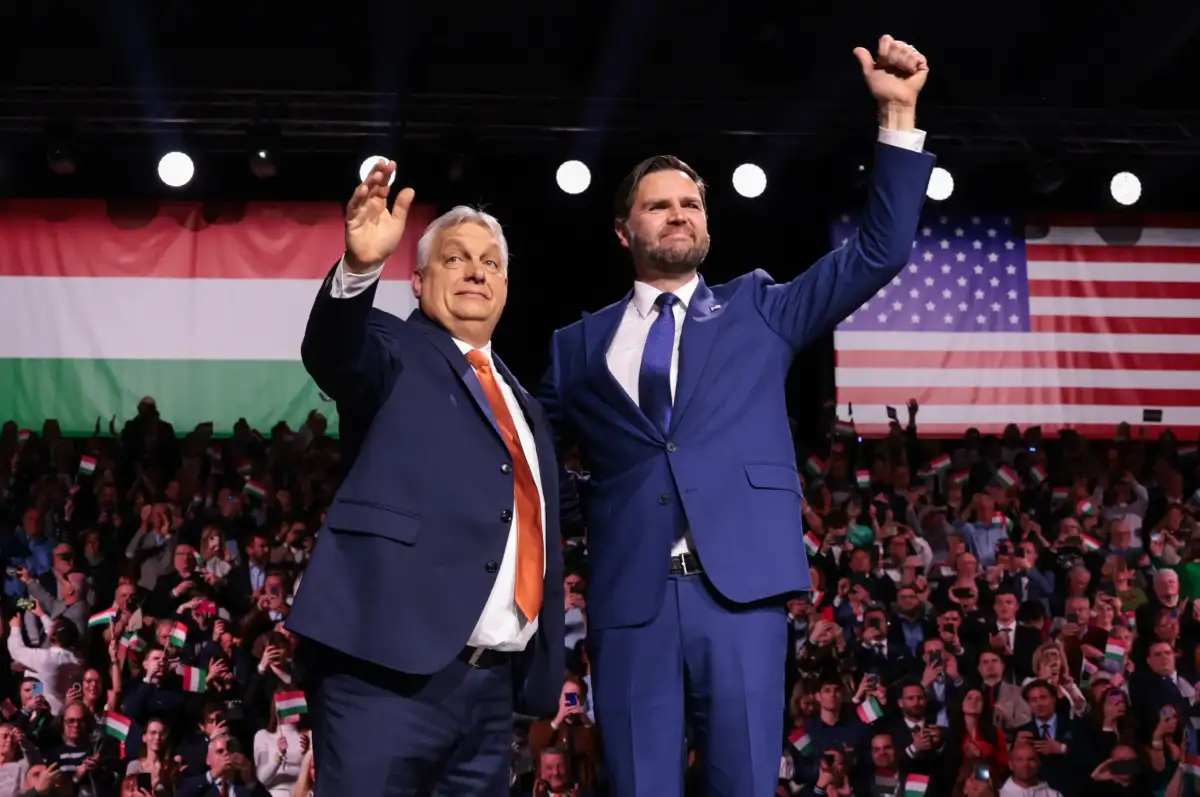
Vance's presence in Hungary aimed to publicly endorse Orbán, who faces a tight electoral contest. During his visit, Vance urged Hungarian voters to "Stand with Viktor Orbán, because he stands for you, and he stands for all these things." These remarks came despite suggestions that such backing might not significantly boost Orbán's domestic popularity. The US Vice President also levied accusations against Brussels, claiming the European Union was interfering in Hungary's electoral process. This assertion was met with rejection by the German government.
Read More: Labor Secretary Chavez-DeRemer Faces 3 Civil Rights Complaints and Internal Probes

Electioneering and Accusations
Vance's public engagements in Budapest centered on bolstering Orbán's re-election bid. He delivered remarks in support of the nationalist Prime Minister, a close ally of former US President Donald Trump. Trump himself had communicated his support for Orbán, stating, "all the way, the United States is with him all the way." Vance praised Orbán as "one of the only true statesmen in Europe," highlighting a "rich partnership between the United States and Hungary" and claiming the two leaders had done the most to "try to end the war between Russia and Ukraine."

The Vice President also articulated a stance critical of the EU's influence, framing it as an impediment to Hungary's autonomy. He suggested that the EU had attempted to make Hungary "less energy independent." These claims emerge despite data indicating Hungary's significant reliance on and receipt of EU funding. Vance’s comments also touched upon broader geopolitical tensions, including warnings about a fragile ceasefire framework involving the United States, Iran, and Israel.
Read More: Lebanon Ceasefire Strained by Israeli Attacks, US-Iran Dispute

Geopolitical Context and Background
The timing of Vance's visit coincided with critical international moments, including the expiration of an ultimatum regarding the Strait of Hormuz. Hungary, under Orbán, has maintained ties with Moscow, even amidst the conflict in Ukraine, and has sought exemptions from US sanctions on Russian energy. Vance's visit, and the broader US administration's overt support for Orbán, marks a departure from traditional US policy of avoiding direct involvement in the elections of allied nations. This alignment has drawn attention, particularly concerning Hungary's relationship with Russia and its stance on the conflict in Ukraine.
Orbán, often described as an ally of Trump and a figure celebrated among the global far-right, has seen his time in power correlate with Hungary becoming a focal point of discussions regarding corruption within the EU. Vance's wife, Usha Vance, accompanied him on the trip. Vance's swift departure from Budapest on Wednesday evening, after initially planning a longer stay, remains a point of discussion, with the exact reasons for the curtailed visit not immediately detailed.
Read More: Tories Criticize Starmer for No Defence Plan During Gulf Trip