)
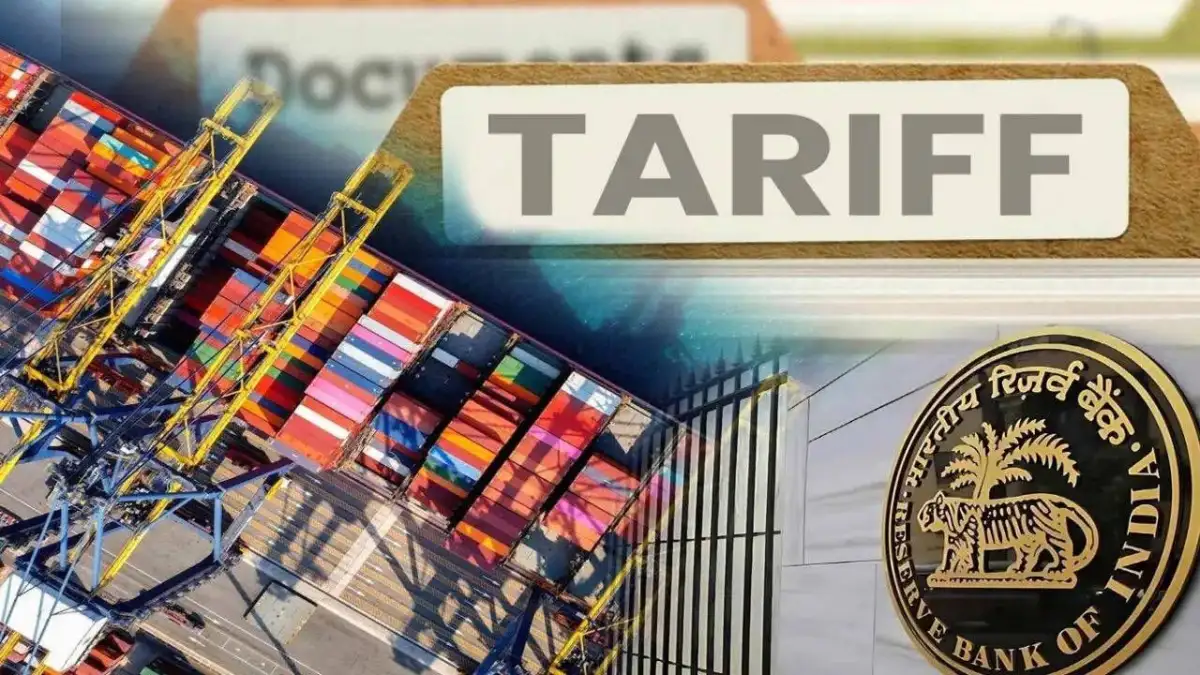
A recent adjustment by the United States to lower tariffs on goods from India and other emerging economies to 10% appears to be a positive development, offering much-needed relief and clarity for businesses and investors. This move follows a period of higher trade barriers, including specific rates that impacted over half of India's exports to the U.S. While some sectors remain unaffected, the broader economic outlook is seeing a degree of normalization.
The United States has previously implemented a reciprocal tariff policy, setting a minimum of 10% duty on imports from countries with perceived high trade barriers. For India, this policy initially resulted in rates as high as 27% on certain goods, with China facing even higher levies. However, subsequent negotiations and adjustments have led to the current reduction.

Shifting Tariff Landscape
The United States' decision to reduce tariffs to 10% has been met with optimism from various economic experts. This adjustment appears to be part of a broader effort to normalize global trade, which had been impacted by varied tariff rates imposed on different nations.
Read More: Goldman Sachs predicts 15 million US jobs lost to AI by 2036
The earlier, higher tariff rates had created uncertainty for businesses operating in emerging markets, including India.
A standardized 10% rate is seen as a move to simplify and stabilize the international trade environment.
This recalibration aims to foster greater predictability for global commerce.
Economic Implications for India
The U.S. tariff adjustments have had a notable impact on India's export-driven economy. While the initial tariffs posed a threat to a significant portion of India's exports to the U.S., the recent reductions offer a degree of respite.
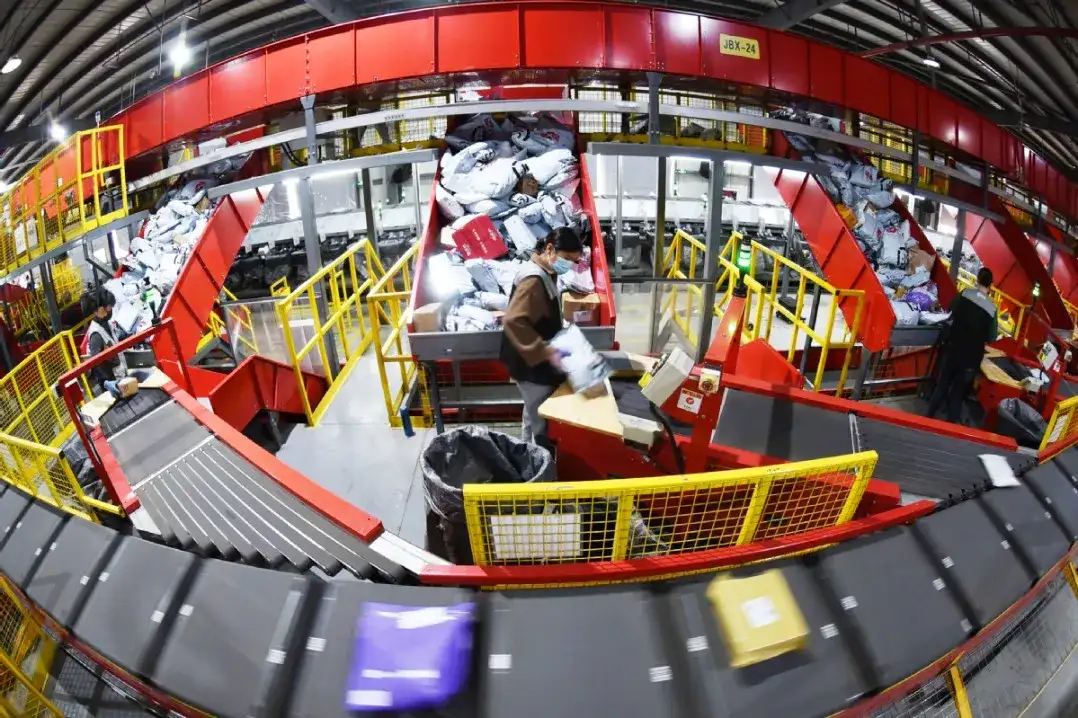
Initially, tariffs impacted over 55% of India's exports to the U.S., valued at $87 billion.
Certain sectors, such as pharmaceuticals, semiconductors, energy, and critical minerals, were spared from these tariffs.
The potential impact on India's Gross Domestic Product (GDP) was estimated to be between 0.1% and 0.5% in the near term due to these trade barriers.
Bilateral Trade Discussions
Ongoing discussions between the U.S. and India highlight a commitment to addressing bilateral trade barriers and establishing a more conducive trade agreement. The focus extends beyond tariffs to include other trade impediments.
The United States has historically identified significant trade barriers with India.
Both nations are working towards a bilateral trade agreement, with established Terms of Reference.
India has expressed willingness to reduce tariffs on U.S. products as part of this agreement.
India has also agreed to commitments such as halting Russian crude oil purchases and shifting sourcing to the U.S., alongside adopting stronger "Buy American" policies.
Affected Sectors and Rates
The imposition and subsequent adjustments of U.S. tariffs have had varying effects across different product categories. A table illustrates the shifts in tariff rates for several key sectors.
Read More: Australia-US Trade Dispute: New Tariffs Cause Friction

| Product Category | Initial Tariff Rate (approx.) | Subsequent Tariff Rate (approx.) |
|---|---|---|
| Textiles & Apparel | 25% | 50% |
| Gems & Jewellery | 25% | 50% |
| Leather & Footwear | 20.8% – 29.51% | 45.8% – 54.51% |
| Marine Products | 33.26% | 58.26% |
| Chemicals (Organic) | 25% | 50% |
| Automobiles & Auto Parts | 25% | 50% |
| Iron, Steel, Aluminium | 25% | 50% |
| Agricultural Products | 25.54% (e.g., onions) | 50.54% (e.g., onions) |
| Machinery & Engineering | 25% | 50% |
| Ceramic, Glass, Stone | 25% | 50% |
| Paper & Wood Products | 25% | 50% |
| Dairy Products | 56.46% (buttermilk) | Not specified |
| Dairy Products (Powder) | 30.84% (milk powder) | Not specified |
Note: The table reflects specified rates where available, with some categories showing broader ranges or specific examples. Data is presented as per the provided information.
India's Diplomatic Response
In response to the evolving trade dynamics, India has focused on diplomatic channels and international frameworks rather than immediate retaliatory tariffs.

India has committed to working towards zero tariffs and eliminating non-tariff barriers on U.S. goods.
New Delhi has reserved its right to pursue actions through World Trade Organization (WTO) mechanisms.
The country is also exploring export diversification strategies to mitigate trade risks.
Expert Perspectives
Economic analysts and officials have offered insights into the recent tariff adjustments and their potential ramifications.
"Calling the US decision to reduce tariffs to 10 per cent a ‘very positive development’ for emerging markets, an expert on Saturday said the move helps normalise global trade and brings much-needed clarity to businesses and investors." (Article 1)
Chief Economic Adviser (CEA) Nageswaran indicated that reciprocal tariffs could be brought down to the anticipated range of 10-15%, suggesting that significant trade discussions were underway. (Article 2)
The ongoing nature of these trade negotiations suggests that the landscape of bilateral trade relations between India and the U.S. continues to be a dynamic subject.
Conclusion and Future Outlook
The U.S. tariff cut to 10% represents a significant development for India and other emerging economies, fostering a more predictable environment for international trade. This move is indicative of progress in bilateral trade discussions aimed at resolving existing barriers and establishing a more balanced trade relationship. While certain sectors may still face adjustments, the overall sentiment points towards a normalization of trade dynamics.
Read More: New ways to measure AI's impact on jobs and economy
Further engagement through diplomatic channels and adherence to WTO frameworks will likely shape the future trajectory of trade between India and the U.S. The commitment to a bilateral trade agreement signifies a long-term strategy to deepen economic ties.
Sources:
Article 1: Zee News (Published: 36 minutes ago) - https://zeenews.india.com/economy/us-tariff-cut-to-10-brings-relief-for-india-other-emerging-economies-expert-3019210.html
Context: Reports on an expert's view on the U.S. tariff cut's positive impact on emerging markets.
Article 2: Business Standard (Published: Sep 18, 2025) - https://www.business-standard.com/economy/news/india-us-tariff-talks-nageswaran-trade-resolution-growth-1250918006041.html
Context: Cites Chief Economic Adviser Nageswaran on potential tariff reductions and India's economic momentum.
Article 3: Timesnownews (Published: Apr 4, 2025) - https://www.timesnownews.com/business-economy/economy/global-tariff-shock-looms-rbi-poised-to-cushion-impact-as-india-faces-27-u-s-duty-article-151353305
Context: Details initial U.S. tariffs on India, including specific rates and potential GDP impact.
Article 4: Cleartax (Published: Aug 7, 2025) - https://cleartax.in/s/us-tariff-on-india
Context: Provides a comprehensive overview of U.S. tariffs on India, affected products, rates, and India's response, including trade deal components.
Article 5: USTR Fact Sheet (Seen on: Bing, Published: April 2025) - https://ustr.gov/about/policy-offices/press-office/fact-sheets/2025/april/fact-sheet-us-india-establish-terms-reference-bilateral-trade-agreement
Context: Official U.S. government document outlining the establishment of Terms of Reference for a bilateral trade agreement between the U.S. and India.
Article 6: CNBC (Published: Apr 10, 2025) - https://www.cnbc.com/2025/04/10/trump-tariff-trade-war-china-india-vietnam-impact.html?msockid=2ef0368485f56f031d92218384346e39
Context: Discusses India's leverage in trade talks with the U.S. and broader trade war dynamics.
Article 7: CNBC TV18 (Published: Jul 5, 2025) - https://www.cnbctv18.com/economy/india-us-trade-deal-will-talks-deliver-a-10-pc-tariff-relief-experts-decode-19632334.htm
Context: Article with a "Low Priority" status due to extraction issues or short content, thus excluded from detailed use.