

A new trade agreement has been finalized between the United States and Indonesia, aiming to adjust import tariffs and open new avenues for trade. This deal, announced recently, sets a 19% tariff on Indonesian goods entering the U.S. and lifts trade barriers on American products, including those in agriculture, healthcare, and technology, entering Indonesia. The agreement also involves cooperation on critical minerals and aims to address the trade deficit between the two nations.

Background of the Trade Agreement
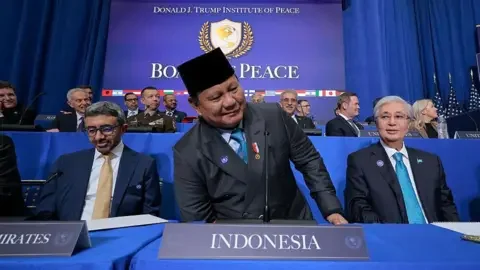
The United States has historically run a trade deficit with Indonesia, ranking it as the 15th largest goods trade deficit for the U.S. This new agreement is presented as a step toward achieving more reciprocal trade and liberating American businesses from what are described as unfair trade practices. The deal was finalized while Indonesian President Prabowo Subianto was in Washington, D.C., attending a meeting for President Donald Trump’s Board of Peace. Officials cited delays in the negotiations due to factors like the U.S. government shutdown.
Read More: FIFA World Cup 2026 Revenue Reaches $15 Billion With New Ticket Prices

Key Provisions of the Trade Deal
The finalized trade deal between the U.S. and Indonesia includes several significant components:

Tariff Adjustments: Indonesia will now face a 19% tariff on its exports to the United States. This is noted as a reduction from previously threatened higher rates.
Market Access for U.S. Goods: Indonesia will reduce trade barriers on a range of American imports. This includes opening its market to:
Agriculture products
Healthcare goods
Seafood
Technology
Car-related products
Exemptions for Indonesian Goods: The U.S. has granted tariff exemptions on certain Indonesian exports. These include specific clothing and textile items made with U.S.-sourced cotton and man-made materials.
Critical Minerals Cooperation: Both nations have agreed to cooperate on critical minerals. Indonesia will facilitate U.S. companies in developing its rare earths infrastructure, which aims to expand the U.S. supply of these vital materials. Indonesia will also allow U.S. companies to extract critical minerals under terms similar to domestic investors.
Investment Facilitation: The U.S. has indicated it will consider offering investment financing through the Export-Import Bank and the U.S. International Development Finance Corporation to support U.S. firms in Indonesia.
Trade Deficit Reduction: A stated goal of the agreement is to help Indonesia reduce its trade surplus with the U.S. and address the broader U.S. trade deficit.
Perspectives on the Agreement
Different parties involved have highlighted various aspects of the trade deal:
United States' Position
The U.S. administration frames the agreement as a landmark deal that provides "unprecedented market access" for Americans and unlocks significant opportunities for U.S. manufacturing, agriculture, and digital sectors. It is seen as a move to challenge unfair trade practices that have disadvantaged American workers and businesses for decades. The deal is also positioned as aligning with a broader strategy to eliminate tariffs on U.S. exports while imposing them on imports, a model reportedly used with other trading partners like Vietnam.
Read More: Australia-US Trade Dispute: New Tariffs Cause Friction
Indonesia's Perspective
Indonesian officials view the finalized deal as beneficial to both countries and expect it to attract greater investment. The agreement is also seen as a way for Indonesia to reduce its trade surplus with the U.S. The lifting of trade barriers on American imports is intended to benefit Indonesian consumers and industries.
Broader Trade Strategy and Similar Agreements
This agreement with Indonesia is part of a wider pattern of trade negotiations and agreements initiated by the Trump administration. Notably, it follows a similar pattern to a deal announced with Vietnam, where a specific tariff rate was set, and market access was discussed. There are also references to preliminary trade deals with the United Kingdom and China, which involved adjustments to tariffs on goods exchanged between those nations. The approach has been described as a departure from traditional negotiation processes, with President Trump sometimes dictating new tariff rates via letters to trade partners.
Read More: Hunter Region Gets $12 Billion Train Factory
Evidence and Sources
BBC News: Reports on the finalization of the deal, mentioning tariff exemptions for Indonesian goods and Indonesia's lifting of barriers for U.S. imports, including agriculture, healthcare, seafood, technology, and cars. It also notes Indonesia's role in rare earths infrastructure development.
White House Fact Sheet: Details the "reciprocal trade" aspect, "unprecedented market access" for Americans, and the goal of liberating the U.S. from "unfair trade practices." It confirms the U.S. runs a trade deficit with Indonesia and highlights President Trump's challenge to long-standing trade imbalances.
https://www.whitehouse.gov/fact-sheets/2026/02/fact-sheet-trump-administration-finalizes-trade-deal-with-indonesia/
CNBC TV18: Confirms the 19% tariff rate and mentions the elimination of duties on Indonesian exports like palm oil, spices, and pharmaceuticals. It also highlights Indonesia's willingness to allow U.S. companies to extract critical minerals and Washington's promise of investment financing.
https://www.cnbctv18.com/world/donald-trump-and-indonesias-prabowo-finalise-trade-deal-slashing-tariff-tate-to-19-ws-l-19854178.htm
U.S. Embassy & Consulates in Indonesia (via Bing): Replicates information from the White House Fact Sheet regarding reciprocal trade, market access, and challenging unfair trade practices, emphasizing the U.S. trade deficit with Indonesia.
https://id.usembassy.gov/fact-sheet-trump-administration-finalizes-trade-deal-with-indonesia/
WTOP News: Links the trade deal to President Prabowo Subianto's visit for the Board of Peace meeting and specifically mentions cooperation on critical minerals as a key element, aiming to safeguard U.S. manufacturers from supply-chain disruptions.
https://wtop.com/business-finance/2026/02/indonesian-leader-signs-trade-deal-with-trump-while-in-washington-for-the-board-of-peace/
CNBC: Reports on President Trump's announcement of the 19% tariff rate, drawing parallels to a deal with Vietnam and noting that Trump has at times bypassed traditional negotiation processes. It also indicates a lack of official comment from the White House on this specific deal.
https://www.cnbc.com/2025/07/15/trump-indonesia-trade-tariffs.html?msockid=2026cb9dab7f6a113137dc9baac06b42
WION: States that President Trump announced the finalization of the trade deal, reducing U.S. export tariffs and imposing a 19% tariff on Indonesian goods. It highlights this as a move to address the U.S. trade deficit and mentions a similar model established with Vietnam.
https://www.wionews.com/business-economy/trump-finalises-trade-deal-with-indonesia-tariff-set-at-19-major-export-commitments-for-us-1752637688790


