


Thousands of small business owners have paid significant amounts in tariffs over the past year, leading to widespread financial strain and a lack of clear answers about future relief or impact. The financial pressures from these duties are forcing difficult decisions, from raising prices to reconsidering business growth and product development.
The Financial Burden of Tariffs
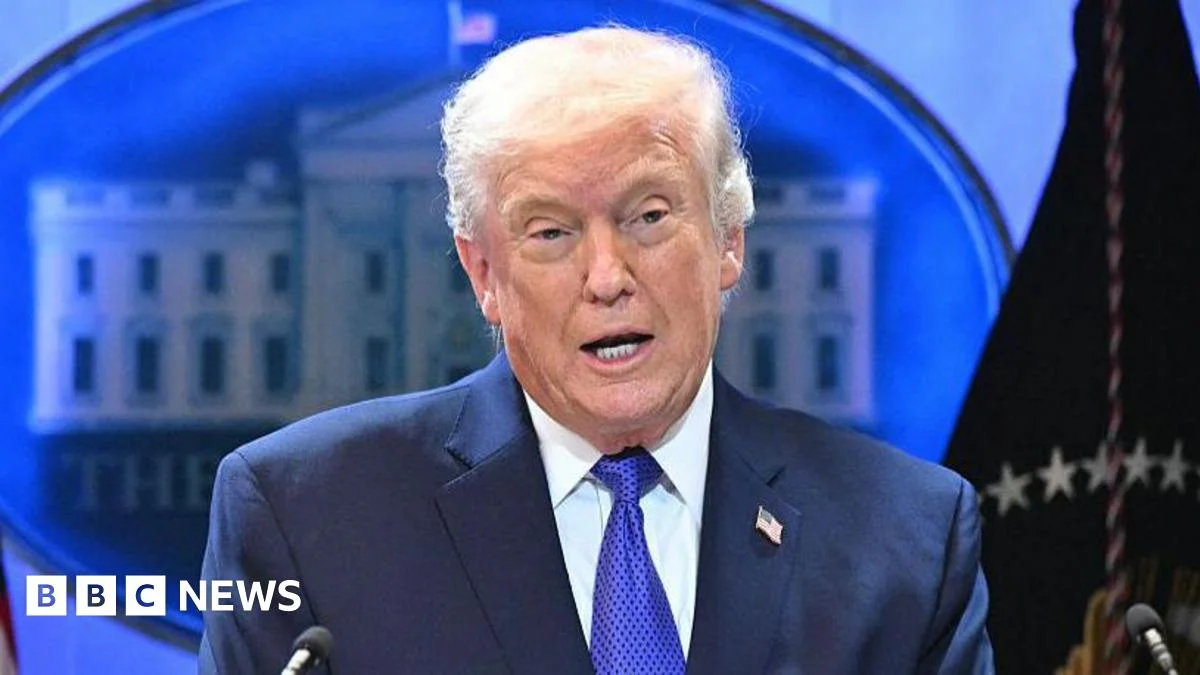
Many small business owners have faced substantial tariff costs on imported goods. This situation has been exacerbated by President Trump's trade policies, which have led to new tariffs on various products. For some, these tariffs were levied on shipments that were already in transit, leaving them with unexpected and unavoidable expenses.
Sarah Wells, owner of Sarah Wells Bags, a 13-year-old business selling items for new mothers, has personally shouldered the cost of two rounds of tariffs this year.
These new duties impacted shipments from China, forcing her to reconsider business operations.
Navigating the Challenges
Small businesses are employing various strategies to cope with the financial impact of tariffs. However, the uncertainty surrounding trade policy makes long-term planning difficult.

Some businesses are raising prices on their goods to offset the cost of tariffs. This carries the risk of alienating customers.
Others are choosing to reduce their orders, pause hiring, or halt the development of new products to conserve capital.
Unlike larger corporations that could afford to stockpile inventory before tariffs took effect, many small businesses lacked the financial flexibility to do so.
Questions on Refunds and Tax Treatment
While some businesses may be eligible for tariff refunds, the process and financial implications remain complex.
Read More: Trump Adds 10% Global Tariff After Supreme Court Blocks Old Ones
Investor relations teams are being pressed by financial analysts to explain their company's tariff exposure and the likelihood of receiving refunds.
A significant unresolved issue is the tax treatment of tariff refunds. This could affect the actual net benefit businesses receive.
Accounting teams are tasked with determining the proper way to record tariff costs and potential refunds on their financial statements, a process that involves documenting various assumptions.
Expert Analysis on Tariff Impact
The ongoing trade policies and resulting tariffs are creating significant challenges for the small business sector.
"Thousands of small business owners have tuned in to our CO— Small Business Update virtual series to learn the latest on tariffs and their impacts. Higher tariffs are posing real challenges to small businesses across the country." - U.S. Chamber of Commerce
The U.S. Chamber of Commerce highlights that these tariffs are not applied to services but directly impact imported goods, a critical area for many small businesses. The uncertainty surrounding President Trump's tariff agenda is described as a threat to the very survival of some operators.
Conclusion and Implications
The data indicates a clear pattern of financial strain on small businesses due to import tariffs. The immediate impacts include increased costs and the necessity of difficult business decisions. The lack of clarity surrounding potential refunds and their tax implications adds another layer of complexity.
The current situation suggests that small businesses are in a precarious position, forced to adapt to unpredictable economic conditions stemming from trade policy.
Further information is needed regarding the mechanisms and timelines for tariff refunds, as well as definitive guidance on their tax treatment, to provide businesses with greater certainty.
Sources Used
Your Company Paid Tariffs. Here's How to Prepare for Possible Refunds. (govfacts.org)
Summary: Discusses the financial implications of tariffs, focusing on potential refunds and their tax treatment, advising accounting teams on balance sheet recognition.
How Tariffs Hurt Small Businesses: Insights and FAQs (uschamber.com)
Summary: Explains that tariffs apply to imported goods and notes the challenges they pose to small businesses, referencing virtual learning series attended by many owners.
Link: https://www.uschamber.com/small-business/small-business-faq-what-you-need-to-know-about-tariffs
Between tariffs and survival, American business owners are doing alarming math (npr.org)
Summary: Features the experience of Sarah Wells, whose business faced costs from new tariffs on imports from China, leading to plans for retrenchment.
Link: https://www.npr.org/2025/04/07/nx-s1-5352833/trump-tariffs-china-manufacturing-businesses
Tariffs could put them under, some small business owners say (cbsnews.com)
Summary: Reports on small business owners' concerns that tariffs threaten their survival, noting their limited cash on hand compared to larger companies and difficulties in setting prices.
Link: https://www.cbsnews.com/news/tariff-small-businesses-future-jeopardy-price-hikes/




)