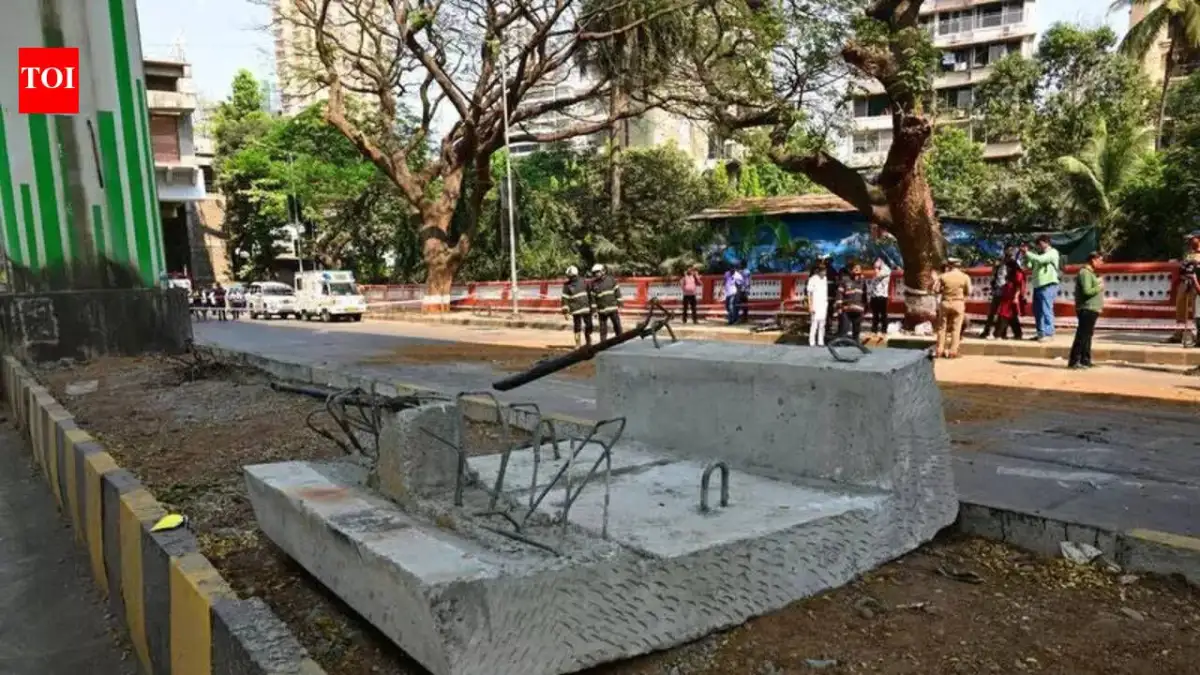
A recent fatal accident on Mumbai's Metro Line 4 has ignited a serious debate about the safety of ongoing infrastructure projects. The collapse of a concrete parapet segment, which killed one person and injured three, has raised probing questions about oversight, the role of consultants, and the overall quality of construction. This incident is not isolated; it follows a pattern of safety concerns that have emerged across various metro lines in the region, prompting swift, albeit reactive, measures from the Mumbai Metropolitan Region Development Authority (MMRDA).
The central issue is the accountability for the fatal accident and the systemic safety checks, or lack thereof, on massive public works projects.
Timeline of Events and Key Actors
The incidents prompting this investigation center around the Metro Line 4 (Wadala–Kasarvadavali) project and its associated corridors. While various metro lines are under construction, attention has sharpened on Line 4 following a critical failure.
Read More: Two building collapses in India kill 6 people
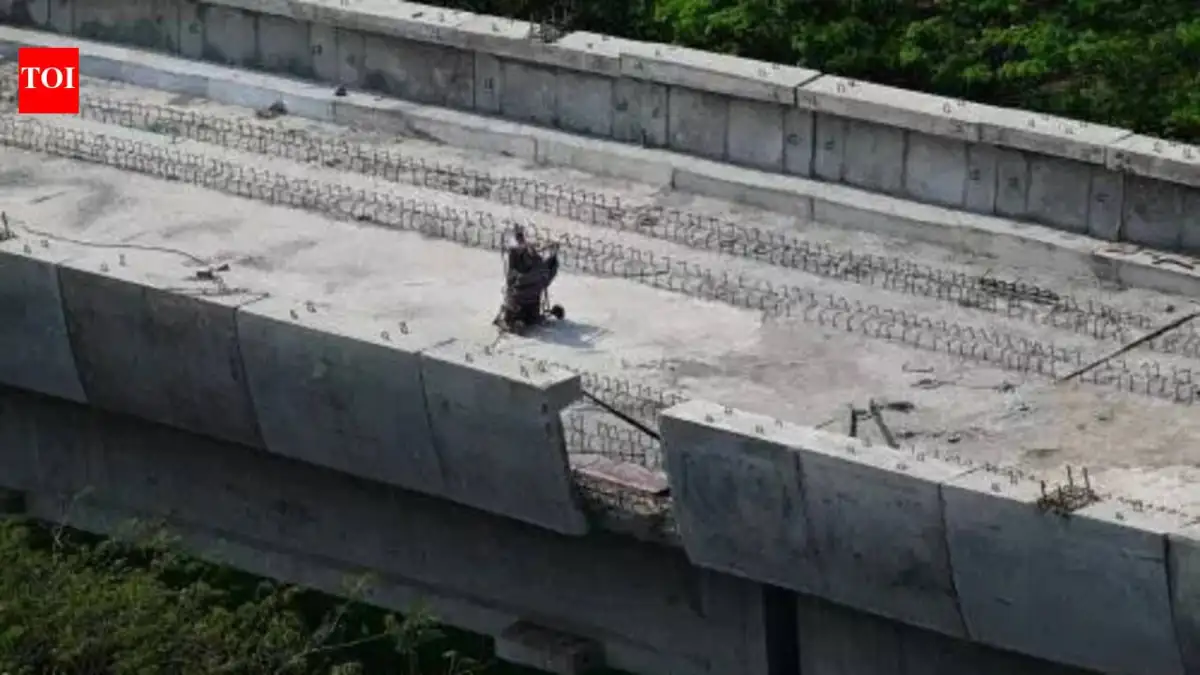
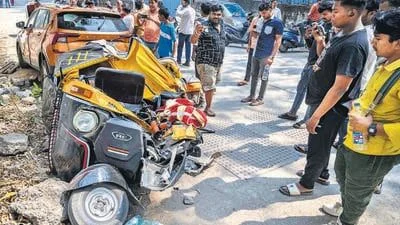
February 14, 2024: A concrete parapet segment from the elevated, under-construction Metro Line 4 viaduct collapsed onto Lal Bahadur Shastri (LBS) Road in Mulund West.
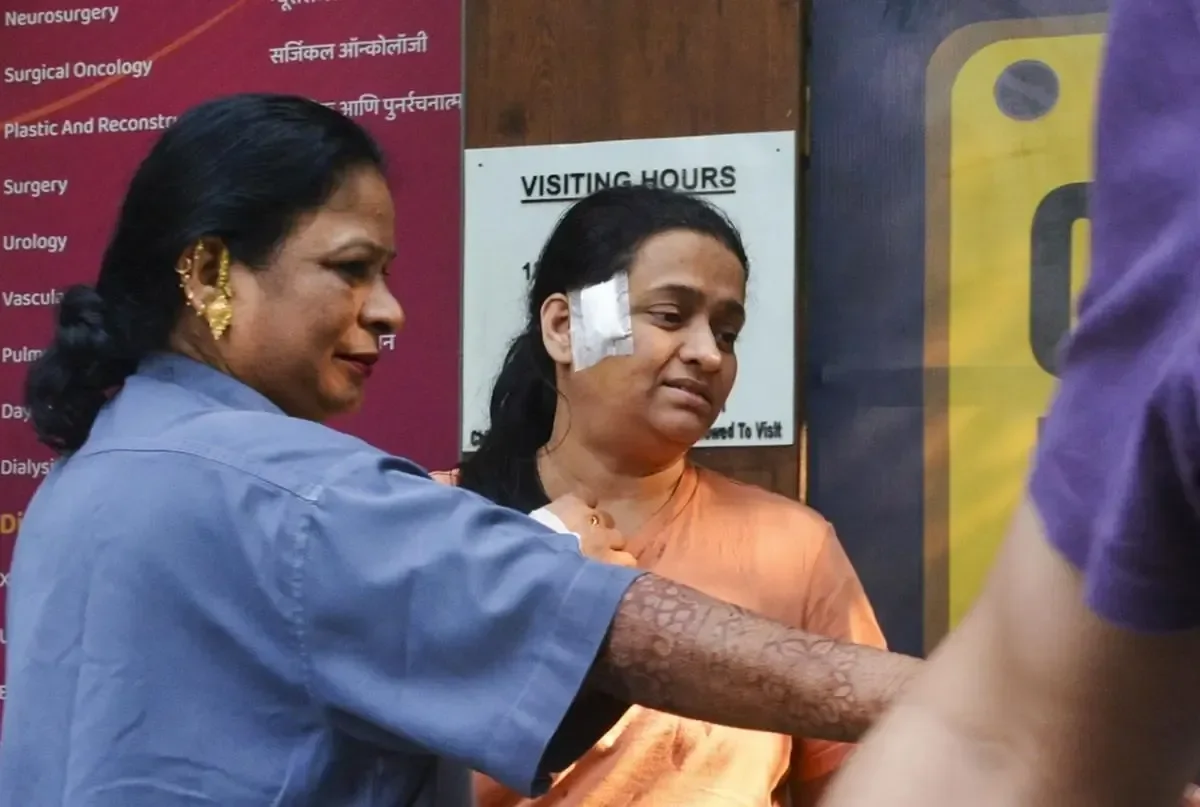
Casualties: Ramdhan Yadav, an auto-rickshaw passenger, died on the spot. Three others, including two relatives of Mr. Yadav, were injured and hospitalized.
Immediate Response: MMRDA imposed a ₹5 crore penalty on the subcontractor Milan Road Buildtech LLP and suspended executive engineer Satyajeet Salve.
Following Days (Late February 2024):
Further suspensions and inquiries were initiated against MMRDA officials, including Superintending Engineer Abhijeet Bhisikar, Deputy Engineer Snehal Sawant, and Chief Engineer Madhukar Kharat.
Arrests were made, including four executives from Milan Road Buildtech LLP and one from Hill International Inc.
The general consultant, identified as a consortium including D B Hill–LBG, Louis Berger, and Hill International Inc, faced termination of its contract.
Fines were levied against contractors and the general consultant, totaling ₹5 crore for the contractor and ₹1 crore for the consultant.
Recent Weeks (Early March 2024):
Public representatives, such as BJP MLA Mihir Kotecha, have called for comprehensive third-party quality and safety audits of the entire Metro Line 4.
MMRDA announced plans for extensive safety inspections across multiple under-construction metro corridors.
Discussions arose regarding compensation for the victims' families.
Evidence of Lapses and Concerns
Multiple reports highlight a pattern of alleged negligence and a potential lack of stringent oversight on the Metro Line 4 project.
Consultant's Record: The general consultant for Metro Line 4 is reported to have ignored over 150 notices regarding delays and lapses over a period of two-and-a-half years. This suggests a sustained disregard for warnings about project execution.
Citizen Complaints: Following the collapse, approximately 500 complaints were reportedly received from citizens flagging perceived faulty construction on Metro Line 4.
Prior Negligence Flags: BJP MLA Mihir Kotecha claimed that negligence was flagged at 55 locations on Metro Line 4 before the fatal incident, indicating prior knowledge of potential issues.
Inadequate Supervision: Reports suggest critical work was carried out without proper supervision, contrary to Standard Operating Procedures (SOPs). Specifically, one report indicated that only two hooks were used for lifting a part of the bridge, where four were required.
MMRDA's Actions: The MMRDA's formation of a Special Intensive Safety Inspection Team and a Mandatory Corridor-wide inspection program for Metro Line 4, alongside the suspensions and terminations, implicitly acknowledges the existence of significant safety concerns.
Dubious Consultancy and Oversight
The role of the general consultant has come under intense scrutiny. The consortium was tasked with monitoring site activities and ensuring quality, yet it appears to have failed in this critical function.
Contract Termination: The termination of the D B Hill–LBG consortium, also involving Louis Berger and Hill International Inc, signals a severe breach of contractual obligations related to oversight.
Ignoring Warnings: The existence of over 150 ignored notices points to a possible pattern of the consultant dismissing warnings from the MMRDA or other bodies. This raises the question of what enforcement mechanisms were in place and why they were not effectively utilized earlier.
Accountability Gap: While the contractor and subcontractors have faced penalties and arrests, the extent of the consultant's culpability and the MMRDA's role in allowing such a situation to persist is a key area of inquiry.
Government Apathy and Public Reaction
The incident has sparked public outcry and demands for greater accountability from government agencies.
Citizen Engagement: Alert citizens have been actively flagging what they perceive as faulty construction on social media, underscoring a gap in official monitoring.
Political Pressure: Elected officials, like MLA Mihir Kotecha, have taken direct action, inspecting sites and demanding third-party audits, reflecting public anxiety and a perceived lack of proactive government intervention.
Compensation Disputes: Families of the deceased have expressed dissatisfaction with the initial compensation offers, seeking significantly higher amounts and emphasizing that the tragedy was a result of negligence.
Safety Concerns Across Metro Network
The Metro Line 4 incident has broadened concerns to other ongoing metro projects within the Mumbai Metropolitan Region.
Widespread Inspections: MMRDA is initiating inspections across Metro Line 2A, 2B, 4A, 5, 6, 9, and 12, indicating that safety concerns may not be confined to a single project.
Public Confidence: The repeated incidents and subsequent investigations put public trust in the safety and execution of these large-scale infrastructure projects under considerable strain.
Expert Analysis
"The sheer number of notices allegedly ignored by the consultant, coupled with prior negligence flags, suggests a systemic failure. The question isn't just about if the rules were broken, but why the enforcement mechanisms failed to prevent a tragedy." - Unnamed Infrastructure Safety Analyst
"When projects of this magnitude are underway, a robust, independent oversight mechanism is paramount. Relying solely on the consultant for self-monitoring, especially when they are allegedly unresponsive to warnings, is inherently risky." - Unnamed Urban Planning Consultant
Conclusion and Next Steps
The fatal collapse on Metro Line 4 reveals significant alleged lapses in project execution and oversight. The involvement of multiple parties, from contractors and subcontractors to the general consultant and MMRDA officials, complicates the attribution of ultimate responsibility.
Findings: Evidence suggests a pattern of ignored warnings, inadequate supervision, and potentially substandard work, exacerbated by a perceived delay in decisive action by regulatory bodies. The incident highlights a critical need for more effective and immediate enforcement of safety protocols.
Implications: The long-term implications include potential project delays, increased costs due to further audits and rectifications, and a critical erosion of public trust in the safety of Mumbai's expanding metro network.
Next Steps:
Thorough Investigation: A comprehensive, independent inquiry is necessary to establish definitive fault and accountability across all parties.
Third-Party Audits: The requested third-party quality and safety audits for Metro Line 4 and other ongoing projects need to be conducted with utmost rigor.
Regulatory Review: An examination of the MMRDA's oversight procedures and the effectiveness of its contractual enforcement mechanisms is warranted.
Victim Support: Ensuring fair and timely compensation for the victims and their families remains a priority.
The ongoing safety inspections and actions taken by MMRDA represent reactive measures. A more proactive and stringent approach to safety and quality control is essential to prevent future occurrences and ensure the integrity of the city's vital infrastructure development.
Read More: Mumbai Red Alert July 2026 Causes School Closures and Train Delays
Sources
The Hindu: Metro 4 incident: Story of negligence, government apathy, dubious consultancy, and safety concerns - Published: 15 minutes ago
Hindustan Times: Mumbai metro pillar collapse: Consultant ignored 150 notices for shoddy work, MMRDA let it slide - Published: 3 days ago
Frontline: Mumbai metro Line 4 Accident in Mumbai Kills Passenger, Raises Safety Concerns (2026) - Published: 3 days ago
The Times of India: Metro 4 cement block collapse in Mumbai: MMRDA suspends two more officials, orders departmental inquiry against chief engineer, moves to terminate project’s general consultant | Mumbai News - The Times of India - Published: 4 days ago
The Times of India: BJP MLA demands third-party quality and safety audit of entire Metro 4 after complaints | Mumbai News - The Times of India - Published: 3 days ago
Mathrubhumi: Metro 4 disaster: Reliance Infrastructure faces ₹5 crore fine, 5 arrested for safety lapses - Published: 1 week ago
Hindustan Times: More heads roll in MMRDA for Metro 4 mishap, consultant to be sacked - Published: 4 days ago
Free Press Journal: Mumbai News: MMRDA Fires Top Consultants After Metro 4 Accident, Contractor Fined ₹5 Crore - Published: 3 days ago
The Times of India: ‘Why should we accept less than Rs 1 cr?’: Kin of Mumbai Metro-4 slab collapse victim seek higher compensation | Mumbai News - The Times of India - Published: 5 days ago
Mid-Day: Mumbai Metro Line-4 slab collapse: Officials finally inspect the Metro 4 corridor - Seen on: Brave
El-balad: MMRDA Fires Consultant Amid Metro 4 Incident Fallout - Published: 4 days ago
Hindustan Times: Metro slab collapse kills 1 in Mulund; 5 held - Published: 1 week ago
Mumbai Mirror: Mulund mishap fallout: All under-construction lines to be audited - Published: 3 days ago
Mid-Day: Mumbai Metro Line 4 slab collapse: Sarpanch’s family seeks justice, compensation as two still in ICU - Published: 5 days ago
The Indian Express: After Line 4 audit, the authority plans similar inspections across other under construction metro corridors in the Mumbai Metropolitan Region, including Lines 2B, 4A, 5, 6 and 9. - Published: 3 days ago
Mid-Day: Mumbai Metro Line 4 slab collapse: Negligence at 55 locations flagged before Metro mishap in Mulund, MLA Mihir Kotecha claims - Published: 1 week ago
Mid-Day: Mumbai Metro Line 4 slab collapse: MMRDA announces financial assistance to victims, writes to police for strict action - Seen on: Brave
Mid-Day: Mumbai Metro Line-4 slab collapse: MMRDA forms high-level inquiry committee - Published: 1 week ago
The Indian Express: After fatal Mulund collapse, MMRDA orders corridor wide safety audit of Metro Line 4 - Published: 5 days ago