A recent U.S. Supreme Court decision has overturned a significant portion of tariffs imposed by former President Donald Trump, specifically those enacted under the International Emergency Economic Powers Act (IEEPA). While this move is a setback for Trump's economic policies, it has a mixed impact on global trade, including for Canada. Tariffs enacted under different laws, such as Section 232 for national security reasons, remain in place, leaving a complex situation for international commerce and potential future trade disputes.
The U.S. Supreme Court ruled that President Trump exceeded his authority by imposing widespread tariffs using the IEEPA, a law typically reserved for national emergencies. This decision impacts tariffs imposed on major trading partners like Canada, Mexico, and China. However, tariffs related to national security and specific sectors, such as those on steel and aluminum under Section 232, were not affected by this ruling. The ruling has also raised questions about the future of potential refunds for businesses and consumers who paid these tariffs, with officials suggesting such processes could be complicated and lengthy.
Read More: Supreme Court May Order Ayodhya Temple Fund Audit Due to Theft Claims

Key Developments and Affected Tariffs
The Supreme Court's decision on Friday invalidated tariffs imposed under the International Emergency Economic Powers Act (IEEPA). These were often described as broad, global tariffs enacted using executive emergency powers.
Tariffs Overturned:
IEEPA-based tariffs on Canada, Mexico, and China.
Tariffs on India over Russian oil.
Tariffs Remaining:
Section 232 tariffs on steel and aluminum.
Product-specific tariffs on copper, wood products, cars, and trucks.
The core of the ruling centers on the IEEPA, with other legal avenues for tariffs remaining unaffected.
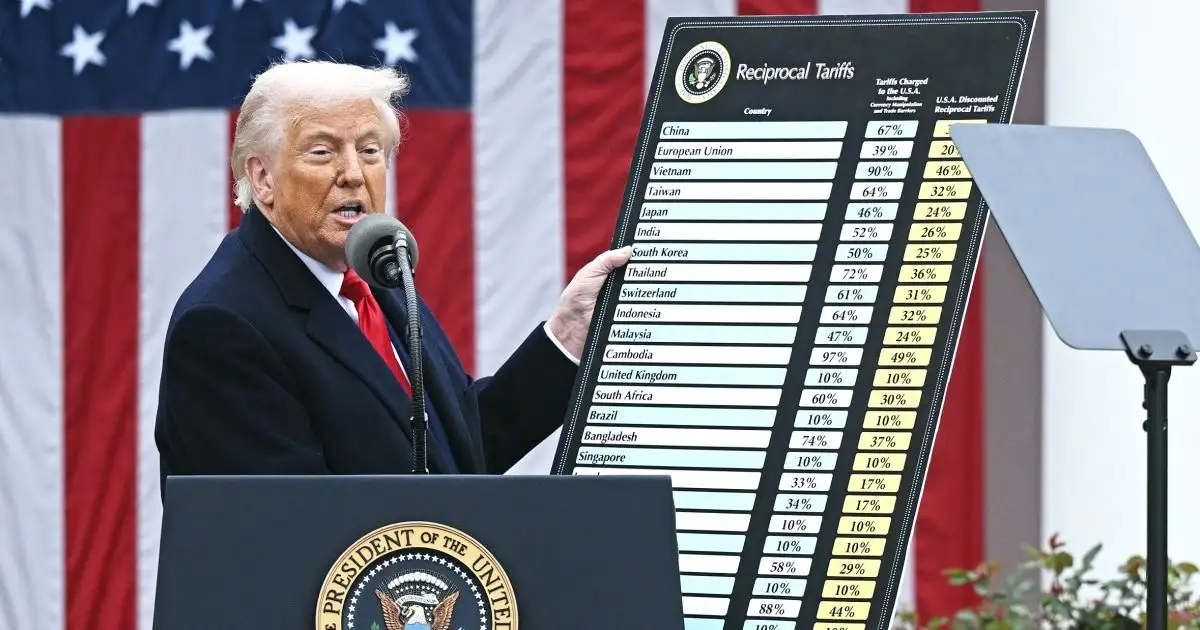
Impact on Canada
While the U.S. Supreme Court's decision has removed some tariffs that affected Canada, it does not represent a complete reprieve from trade barriers.
IEEPA Tariffs Lifted: Tariffs imposed on Canada under IEEPA are now overturned.
Section 232 Tariffs Persist: Tariffs on Canadian steel and aluminum products, enacted under Section 232, remain in place. These were previously lifted after the negotiation of the CUSMA trade agreement.
Uncertainty on Future Tariffs: It remains unclear if Canada will be subject to any new tariff threats Trump may propose using different legal bases.
Canada sees some tariff relief but continues to face trade measures under different U.S. legal frameworks.
Legal Basis and Presidential Authority
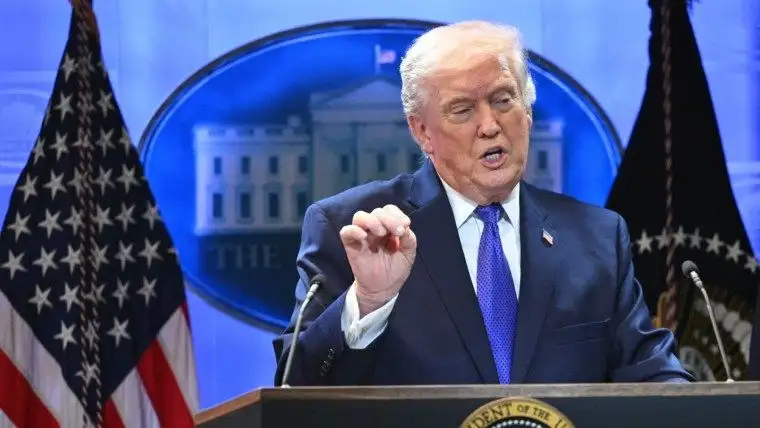
The Supreme Court's decision is rooted in an interpretation of U.S. law regarding the division of powers between the executive and legislative branches.
Congressional Authority: The ruling suggests that the U.S. Constitution grants Congress, not the President, the primary authority to levy taxes and tariffs on foreign countries.
IEEPA Interpretation: The Court found that the IEEPA does not grant the President the power to impose broad tariffs.
Executive Overreach: The decision implies that Trump exceeded his executive authority by using emergency powers for these specific tariffs.
"The Supreme Court struck down Trump's sweeping global tariffs imposed under emergency powers, voiding duties on major trading partners while leaving national security and sector-specific tariffs largely intact." - India Today
The court's decision highlights a fundamental disagreement over the scope of presidential power in imposing international trade duties.
Read More: US May Add Tariffs on Australian Goods Due to Forced Labour

Economic and Financial Implications
The overturning of these tariffs has led to discussions about potential refunds and broader economic impacts.
Potential Refunds: The Trump administration has indicated that companies could receive refunds for unlawfully collected tariffs without needing to sue, though the process is expected to be complicated and potentially take a year.
Revenue Reduction: A reduction in tariffs means less government revenue is available for spending.
Market Reaction: Stock markets reacted positively to the news of the ruling, suggesting that the business community viewed the tariffs as a drag on the economy.
"Refunds are expected to be complicated and Treasury Secretary Scott Bessent has said they could take a year." - USA Today
The financial consequences of the ruling are complex, involving potential reimbursements and a reduction in government revenue, with markets showing a favorable response.
Expert Analysis and Future Considerations
The Supreme Court's ruling has drawn commentary from various sources, focusing on its implications for future trade policy and executive power.
Setback for Economic Agenda: The decision is seen as a significant blow to Trump's signature economic policies and his approach to international trade.
Alternative Measures: Trump has reportedly discussed alternative tariff strategies, though it is unclear if these would have the same reach or impact as those overturned.
"Payback" Concerns: Trump has warned of potential "payback" from countries affected by tariffs, raising concerns about future trade relations.
"The court upheld a ruling from the U.S. Court of Appeals for the Federal Circuit that ruled Mr. Trump's tariffs were illegal." - CBS News
The ruling reinforces the limitations on presidential tariff powers and signals potential future conflicts over trade policy.
Conclusion and Next Steps
The U.S. Supreme Court's decision to strike down key Trump-era tariffs under IEEPA represents a significant legal and economic development. While it provides some relief to countries like Canada, trade relations remain complicated by existing Section 232 tariffs and the potential for future executive actions.
Tariff Landscape: The U.S. tariff landscape is now bifurcated: IEEPA tariffs are voided, while national security and sector-specific tariffs persist.
Refund Process: The complicated process of refunding collected tariffs is a major concern, with potential delays and administrative challenges.
Future Trade Policy: The ruling will likely shape future approaches to imposing tariffs, emphasizing the role of Congress and potentially leading to new legislative battles over trade powers.
The immediate future involves navigating the refund process and understanding the precise implications of the continued tariffs. The longer-term impact will depend on subsequent policy decisions by the U.S. administration and reactions from affected trading partners.
Read More: Trump Pardons 11 for Clean Air Act Violations
Sources Used:
CBC News: https://www.cbc.ca/news/politics/supreme-court-trump-tariffs-impact-canada-9.7100221 - Provided details on the impact on Canada and the distinction between IEEPA and Section 232 tariffs.
India Today: https://www.indiatoday.in/world/story/which-trump-tariffs-did-us-supreme-court-strike-down-explained-2871892-2026-02-21 - Offered a breakdown of which tariffs were struck down, including those on India and major trading partners.
CBS News: https://www.cbsnews.com/news/supreme-court-tariffs-decision-trump/ - Detailed the ruling's blow to Trump's economic agenda and the legal basis (IEEPA).
USA Today: https://www.usatoday.com/story/news/politics/2026/02/20/tariffs-trump-supreme-court-refunds-trade-deals/88103891007/ - Discussed the issues arising from the ruling, including refunds and revenue impacts.
CNBC: https://www.cnbc.com/2026/02/20/supreme-court-trump-tariffs-ruling-your-money.html?msockid=29d617d1954f6ef638a400d7942d6fc5 - Focused on the financial implications for consumers and businesses, including the uncertainty of refunds.
NBC News: https://www.nbcnews.com/politics/supreme-court/supreme-court-strikes-trumps-tariffs-major-blow-president-rcna244827 - Provided a broad overview of the ruling's impact as a blow to Trump and noted market reactions.
AP News: https://apnews.com/article/supreme-court-tariffs-trump-0485fcda30a7310501123e4931dba3f9 - Highlighted the stinging loss for Trump and mentioned that the decision doesn't prevent duties under other laws.
Sky News: https://news.sky.com/story/trump-latest-tariffs-snubbed-by-supreme-court-13509871 - Explained the constitutional basis for the ruling, focusing on Congress's authority over tariffs.