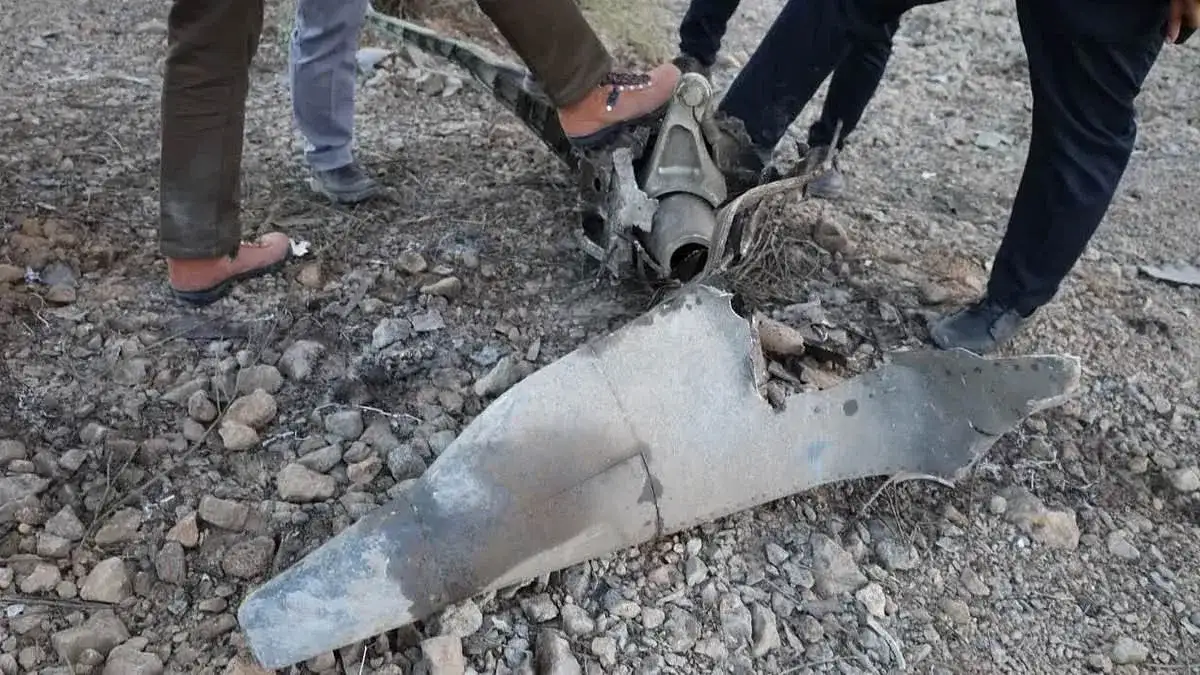
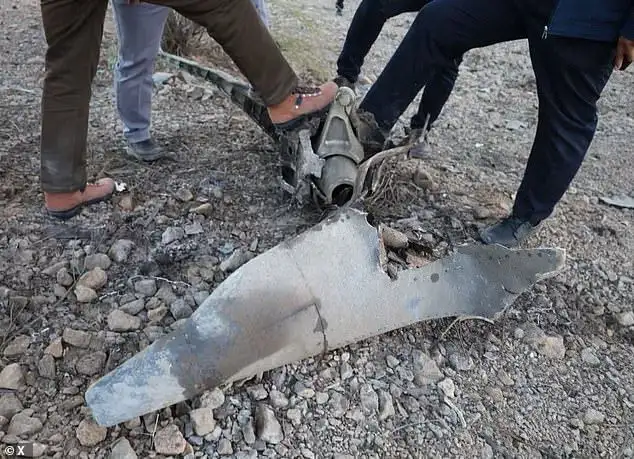
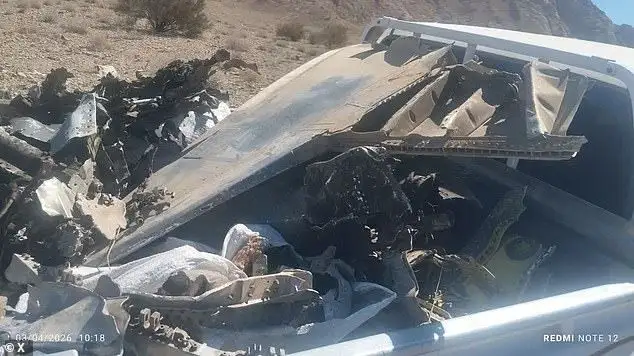
Tehran, Iran – State media in Iran has released footage purporting to show wreckage from an "enemy" drone, which officials claim was shot down one day prior. The broadcast follows closely on the heels of the Iranian Foreign Minister's description of a "fruitful" visit to China, where discussions reportedly covered "pressing issues."
Iran's latest release of imagery depicting downed aerial craft aligns with a pattern of asserting military capability and highlighting perceived aggressions from external actors. The specific identity of the drone, or the circumstances surrounding its alleged downing, remain unconfirmed by external sources.
Past Incidents and Shifting Narratives
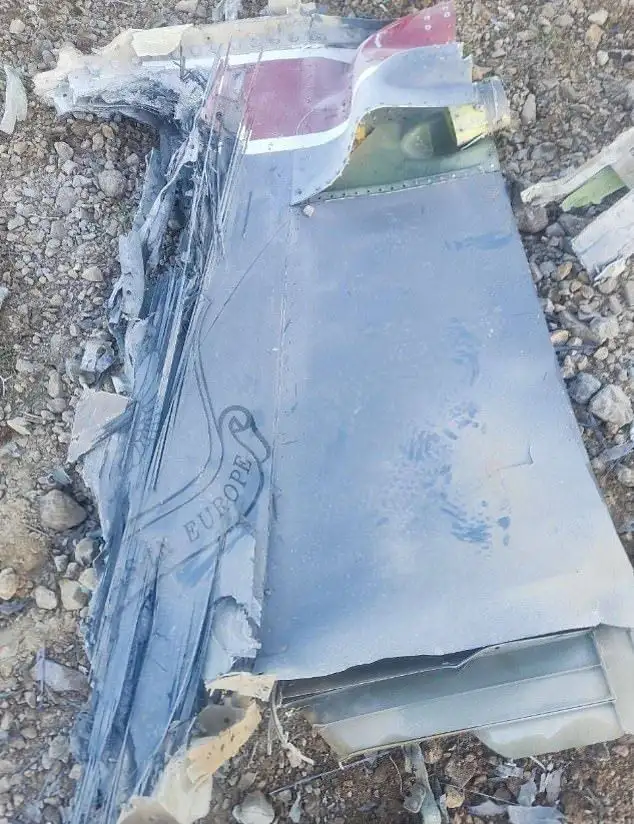
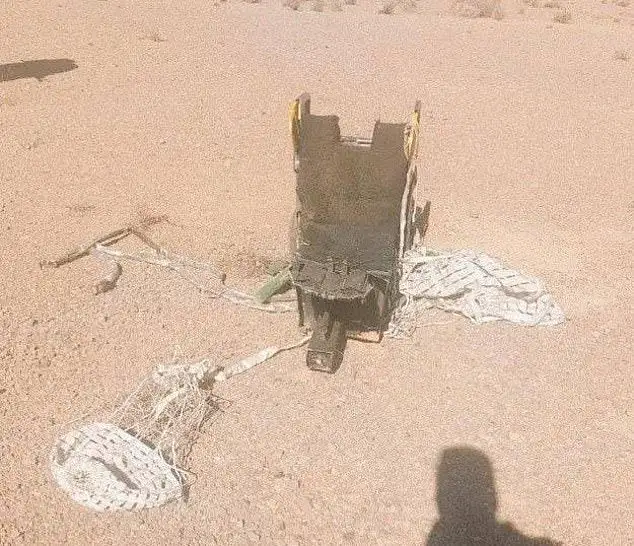
This incident occurs against a backdrop of a protracted conflict and a complex information environment. In April 2026, Iran shared images of what it claimed was downed F-35 wreckage, though independent analysis suggested the debris actually belonged to a US Air Force F-15E Strike Eagle. This instance saw one of the F-15E's two crew members rescued, while the other remained unaccounted for.
Read More: Iran-US Talks Deadlocked, War Risk Rises
Iranian parliamentary speakers at the time offered taunts directed at the United States, following earlier declarations from US officials, including President Trump, claiming air superiority and nearing victory in the conflict.
More recently, on May 4, 2026, the Iranian Navy disseminated a video, described as originating from a drone, which it claimed demonstrated the failure of a US attempt to establish a "corridor" in the Strait of Hormuz. Tehran used this to underscore its continued military presence in the strategically vital waterway.
Broader Context of Iranian Leadership and Regional Dynamics
The drone wreckage report also surfaces nearly a year and a half after the May 2024 helicopter crash that claimed the lives of Iran's president, Ebrahim Raisi, and Foreign Minister Hossein Amirabdollahian, along with several other officials. That event triggered constitutional procedures for a new presidential election within 50 days, with the first vice-president, Mohammad Mokhber, assuming the presidency in the interim.
Read More: Israel Faces Questions Over Gaza Flotilla Participant Treatment
The conflict environment has also seen other notable aerial engagements. In March 2026, reports surfaced detailing how Iran's drone technology was reportedly challenging US and allied defenses.
The ongoing series of events – from drone footage and claims of downed enemy craft to past aircraft losses and significant leadership changes – paints a picture of a persistent, multifaceted regional struggle characterized by competing narratives and a constant display of military posturing.