US TO ESCORT VESSELS THROUGH STRAIT OF HORMUZ
Donald Trump has declared a new initiative, dubbed 'Project Freedom,' which purports to escort foreign ships through the Strait of Hormuz under United States protection. This strategic declaration signals a potential escalation in regional maritime security policies, asserting a more direct US role in navigating one of the world's busiest and most sensitive waterways. The specifics of 'Project Freedom,' including the exact operational framework and diplomatic engagement with regional powers, remain largely undefined in the public domain.
ECONOMIC POLICY ADJUSTMENTS
Separately, the US administration has implemented new tariffs on pharmaceuticals. This move, aimed at reshaping trade dynamics, has drawn sharp criticism from international pharmaceutical bodies. The Swiss association Interpharma has voiced concerns, warning that these tariffs could disrupt global production and supply chains for medicines, potentially hindering research and development efforts and ultimately impacting patient care worldwide. The new tariff applies to patented medications.
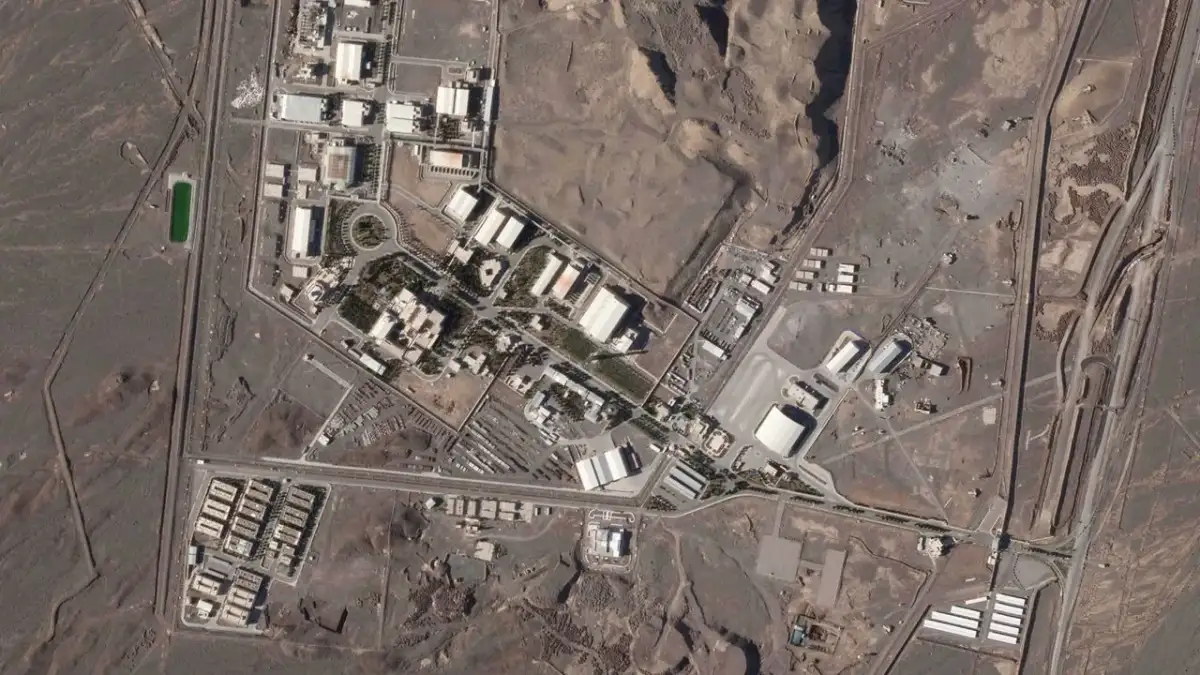
Read More: Iran Zagros Mountain Nuclear Site Construction Update April 2026
BACKGROUND: A PATTERN OF UNCERTAINTY
This confluence of pronouncements from the Trump administration – a assertive stance on international waterways coupled with a protectionist trade policy on essential goods – contributes to an evolving geopolitical and economic landscape.
The 'Project Freedom' announcement, while drawing attention, offers little concrete detail on its operational scope or the anticipated reactions from nations with vested interests in the Strait of Hormuz. Its framing as a security measure juxtaposes with an apparent emphasis on unilateral action, raising questions about regional collaboration and long-term stability.
The imposition of new tariffs on medicines follows a broader pattern of the US administration employing trade mechanisms to achieve policy objectives. Previous actions have targeted various sectors, often leading to international friction and market adjustments. The pharmaceutical sector, with its intricate global supply chains and direct impact on public health, presents a particularly sensitive arena for such policies. The long-term ramifications for innovation and access to treatments are subjects of ongoing debate and concern among industry stakeholders and international health organizations.
Read More: Trump Proposes Tariffs on 59 Nations and EU