


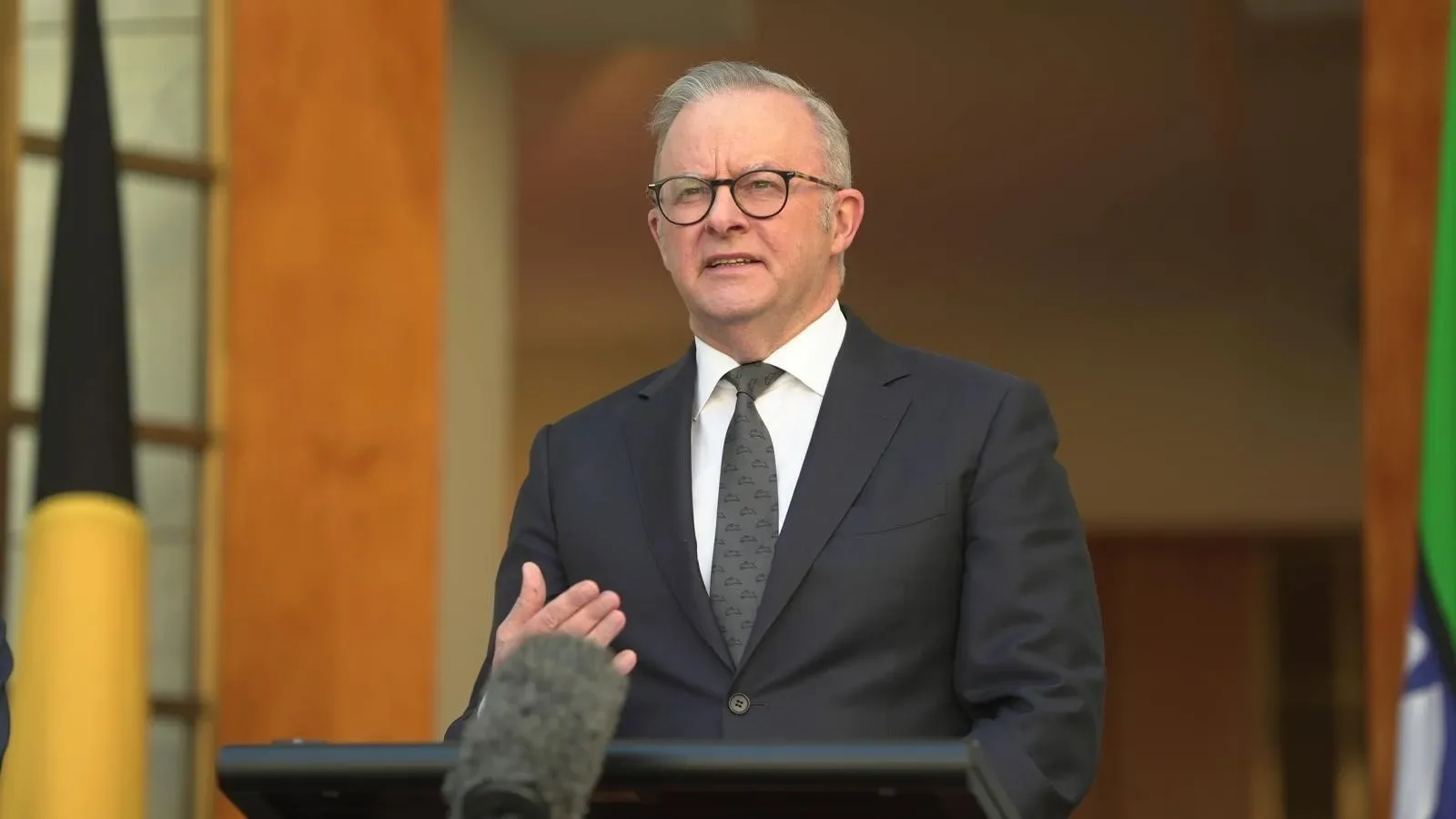
Canberra's urgent mission to Singapore aims to bolster Australia's diminishing fuel reserves. Prime Minister Anthony Albanese is in the island nation this week, seeking to secure critical petrol and diesel supplies. This diplomatic push comes as petrol prices have ceased their downward trend, and diesel costs are escalating once more. The move highlights Australia's significant reliance on imported fuel, with Singapore serving as its primary source for refined petroleum products.
The urgency of the situation is underscored by widespread, albeit localized, fuel shortages reported across several Australian states. Dozens of service stations have run dry of both petrol and diesel, particularly in regional areas, exacerbating concerns over supply chain stability.

Leveraging International Ties for Domestic Stability
Albanese's visit is framed as a strategic bid to "keep fuel flowing" into Australia, a nation that imports approximately 90% of its liquid fuels. Singapore alone accounts for over half of Australia's petrol imports. The trip involves discussions with Singaporean Prime Minister Lawrence Wong regarding fuel security, with a specific focus on leveraging Australia's Liquefied Natural Gas (LNG) in exchange for Singapore's oil-based fuels. This mutual dependence forms the backbone of the current diplomatic efforts.
Read More: Taiwan Holds Nantou County Drills to Prepare for State Collapse
The Australian government has already taken steps to mitigate the immediate crisis. It has agreed to underwrite contracts with major fuel importers, Ampol and Viva Energy, to purchase gasoline and diesel at prices exceeding normal commercial rates. This financial backing is intended to encourage the procurement of fuel on the spot market, thereby accelerating shipments to Australia.

"We have a clear statement that I issued with Prime Minister Wong." – Prime Minister Anthony Albanese
Global Tensions Fuel Domestic Concerns
The broader context for Albanese's Singapore trip is the escalating geopolitical uncertainty in the Middle East, specifically the conflict involving Iran. Disruptions to oil flows through the Strait of Hormuz have impacted refining operations across Asia, compelling Australia to seek supplies from more distant, and therefore costlier, sources. While a ceasefire between the US and Iran has been reported, officials warn that the effects on fuel supply chains will have a "long tail," meaning prolonged disruptions are still anticipated.
Read More: FIFA World Cup 2026 Revenue Reaches $15 Billion With New Ticket Prices
This global instability has already begun to affect domestic prices. Average unleaded prices have started to climb again in some Australian cities, despite previous government measures like a cut to the fuel excise. Wholesale diesel prices have reached record highs.

Shifting Consumer Habits Amidst Uncertainty
The ongoing fuel pressures are also catalyzing a shift in consumer behavior. Sales of electric vehicles and e-bikes have seen a notable surge, as Australians seek more economical alternatives to traditional fuel-powered transport. This trend, while already in motion, has been significantly accelerated by the recent fuel cost anxieties.
"We expect reciprocal arrangements." – Prime Minister Anthony Albanese
Background and Interdependence
Australia's energy relationship with Singapore is characterized by a significant interdependence. While Singapore is a crucial supplier of refined petroleum products to Australia, Australia is a major provider of LNG to Singapore. Singapore's commitment to maintaining exports, even as raw material availability fluctuates, is vital for regional energy stability. This intricate regional market is currently experiencing increasing pressure on spot LNG prices in Asia.
Read More: FBI Analysts Review Georgia 2020 Election Data in Fulton County
In an effort to understand and manage the unfolding crisis, the New South Wales government has begun reviewing sensitive distribution data provided by petrol companies. This data is intended to inform decisions should the situation deteriorate further.
The federal government has also been actively engaging with other regional neighbours about fuel supply and has signaled its intent to encourage fuel companies to maximize their purchases from available sources. Despite these efforts, the immediate future of fuel availability and pricing in Australia remains subject to complex global dynamics and supply chain vulnerabilities.







