Americans are voicing widespread discontent with the pervasive presence of ultraprocessed foods (UPFs), fueling a burgeoning movement demanding stricter oversight. This sentiment is increasingly translating into tangible action, with health advocacy groups, scientists, and a growing segment of the public coalescing to challenge an industry long resistant to change. The core of the concern centers on the documented links between UPFs and a host of serious health issues, including rising rates of obesity, chronic diseases, cognitive decline, and even premature death.
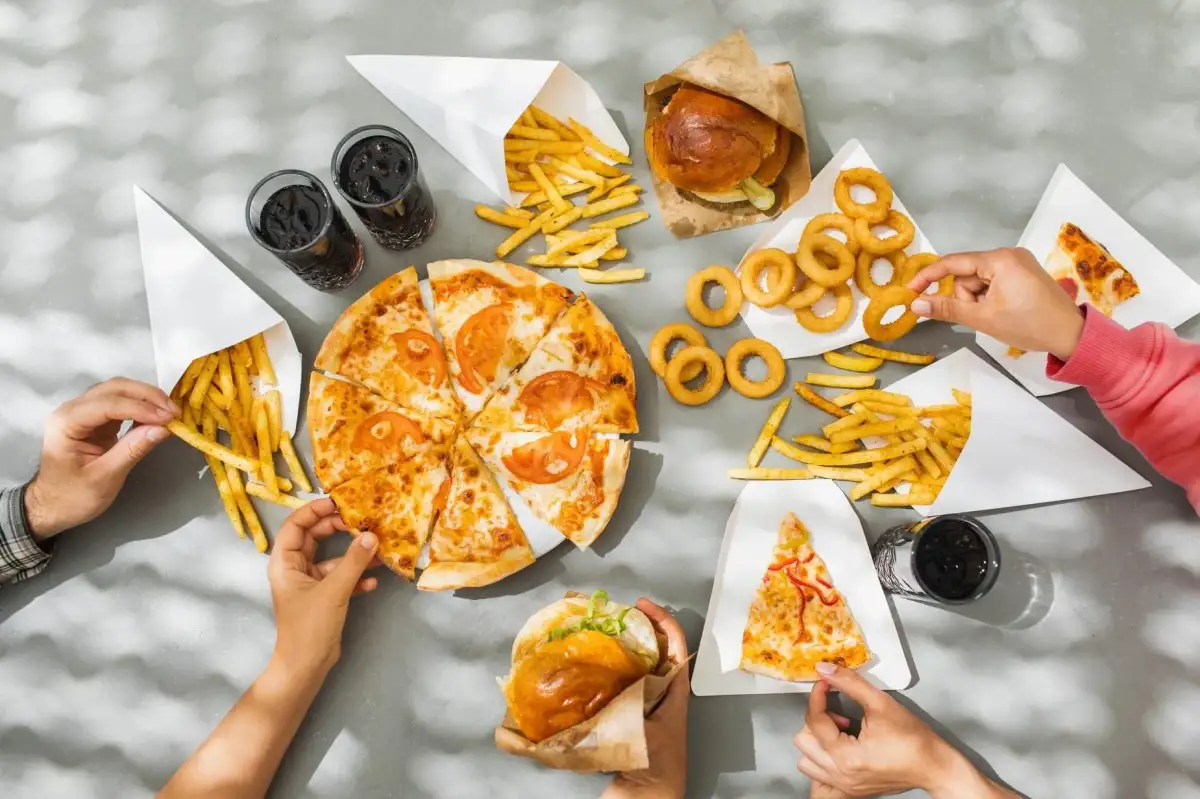
The scientific community and public health advocates are amplifying calls for stricter regulations, citing a growing body of evidence connecting ultraprocessed foods to detrimental health outcomes. Concurrently, legal and political avenues are being actively pursued, with state-level policies and high-profile lawsuits emerging as significant pressures on food manufacturers.
Groundswell of Discontent Fuels Policy Shifts
A significant development in the ongoing debate over ultraprocessed foods is the apparent public exhaustion with perceived inaction from both industry giants and government bodies. This discontent has manifested in a coordinated push for reform, notably through the "Fed UP!" movement, which is gaining traction across the United States. This campaign highlights concerns not only about the general health impacts of UPFs but also draws attention to emerging research suggesting a connection between these products and conditions such as Alzheimer's disease and other forms of cognitive impairment.
Read More: India IVF Costs And Social Barriers Limit Access In April 2026

The 'Fed UP!' movement is actively focusing its efforts on the US market, where ultraprocessed food consumption is notably high.
Health advocacy organizations are aligning with this movement, amplifying its message and demands.
Dr. Kerri-Ann Stewart and Dr. Mark Chartres, key figures in the scientific discourse, are lending their expertise to this cause. Dr. Chartres, in his role as associate editor for the American Journal of Public Health, oversaw a special edition dedicated to ultraprocessed foods.
Regulatory and Legal Arenas See Escalation
Beyond public outcry, concrete policy and legal challenges are emerging. California took a notable step in October 2025 by enacting a law that will gradually remove ultraprocessed foods from school meal programs. This was followed in December 2025 by San Francisco filing a lawsuit against several prominent food companies, alleging that their UPF products have contributed to a public health crisis. These actions signal a potential shift in how UPFs are being addressed at both state and federal levels, even as the precise definition and full spectrum of their health effects remain subjects of ongoing discussion and research.

San Francisco's lawsuit represents a significant legal challenge, with some observers likening its potential impact to a "Mississippi moment" for the UPF industry, referencing historical legal battles that reshaped industries.
Plaintiffs' attorneys are increasingly targeting UPFs, with a landmark lawsuit filed in December 2024 alleging that UPFs were responsible for a teenager's severe health issues, including fatty liver disease and Type II diabetes.
Legal experts anticipate further scrutiny, with potential mandates for warning labels on specific ingredients becoming a distinct possibility.
Consumer Tastes and Industry Challenges
The intensifying scrutiny of ultraprocessed foods is occurring against a backdrop of evolving consumer preferences. A growing number of consumers, particularly younger demographics, are actively seeking out products that cater to specific health concerns like gut health and sleep quality. This shift is benefiting health-oriented food brands and retailers, as market share in wellness-focused food categories continues to grow.
Read More: Whey Protein Shortage Hits UK Stores After Food Industry Demand
For years, health-conscious consumers have driven the demand for wellness-oriented food brands.
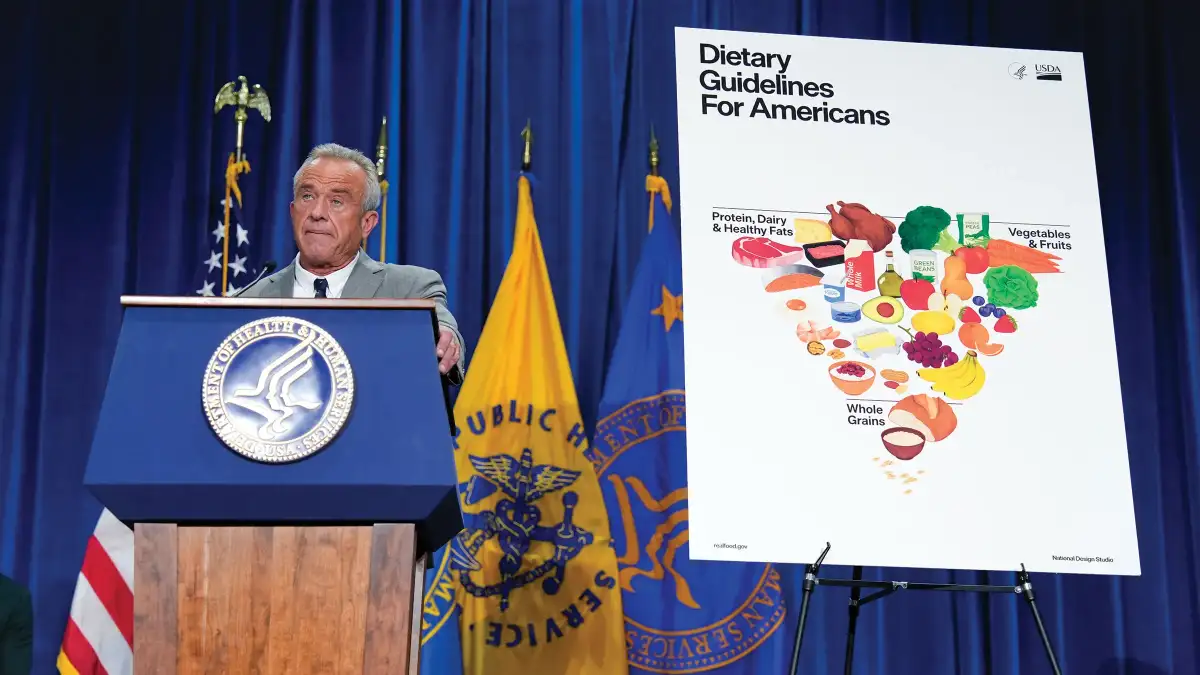
Prominent figures, including Robert F. Kennedy Jr., have voiced strong criticisms of modern food industry practices, labeling ultraprocessed foods as a primary driver of the obesity epidemic in public statements dating back to 2024.
The very definition of ultraprocessed foods remains a point of contention among experts, with some arguing that the broad categorization may unfairly stigmatize certain foods while providing a misleading "health halo" to others.
Background: The Elusive Definition and Growing Evidence
Despite the growing consensus on the need for action, a precise, universally agreed-upon definition of "ultraprocessed food" continues to elude public health and nutrition experts. This ambiguity complicates efforts to clearly delineate problematic products from others. Generally, UPFs are understood as formulations made from manufactured ingredients, often containing additives such as artificial colors, flavors, emulsifiers, and preservatives, distinguishing them from foods composed primarily of whole or minimally processed ingredients. Evidence suggests that the human body may absorb more calories from these highly processed items compared to those rich in fiber. Critics, such as Dr. Daniel Kass, contend that the imprecision of the UPF concept could inadvertently lead to misperceptions about food and health.