Donald Trump has repeatedly asserted his proficiency on cognitive screening tests, claiming to have "aced each one" multiple times. This insistence surfaced prominently during a White House Small Business Summit recently, where he highlighted his willingness to undergo such evaluations as a distinguishing characteristic among presidents.
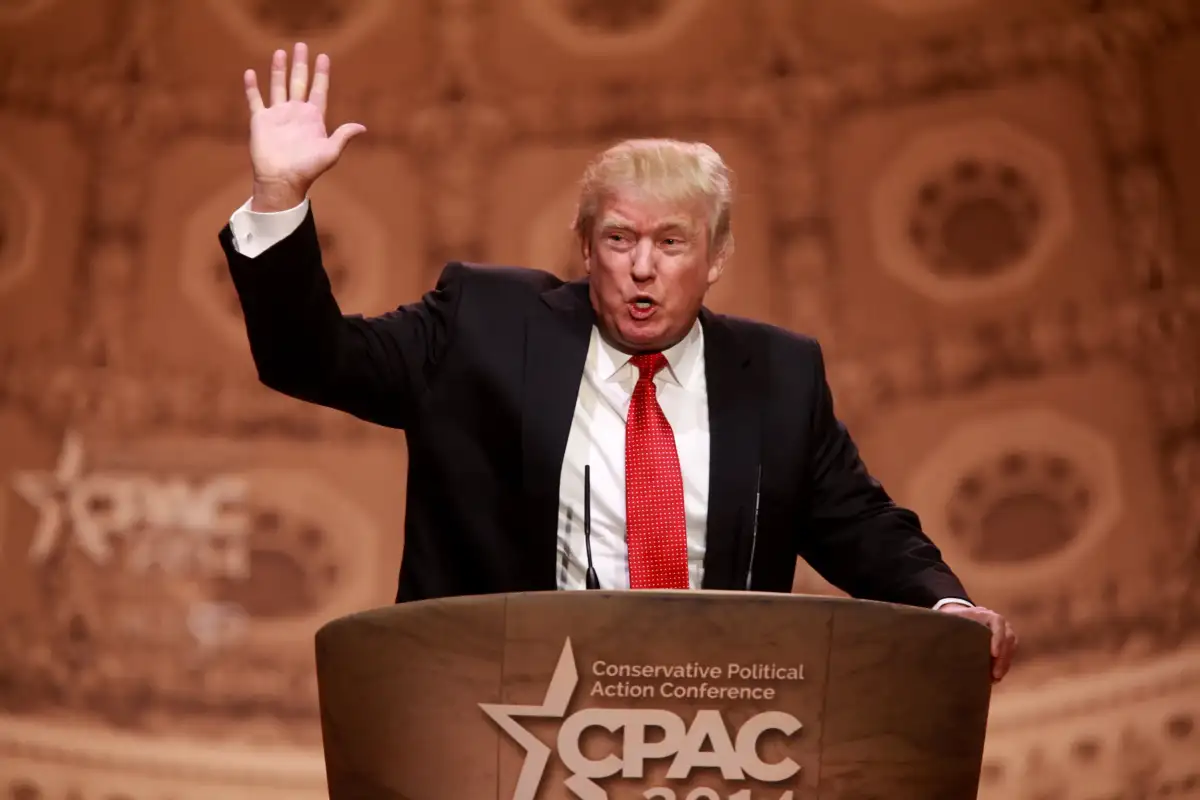
Trump states he has passed a cognitive test three times, calling it a rare achievement and advocating for all presidential candidates to undergo similar assessments.

The physician who developed the test, neurologist Ziad Nasreddine, has offered a counterpoint to Trump's declarations. Nasreddine indicated that a perfect score, which Trump claims to have achieved, is attained by only about ten percent of individuals in Trump's age group. Furthermore, he noted that the test, the Montreal Cognitive Assessment (MoCA), is not an easy evaluation for many. Trump himself has described the test questions becoming increasingly complex, even mentioning specific animals like a squirrel, an alligator, a lion, and a bear as examples of items he had to identify.
Read More: Philippines Asks Myanmar for Aung San Suu Kyi Release

His repeated claims about excelling on these cognitive tests have drawn significant attention and varied reactions. Social media has seen a surge in commentary, with some users expressing bewilderment at his focus on the tests, while others see it as a continued display of self-assurance.
A Recurring Theme
Trump's emphasis on his cognitive fitness is not a new development. He has brought up his performance on these exams on various occasions, often in response to what he perceives as criticism of his mental acuity or public missteps. He has framed these tests as a means to demonstrate his capabilities, particularly when facing questions about his health and fitness for office. Some of his remarks suggest a personal motivation stemming from negative perceptions, stating he "hated" being called unintelligent and thus took a test.
Read More: FDA Allows Fruit E-Cigarettes for Adults in Washington D.C.
The practice of Trump bringing up his cognitive test results, even claiming to have taken them three times, has been noted before, leading to uncertainty about whether he is referencing a single, ongoing process or distinct instances. This pattern has led to calls from some lawmakers for the public release of his actual test results, arguing it would align with his calls for transparency.
Context and Reactions
Trump's assertions about his cognitive abilities come at a time when questions regarding his health and mental fitness have been a recurring subject of public discourse, fueled by what some observers describe as "mental flubs," instances of drowsiness, and other physical observations. His recent pronouncements occurred amidst poll data suggesting a high percentage of Americans question his mental state.
The nature of the cognitive tests themselves has also become a point of discussion. While Trump appears to view them as a measure of high intelligence or an "IQ test," they are generally understood as screening tools for cognitive impairment, not direct measures of intelligence. This distinction, along with the specific examples Trump has provided, has been a subject of commentary and, in some cases, mockery.
Read More: Trump-backed challengers win Indiana primaries after redistricting fight