

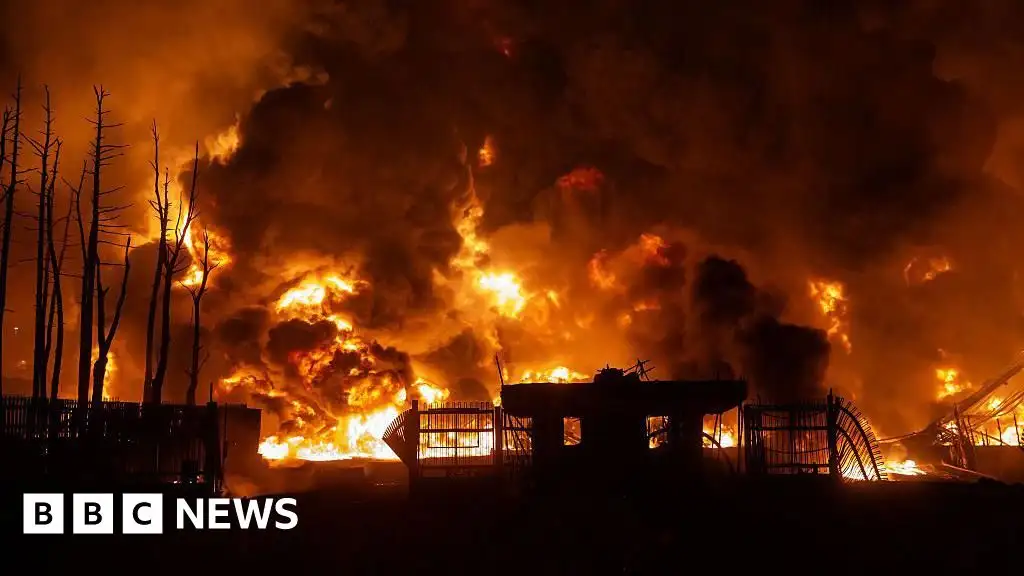
DECADES OF TENSION CULMINATE IN WIDESPREAD ATTACKS, HEAVY LOSS OF LIFE
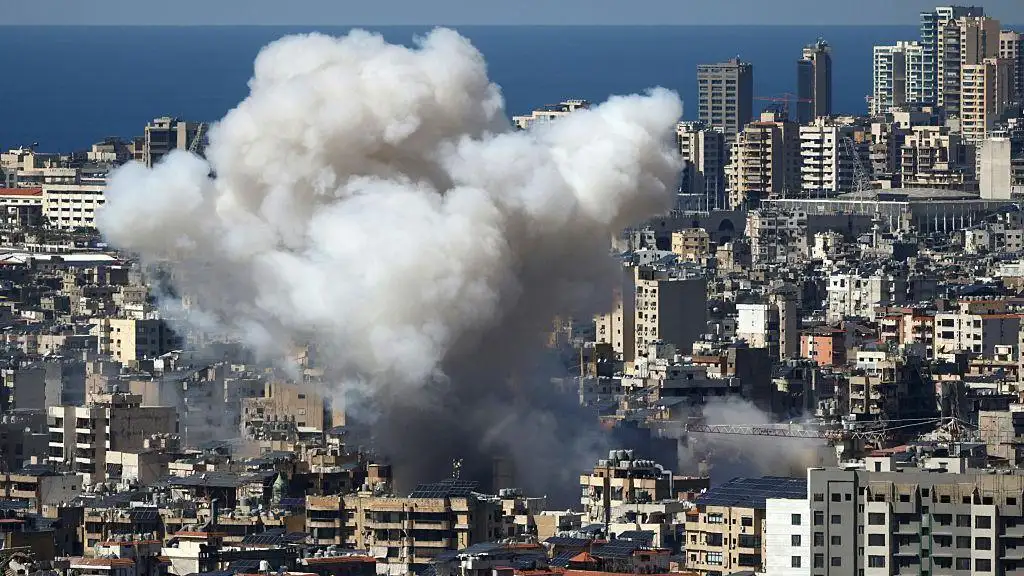
Conflict flared across the Middle East this week, with the United States and Israel launching significant strikes against Iran. The escalation, which began in late February, culminated on February 28th with the death of Iran's Supreme Leader.
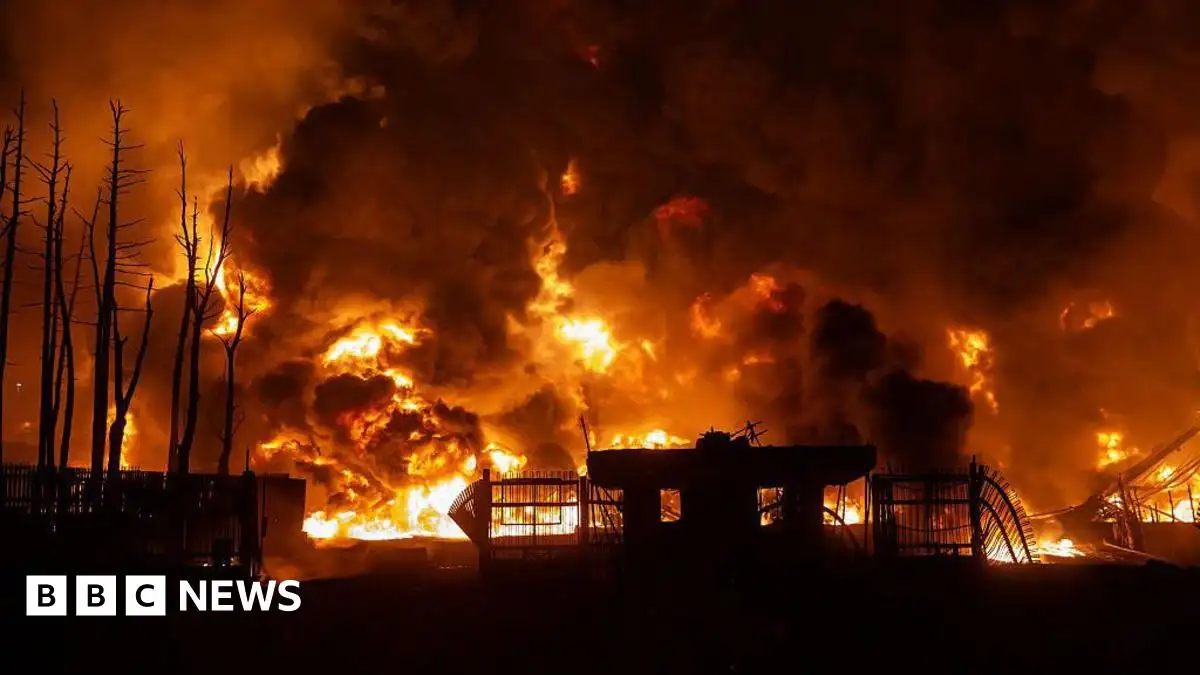
Iran claims an attack on a girls' school near an IRGC base on February 28th resulted in over 160 fatalities. By March 6th, Iran's UN ambassador reported a death toll exceeding 1,300 individuals across the broader conflict.
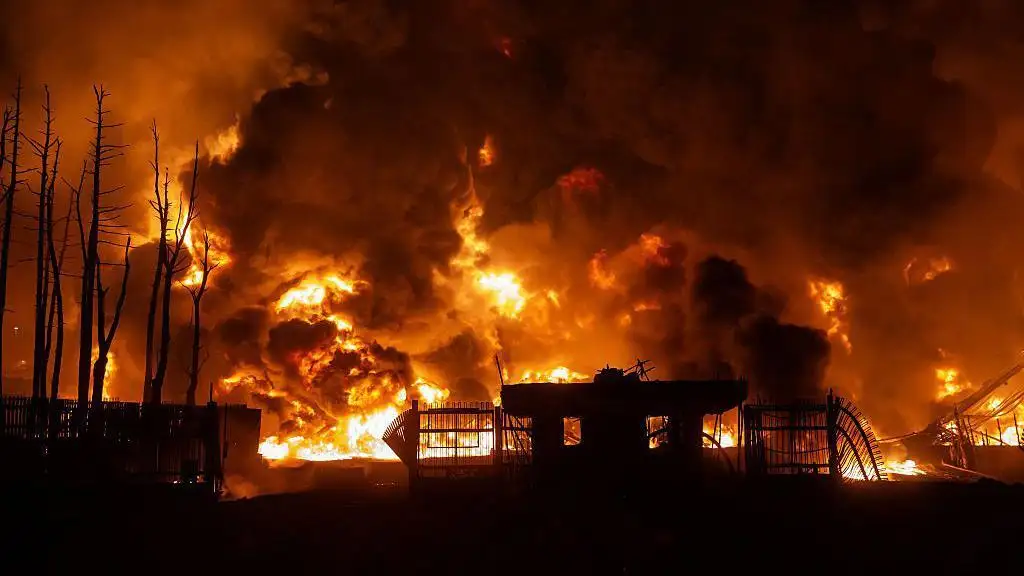
PRECISION VERSUS DESTRUCTION
The stated aim of the US and Israeli offensive, according to US officials, was to cripple Iran's ballistic missile infrastructure and thwart its nuclear ambitions. This followed what US administrations have described as failed nuclear negotiations. The US withdrawal from a nuclear deal agreed upon during the Obama administration, and subsequent ramped-up pressure by the Trump administration, appear to be central to the current confrontation.
Read More: Middle East conflict makes US small business costs rise
UNCERTAINTY OVER DURATIONS AND LEADERSHIP
Donald Trump announced the death of Iran's Supreme Leader on Saturday, February 28th, with Iranian authorities later confirming the event. The subsequent question of who is currently leading Iran, and whether the US and Israel are pursuing regime change, remains a focal point of uncertainty. Trump has offered "conflicting timelines" regarding the projected duration of the conflict, adding another layer of ambiguity.
REGIONAL IMPLICATIONS AND PRECEDENTS
The conflict's impact extends beyond Iran's borders. The war's effect on the Ukraine-Russia war has also become a question raised in the aftermath of the initial strikes. Iran's regional ambitions, even while its nuclear program was ostensibly limited by the JCPOA, are cited as a persistent factor.
Russia's involvement in Iran's war effort has been confirmed by Iran's foreign minister, though specifics remain undisclosed. Tehran had previously warned of retaliation against US military bases in the Middle East should Washington intervene militarily.
Read More: Pete Hegseth says "fight to win" in Iran, not "endless war" on March 2, 2026
TIMELINE OF ESCALATION
The strikes commenced in late February. The timeline leading up to this point includes:
Early February: Nuclear talks between Iran and the US resumed, having been stalled since June 2025.
June 2025: Israel launched attacks on Iran, with the US joining in strikes on Iranian nuclear sites. This event preceded the stalling of nuclear talks.
Trump Administration: Increased pressure on Iran to abandon its nuclear program after the US withdrawal from a nuclear deal previously agreed upon by the Obama administration and Iran.