


ENERGY SHOCKS HIT SMALL BUSINESSES, RECESSION FEARS LOOM
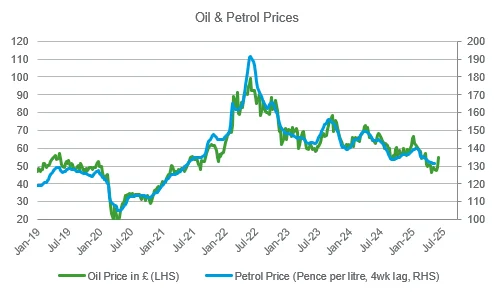
Escalating military actions in the Middle East, particularly involving Iran, have triggered a sharp ascent in global oil prices. This surge directly impacts fuel costs, presenting a significant challenge for small businesses in the United States. Many firms report passing these increased expenses onto consumers or absorbing them, while wages and general costs of goods and services continue to climb. This economic strain, coupled with existing inflation and tariffs, raises alarms about a potential US recession and stagflation, according to warnings from economists and financial analysts. The prolonged closure of the Strait of Hormuz, a vital oil transit route, is identified as a primary driver of these price hikes, potentially exacerbating supply disruptions.
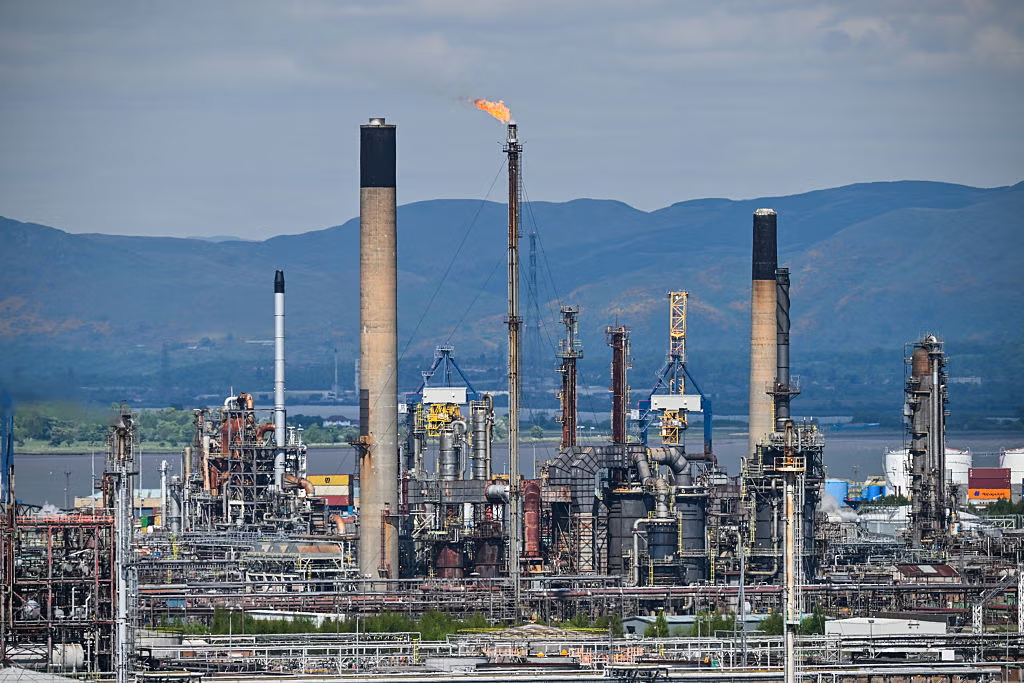
OIL PRICE VOLATILITY CONTINUES AMIDST CONFLICT
The repercussions of military engagements, including recent attacks on Iranian oil facilities, are already manifesting in global oil markets. While experts deem a complete closure of the Strait of Hormuz unlikely due to its detrimental economic effects on Iran, any disruption to oil flow through this passage is predicted to send energy prices dramatically higher. Even nations not directly importing Iranian oil, such as Australia, face exposure through price transmission, supply chain impacts, and broader inflationary pressures. The conflict’s trajectory, alongside aggressive political rhetoric, points towards a sustained upward pressure on oil and gasoline prices in the US.
Read More: Primary Care Doctors Join Forces Due to Low Pay and Fewer Funds
IRAN'S ECONOMY UNDER STRAIN
Internally, Iran grapples with severe economic instability. Seven consecutive years of double-digit inflation, with annual rates exceeding 30 percent, have pushed the nation's economy to a critical point. Analysts suggest these issues are structural and political, leading some to speak of impending economic collapse. Years of policy stagnation have rendered conventional solutions ineffective, deepening economic anxiety across Iranian society as the cost of daily living becomes increasingly unaffordable.
WIDER ECONOMIC IMPLICATIONS
The interconnectedness of global energy markets means that localized conflicts can rapidly translate into household cost increases. Wholesale prices, which influence capped energy bills, are susceptible to these fluctuations. Historical precedents, such as the oil price surges during the Ukraine war, serve as stark reminders of how geopolitical tensions can translate into tangible increases in energy expenses for consumers, affecting everything from gas prices to electricity bills. The definition of a recession, marked by factors such as real income, employment, industrial production, gross domestic product, and consumer spending, remains a key concern as the situation evolves.
Read More: US and Israel attack Iran, Supreme Leader dead after February 28 strikes
KEY TAKEAWAYS:
Oil Price Surge: Military actions in the Middle East have driven up global oil prices.
Small Business Impact: Higher fuel costs are straining US small businesses, forcing price adjustments or cost absorption.
Recession & Stagflation Fears: The oil price shock, coupled with existing inflation and tariffs, raises concerns about a US recession and stagflation.
Strait of Hormuz Risk: Disruption to this key oil transit route would significantly elevate energy prices.
Iran's Economic Crisis: Iran faces severe inflation and potential economic collapse due to structural and political issues.
Global Exposure: Nations not directly importing Iranian oil are still affected through price and supply chain mechanisms.
Household Costs: Energy prices, and consequently household bills, are vulnerable to rising Middle East tensions.
BACKGROUND:
The ongoing conflict in the Middle East, involving escalating hostilities between Israel and Iran, has drawn in the United States, leading to military actions and heightened political tensions. This has caused significant volatility in global oil markets, with fears of wider conflict and potential disruptions to major shipping lanes like the Strait of Hormuz, which handles approximately one-fifth of the world's oil supply. Economists and financial institutions, including Goldman Sachs, are warning of a potential US recession and stagflation, a condition characterized by high inflation and stagnant economic growth. Small businesses, which form a substantial part of the US employment landscape, are particularly vulnerable to rising energy costs and broader inflationary pressures. Concurrently, Iran's economy is experiencing severe internal difficulties, marked by persistent high inflation and structural economic challenges, which analysts suggest could lead to a societal and economic crisis. The international community is closely monitoring the situation, with concerns about the global economic impact of these developments.
Read More: Apple's 50 Years: iPhone Success and Past Product Failures Explained