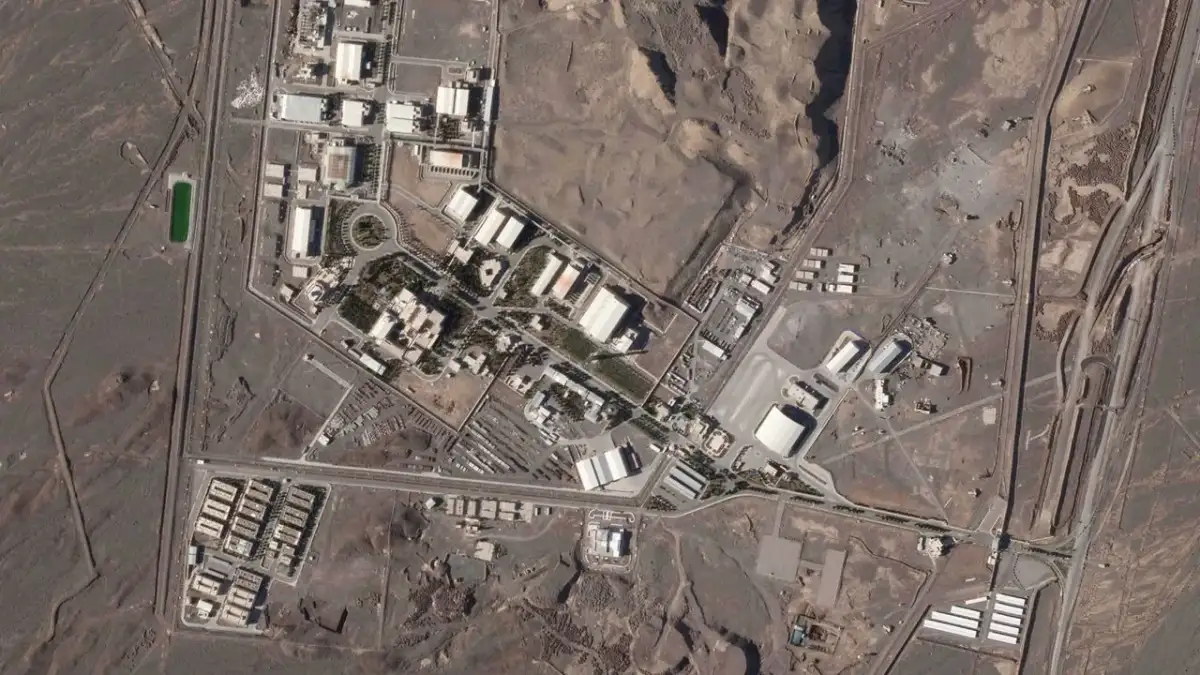
The military apparatus of the second Trump administration has collided with its own isolationist mythos following joint US-Israeli strikes on Iran that killed Supreme Leader Ayatollah Ali Khamenei. This kinetic shift has triggered a fragmentation among the president’s most vocal loyalists, who now characterize the conflict as a betrayal of the 'America First' doctrine. While the administration claims the strikes were a preemptive necessity to halt a nuclear threshold or impending attacks on US forces, the messaging remains erratic, fluctuating between denials of "war" and explicit declarations of a regime-change crusade.

Casualties & Conflict: The US and Israel have maintained a bombing campaign since Saturday; US death tolls are beginning to climb, though specific numbers remain shielded by military jargon.
The Narrative Pivot: Secretary of State Marco Rubio and other officials have shifted justifications from "imminent threats" to the permanent removal of Iran's nuclear capabilities.
Internal Mutiny: Figures like Tucker Carlson, Steve Bannon, and Megyn Kelly have publicly denounced the intervention, suggesting the administration has been captured by foreign interests.
Executive Response: Donald Trump has dismissed the internal criticism, asserting that "MAGA is Trump" and that the definition of the movement remains his exclusive property.
Shifting Rationales and Verbal Slip-ups
The administration’s explanation for the war lacks a fixed center. One day the strikes are a reaction to exaggerated intelligence regarding a preemptive Iranian attack; the next, they are a moral imperative to dismantle a nuclear program that sources say was not as close to fruition as the White House claimed.
Read More: Taiwan Holds Nantou County Drills to Prepare for State Collapse

"Trump loves to provide feedback on his own policies and call it public opinion," noted Ron Elving. The feedback loop now consists of the president asking influencers like Laura Loomer how the war is "playing" with a base that was promised an end to "forever wars."
The Influencer Schism
The digital architecture that propelled Trump to power is currently eating itself. The divide is not merely political but existential for a movement built on the rejection of neo-conservative interventionism.

| Actor | Stance | Primary Complaint |
|---|---|---|
| Marjorie Taylor Greene | Opposed | Argues Trump prioritizes foreign nations over domestic "America First" promises. |
| Tucker Carlson | Opposed | Claims Israeli Prime Minister Benjamin Netanyahu is the true architect of the war. |
| Steve Bannon | Opposed | Warns that an extended conflict will evaporate the populist base. |
| Laura Loomer | Supportive | Frames the strikes as a display of strength and attacks "betrayers" in the base. |
| Mike Davis | Supportive | Cites Iranian threats to US warships as legal and moral justification. |
The "America First" Paradox
For many in the rank-and-file, the sight of American bombs falling on Tehran is an unrecognizable version of the isolationist platform they ratified at the ballot box. Marjorie Taylor Greene, who recently resigned from Congress after a fallout with Trump over the Epstein files, has emerged as a symbol of this disillusionment. She characterized the dead American soldiers as being "murdered for foreign countries," a sentiment echoed by Georgia Republican candidates like Reagan Box.
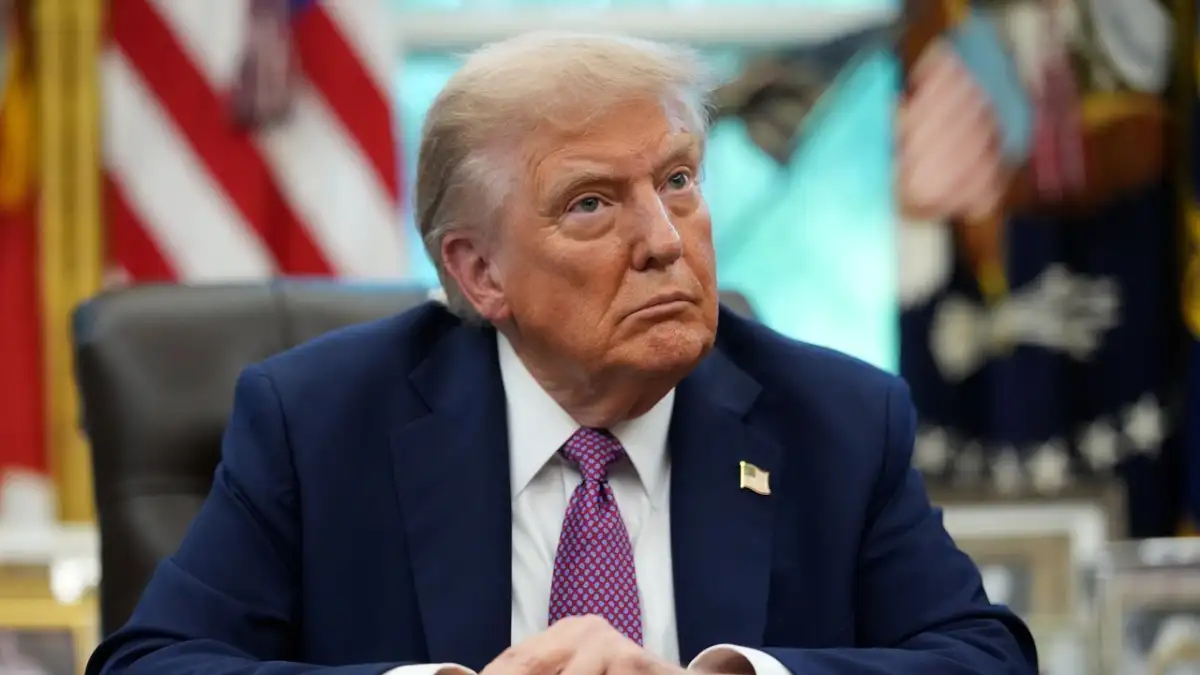
The conflict is testing whether 'MAGA' is a set of ideas or a personality cult. Trump’s pushback—essentially claiming he is the sole arbiter of the movement's meaning—suggests a pivot toward aggressive militarism that mirrors the very administrations his supporters once despised.
Read More: Iran Zagros Mountain Nuclear Site Construction Update April 2026
Background: The Road to Tehran
During his first term, Trump avoided new ground wars, a fact he leveraged heavily during his campaigns to paint himself as a peacemaker. However, his second term has already seen military actions in seven different countries, including regime-change efforts in Venezuela. The current war with Iran marks the final collapse of the "no more wars" pledge, replacing it with a mercurial strategy that relies on shifting threats and a rejection of traditional diplomatic guardrails. As the war persists, the question is no longer about Iranian nuclear capacity, but about the durability of a political base that feels it was sold a peace it never received.