Recent leaks have showcased an engineering motherboard bearing NVIDIA's long-rumored N1 System-on-Chip (SoC), a development that appears to solidify the company's intent to compete in the PC processor market, specifically for Windows on Arm (WoA) devices. The surfaced hardware prominently displays a substantial 128GB of LPDDR5X memory, suggesting a focus on high-capacity performance for demanding tasks.
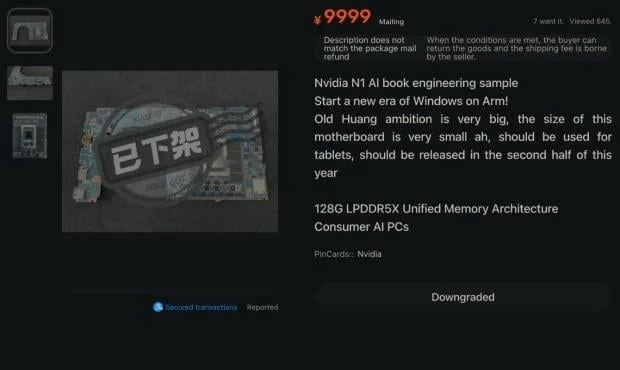
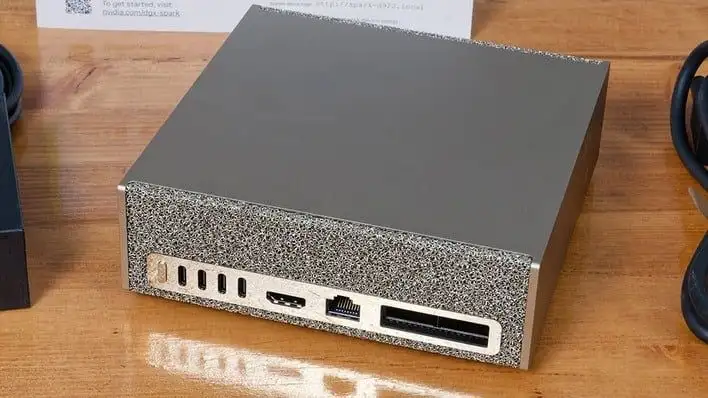
The emergence of this engineering sample, reportedly originating from a listing on the Chinese resale platform Goofish, follows a period of speculation and reported delays. While NVIDIA has remained officially silent on the matter, the visual evidence points towards a chip series, potentially including N1 and N1X variants, derived from NVIDIA's GB10 architecture, known for its use in compact supercomputers like the DGX Spark. This architecture is understood to combine Arm CPUs, developed in partnership with MediaTek, and a Blackwell-based GPU.
Read More: Chrome mimeHandler API lets extensions handle file types
Hardware Details and Market Positioning
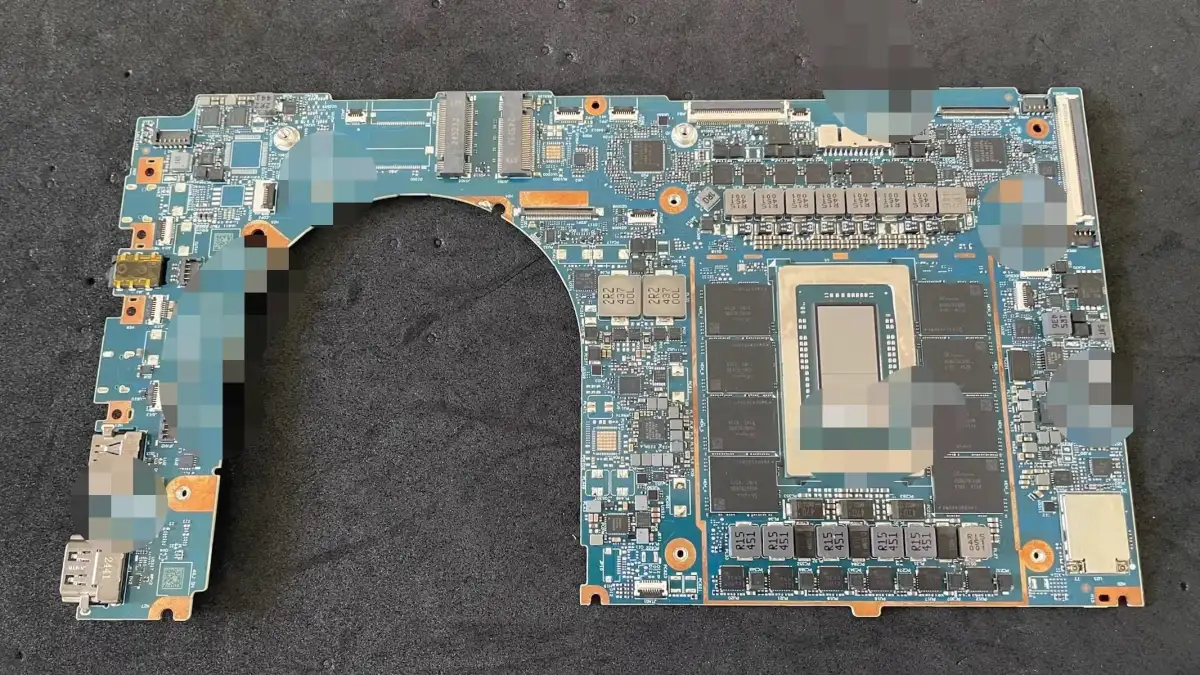
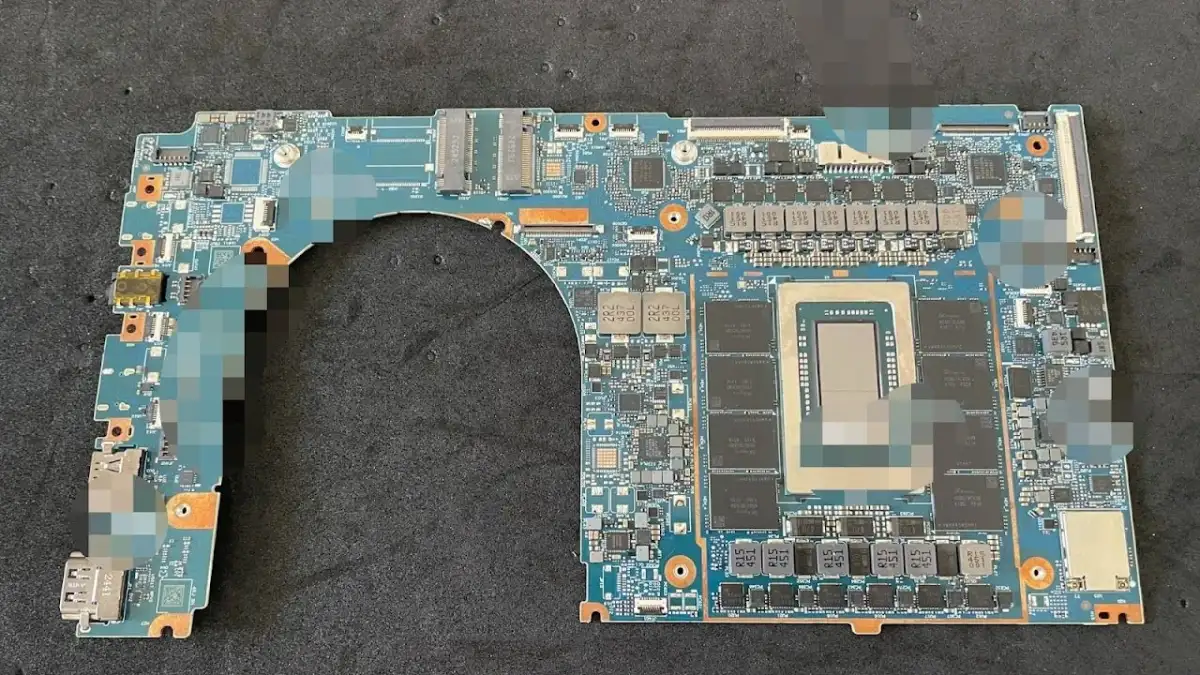
The pictured motherboard, described as compact and suitable for laptop or tablet form factors, is equipped with eight memory modules, totaling the substantial 128GB of LPDDR5X RAM. This high memory configuration is seen as a direct response to the growing needs of artificial intelligence (AI) workloads and advanced machine learning operations. The chip itself is reportedly manufactured using TSMC's 3nm process node.
Industry observers anticipate an official unveiling of the N1 series around Computex, a major technology trade show, in the coming weeks. This move positions NVIDIA to challenge established players like Intel, AMD, and Qualcomm in the burgeoning AI PC segment. The N1 SoC is expected to offer robust support for Microsoft's Windows OS and its AI-focused features, such as Copilot+.
Read More: Nvidia RTX Spark New AI PC Processors Coming Autumn 2026
Background and Strategic Shift
NVIDIA's potential foray into PC processors marks a significant departure from its traditional role as a graphics card supplier. The company's CEO, Jensen Huang, has previously acknowledged ongoing work with MediaTek on low-power, high-performance SoCs tailored for AI capabilities. This collaboration is seen as leveraging MediaTek's expertise in Arm CPU design while incorporating NVIDIA's own GPU prowess.
While specific performance metrics for the N1 are still speculative, leaked details suggest a configuration that could rival high-end components, with some reports drawing comparisons to existing NVIDIA GPUs. The timing of this leak also comes as the industry anticipates further advancements in processor technology, with other manufacturers preparing chips based on next-generation process nodes. The success of NVIDIA's N1 in the competitive landscape will likely depend not only on its technical capabilities but also on its pricing strategy and the broader adoption of Windows on Arm devices.
Read More: BEREC Asks for Mobile Network API Ideas from Developers