

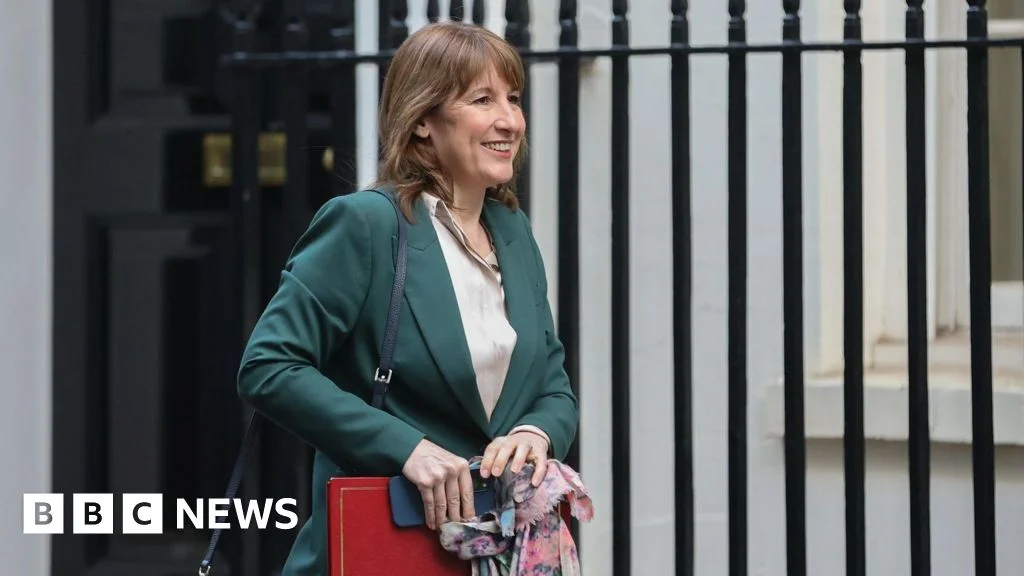
The UK government collected £30.4 billion more in taxes than it spent during the month of January. This amount is the highest monthly surplus recorded since the Office for National Statistics (ONS) began keeping monthly records in 1993. This news comes at a critical time for Chancellor Rachel Reeves, as she prepares to deliver her Spring Statement in March. While experts expected a surplus, the final figure was much higher than the £23.8 billion they predicted. This extra money is largely due to people paying their self-assessed tax bills and capital gains taxes at the start of the year. While this is a positive result for the Treasury, the country’s total borrowing for the year remains at historically high levels.
The National Balance Sheet: January Results
The UK financial year runs from April to March, and January is traditionally a month where the government gains more money than it spends. This happens because people who work for themselves or have extra income must pay their taxes by the end of January.
Read More: UK Government Had Biggest Ever Monthly Money Surplus in January 2026

"January – which is traditionally a strong month for self-assessed tax receipts – saw the highest surplus since monthly records began." — Grant Fitzner, ONS Chief Economist
The following data points highlight the change from previous years and expectations:
| Category | January 2024 (Current) | January 2023 (Previous) | Analyst Forecast |
|---|---|---|---|
| Monthly Surplus | £30.4 Billion | £15.4 Billion | £23.8 Billion |
| Status | Record High | Previous Benchmark | Underestimated |
The surplus for January is more than double the amount recorded in the same month last year.

Factors Behind the Increased Revenue
Several specific areas of the economy contributed to this record-breaking month.
Self-Assessed Tax Receipts: A large volume of tax payments arrived from individuals who do not have tax taken directly from their monthly paychecks.
Capital Gains Tax: Income from the sale of assets like property or stocks contributed to the total.
Retail Growth: Consumer spending was stronger than expected. Retail sales rose, with a specific increase in jewelry sales as the price of gold and silver went up.
Lower Interest Costs: The cost of paying back government debt was slightly lower due to changes in interest rates.
The Question of Forecasting Accuracy
Does the large gap between the predicted £23.8 billion and the actual £30.4 billion suggest that the UK economy is growing faster than official tools can currently track?

Deep Dive: Short-Term Gain vs. Long-Term Debt
While the January surplus is a record, it does not mean the UK has finished borrowing money. The broader financial picture shows that the government still spends more than it earns over the full year.
1. The Full Year Context
Between April and January, the government has still borrowed a significant amount of money. Even with the January boost, this period represents the fifth-highest borrowing run on record. This means the record surplus in one month has not yet canceled out the debt built up over the previous nine months.

2. Fiscal Rules and Stability
Rachel Reeves has set rules for the government. These rules say that daily spending must be covered by tax money rather than borrowed money. The January surplus helps the government meet these rules, but the Treasury still faces pressure to manage the high levels of total national debt.
3. Retail and Consumer Behavior
Stronger retail sales in January provided a boost to the economy. Interestingly, jewelers saw more business as people responded to the rising value of gold. This suggests that some parts of the public had more money to spend than analysts had originally guessed.
Expert Analysis
Economic experts and government officials have noted that while the figures are good, they must be viewed with caution.
The ONS pointed out that while this is a record surplus, the overall borrowing for the financial year is still very high.
City Analysts were surprised by the strength of the tax intake. They had expected the surplus to be nearly £7 billion lower than the final result.
The Treasury views this as a "reprieve" or a helpful boost. It gives the Chancellor more options for her upcoming budget, but it does not remove the need for careful spending.
"Reeves has attempted to trumpet her self-imposed fiscal rules… as a means of stability for the UK economy." — City AM Report
Summary of Findings
The UK has reached a milestone in its monthly finances, but the overall economic path remains complex.
A record surplus of £30.4 billion was achieved in January 2024.
Tax revenue from self-assessments was the primary driver of this increase.
Expectations were exceeded by nearly £7 billion, showing a surprise strength in tax collection.
Total borrowing for the year (April to January) remains among the highest in history.
The surplus provides the government with a better starting point for the Spring Statement, but long-term debt levels remain a primary concern for the Treasury.
Read More: Trading 212 Offers 4.4% Cash ISA Interest Rate in UK Savings Market
Sources
Financial Times: UK swings to record £30.4bn budget surplus in January
BBC News: UK government finances better than expected in January
Sky News: Record-breaking budget surplus as government's tax income rises
Evening Standard: Government posts record borrowing surplus in boost for Chancellor
City AM: Reeves lands £30bn reprieve ahead of Spring Statement
The Telegraph: Reeves handed record borrowing boost ahead of Spring Statement


