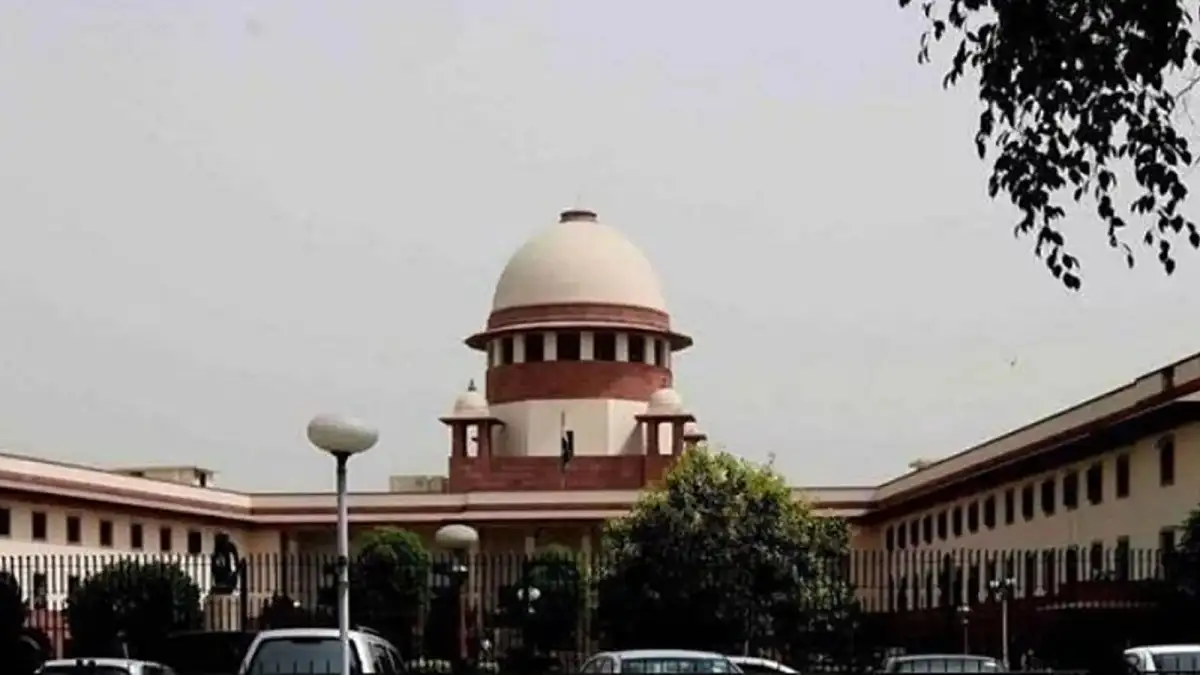
The Supreme Court has effectively gutted a critical component of the Voting Rights Act, altering the legal landscape for challenging racially discriminatory voting maps and election practices. The recent decision, stemming from the Louisiana v. Gans and Louisiana v. Callais cases, imposes significantly higher burdens for plaintiffs seeking to prove racial discrimination in districting. This ruling shifts the legal standard, requiring proof of discriminatory intent rather than merely discriminatory impact, a change that civil rights advocates argue will render most challenges insurmountable. Consequently, the ability for minority voters to secure fair representation through the creation of majority-minority districts is severely curtailed, with fears that existing districts could be dismantled or diluted across the country.
The ruling has drawn widespread condemnation from civil rights organizations and elected officials, who label it a devastating blow to American democracy and a step backward to a pre-Civil Rights era. Groups like the Constitutional Accountability Center and the American Civil Liberties Union have decried the decision as eviscerating Section 2 of the Voting Rights Act, which has long been instrumental in combating racial discrimination in voting. The Democracy Defenders Fund stated that the Roberts Court has "all but eliminated the Voting Rights Act’s strongest remaining tool for stopping discriminatory maps and election practices," suggesting the decision reflects a court that believes certain voices matter less than others.
Read More: Telangana High Court Stops Kaleshwaram Project Inquiry Against BRS Leaders
Former President Donald Trump offered a stark reaction, stating he "loves" such rulings when asked about the Supreme Court's decision. Meanwhile, figures like Bishop William Barber have vehemently condemned the gutting of the Act, lamenting that states may now systematically dilute minority voting power without legal consequence. Members of the Congressional Black Caucus have vowed to continue the fight, asserting that discriminatory impacts will not be accepted.
LEGAL AND HISTORICAL CONTEXT
The Supreme Court's action strikes down Louisiana's congressional map, which had been redrawn to include a second majority-Black district following a lower court ruling that found the prior map unconstitutional. The state drew a new map to comply, but the Supreme Court's majority declined to declare Section 2 of the Voting Rights Act unconstitutional outright, while still hobbling its enforcement. This provision has historically been used to ensure fair treatment for minority voters in redistricting processes, prohibiting discriminatory results.
Read More: US House Ends 76-Day DHS Shutdown, Immigration Fight Continues
Critics argue that the Court's interpretation of the Voting Rights Act is inconsistent with Congress's intent and the historical context of racial discrimination in voting. They point to the Act's original purpose: to counter practices that, while not always overtly discriminatory in intent, resulted in the disenfranchisement of Black and Brown voters. The current decision, in the eyes of these groups, enables states to enact discriminatory maps with greater impunity.
CALLS FOR REFORM AND CONTINUED STRUGGLE
In the wake of the ruling, there are renewed discussions about the need for systemic reform of the judiciary, including potential Supreme Court reform, as progressive legal scholars suggest current responses have been insufficient. The decision fuels a broader debate about the future of a "multiracial democracy" and the ongoing struggle for equal justice and representation. While acknowledging the severe blow to federal voting rights protections, advocates emphasize that enforcement efforts will continue through legislative action, state-level legal claims, and other avenues. The concept of "multiracial democracy," where every community has a meaningful voice, remains a central theme in these ongoing advocacy efforts.
Read More: Telangana High Court Orders Probe into Officials Over Illegal Campus Construction