Health Burden Linked to Diet, Spending
U.S. Health and Human Services Secretary Robert F. Kennedy Jr. asserted that the United States holds the grim distinction of being "the sickest country in history," burdened by an unprecedented level of chronic disease. This declaration, made on The Alex Marlow Show, frames the urgency behind his Make America Healthy Again (MAHA) initiative.
Kennedy Jr. connects the nation's health crisis to a societal shift away from home cooking, a cultural embrace of processed foods, and the escalating financial drain of treating chronic ailments. He stated that 48 cents of every federal tax dollar is now allocated to managing these diseases, a stark contrast to the era when his uncle was president, a period with negligible spending on chronic illness.
MAHA Calls for Dietary and Policy Reform
The MAHA initiative, as explained by Kennedy Jr., advocates for a fundamental re-evaluation of national health priorities, beginning with dietary guidelines. He specifically referenced the food pyramid, or its inversion, as a symbol of what he terms "corporate capture" within the health sector.
Read More: Northern Ireland autism diagnosis rate hits record 1 in 16 in May 2026
"People have forgotten how to cook, and it actually is a lot cheaper to eat good food if you cook it at home."
This emphasis on domestic food preparation is highlighted by a military program that reportedly reduced food costs for troops by nearly 50 percent while simultaneously enhancing nutritional quality. The program, which shifted costs from $18.50 to $10 per soldier per day, serves as a model for Kennedy Jr.'s argument that healthier food can be more economical when prepared domestically.
Criticism and Skepticism Greet Assessment
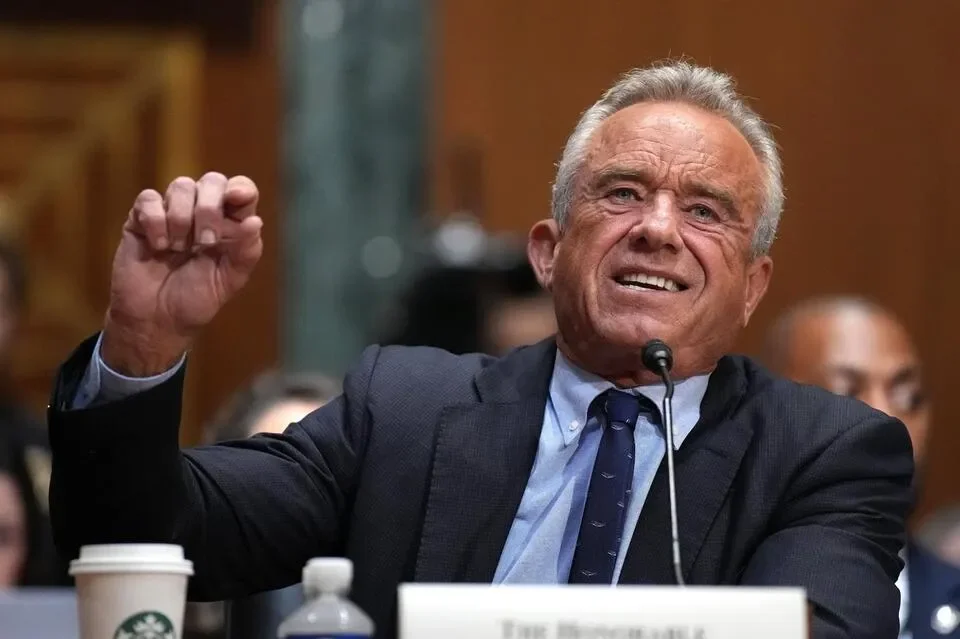
Kennedy Jr.'s pronouncements have not been without scrutiny. Reports indicate that during a Senate Finance Committee hearing, Democratic senators raised concerns about his proposed "drastic steps" potentially destabilizing federal health agencies like the CDC.
Independent observers have cautioned that Kennedy Jr.'s characterization may oversimplify complex global health data and could undermine public confidence in U.S. health institutions. Furthermore, over 1,000 current and former HHS staff have reportedly signed letters urging Kennedy Jr. to step down, citing fears that his approach politicizes science and erodes public trust.
Read More: FBI Offers $200,000 Reward for Monica Witt Iran Espionage Case
Background
The U.S. health landscape has long been a subject of debate, with the nation consistently ranking high in healthcare spending yet lagging in key health outcome metrics compared to other developed nations. Kennedy Jr.'s current role as HHS Secretary places him at the forefront of these discussions, amplifying his critiques of existing health policies and the food industry's influence. His public statements often draw from historical comparisons and advocate for a return to perceived simpler, healthier lifestyles.