Administration Dismantles Legal Basis for Federal Climate Regulations
The Trump administration has formally revoked a foundational scientific determination that greenhouse gas emissions pose a danger to public health and welfare. This action removes the legal bedrock for federal climate regulations, including standards for vehicle emissions. The move represents a significant rollback of policies aimed at addressing climate change and is expected to trigger legal challenges.
The Environmental Protection Agency (EPA), under the Trump administration, has declared that regulating greenhouse gases within U.S. borders cannot meaningfully resolve a global problem. This stance challenges the long-standing understanding that these emissions contribute to climate change and endanger public health. The repeal eliminates restrictions on climate pollution from vehicles and is described by critics as a victory for the fossil fuel industry.
Context and Timeline
This revocation is the culmination of a broader effort by the Trump administration to dismantle climate change regulations. The core of the rollback centers on the "endangerment finding," an Obama-era ruling by the EPA.
Read More: 46 Kapila River Trees Cut Illegally in Hejjige Village, Officials Questioned
Original Finding: The EPA had previously ruled that six key greenhouse gases, including carbon dioxide and methane, are a danger to human health and welfare. This determination was made under the Clean Air Act.
Legal Basis: This finding served as the legal justification for a wide array of federal regulations, initially targeting vehicle emissions and later expanding to include power plants and industrial facilities.
Administration's Stance: The Trump administration contends that the endangerment finding is unnecessarily expensive, impedes American energy dominance, and that the Clean Air Act does not grant the EPA the legal authority to regulate greenhouse gases.
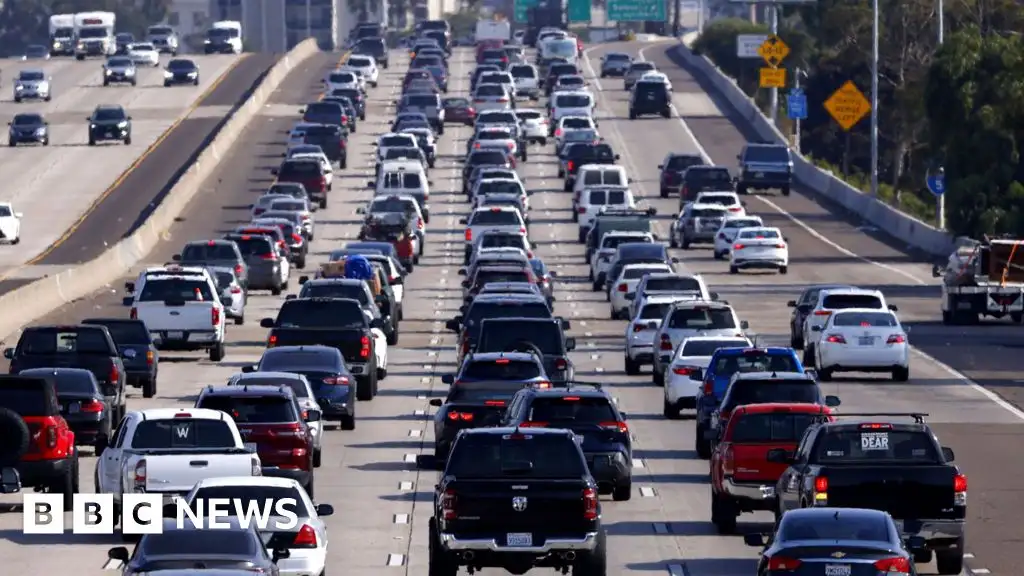
Vehicle Emission Standards: The repeal also explicitly ends federal tailpipe emissions standards for cars and trucks, a move that supporters argue will save taxpayers trillions, while opponents claim it will increase costs for consumers in the long run.
Evidence of Revocation
Multiple sources confirm the Trump administration's action:

Official Revocation: The Trump administration has revoked the "endangerment finding" that greenhouse gases endanger human health. (Articles 2, 3, 7, 9, 10)
Elimination of Standards: All greenhouse gas emission standards for light, medium, and heavy-duty vehicles that were based on the endangerment finding have been eliminated. (Article 3, 6, 11)
Legal Interpretation: The EPA now argues that the Clean Air Act does not provide the legal authority to regulate greenhouse gases. (Article 11)
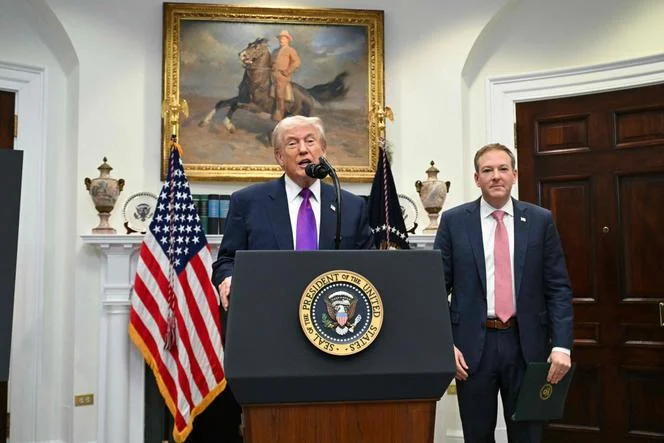
Administrative Action: This action has been formalized by [Name Redacted - Zeldin], who heads the EPA, signaling a deliberate campaign to dismantle climate regulations. (Articles 3, 8)
Dismantling the Regulatory Framework
The revocation of the endangerment finding strips the federal government of its ability to regulate climate-heating pollution. This has significant implications for various sectors:
Vehicle Emissions: The most immediate impact is the elimination of federal tailpipe emissions standards for cars and trucks. This removes regulatory requirements for measuring, reporting, and complying with these standards. (Articles 6, 11)
Stationary Sources: While the repeal directly targets vehicle emissions, its implications for stationary sources like power plants are also significant, as the endangerment finding underpinned broader climate regulations. (Article 6)
Scientific Data: The EPA has also reportedly removed climate-focused science and data from its webpages, suggesting a broader shift in the agency's approach to climate issues. (Article 8)
Economic Arguments and Counterarguments
The Trump administration asserts that its actions will yield substantial economic benefits:

Claimed Savings: The EPA stated that the repeal will save U.S. taxpayers $1.3 trillion. (Article 6)
Reduced Costs: The administration argues that climate regulations have driven up costs for consumers, particularly for vehicles. (Articles 5, 10)
However, environmental groups and some analysts present a contrasting economic outlook:
Increased Costs: Environmental groups, such as the Environmental Defense Fund, contend that the repeal will ultimately cost Americans more due to increased pollution and long-term health impacts. (Articles 4, 7, 9)
Market Skewing: There are warnings that the rollback could skew the market towards less fuel-efficient vehicles, undermining the auto industry's ability to compete globally in the transition to electric vehicles. (Article 1)
Uncertainty for Business: Business professors suggest that companies are unlikely to make long-term plans based on such regulatory shifts, indicating potential market instability. (Article 10)
Arguments Against the Revocation
Critics of the Trump administration's decision highlight several points:

Ignoring Health Benefits: Environmental advocates argue that the administration is overlooking the benefits of reduced pollution, including lives saved and fuel savings from more efficient vehicles. (Article 1)
Global Implications: While the administration argues that U.S. action alone cannot solve a global problem, critics emphasize that U.S. policy plays a crucial role in international climate efforts. (Article 1)
Formalizing Denial: Organizations like the Sierra Club have characterized the revocation as formalizing "climate denialism as official government policy." (Article 3)
Legal Vulnerability: The administration's move is seen as making it vulnerable to protracted litigation over the legality of erasing established scientific and statutory conclusions. (Article 10)
Health and Safety: Former President Barack Obama stated that repealing the finding would make Americans "less safe" and "less healthy," and less able to fight climate change. (Articles 2, 9)
Conclusion and Implications
The Trump administration's revocation of the endangerment finding and elimination of vehicle emission standards represent a fundamental shift in U.S. climate policy. By dismantling the legal basis for federal climate regulations, the administration has taken its most significant action yet to rollback climate change efforts.
Legal Battles Ahead: This move is widely expected to lead to significant legal challenges, as critics question the administration's reasoning and its ability to legally overturn established scientific conclusions. (Articles 2, 7, 11, 12)
Environmental Impact: The rollback is seen by many as a direct threat to environmental protection and public health, potentially leading to increased pollution. (Articles 3, 7)
Market Disruption: The decision could have unforeseen consequences for the automotive industry and consumer markets, despite claims of economic savings. (Articles 1, 5)
International Standing: Withdrawing from international climate efforts and dismantling domestic regulations, the U.S. position in the global fight against climate change is significantly altered. (Article 6)
The administration's stated rationale centers on economic relief and energy dominance, while opponents emphasize public health, environmental integrity, and the long-term costs associated with climate inaction. The ultimate impact of this regulatory reversal will likely be determined through ongoing legal and political processes.
Read More: Venezuelan Man Charged with Assaulting US Officers in Nebraska on June 18
Sources Used:
Le Monde: https://www.lemonde.fr/en/international/article/2026/02/12/trump-revokes-key-climate-finding-dismantling-legal-basis-for-emissions-rules67504374.html
CNBC: https://www.cnbc.com/2026/02/12/trump-epa-endangerment-finding-climate-change-greenhouse-gas.html
ABC News: https://www.abc.net.au/news/2026-02-13/trump-revokes-basis-of-us-climate-regulation-ends-vehicle-emissi/106339598
Yale Climate Connections: https://yaleclimateconnections.org/2026/02/trump-just-torched-federal-climate-regulations-heres-what-it-means/
The Hindu: https://www.thehindu.com/news/international/trump-revokes-basis-of-us-climate-regulation-ends-vehicle-emission-standards/article70625830.ece
India Today: https://www.indiatoday.in/world/us-news/story/trump-epa-revokes-greenhouse-gas-endangerment-finding-climate-policy-rollback-glbs-2867502-2026-02-13
The Guardian: https://www.theguardian.com/us-news/2026/feb/12/trump-epa-rollback-pollution-regulation-endangerment-finding
RTÉ News: https://www.rte.ie/news/us/2026/0212/1558193-us-climate-rules/
CBS News: https://www.cbsnews.com/news/trump-epa-endangerment-finding-greenhouse-gases-climate-change/
NPR: https://www.npr.org/2026/02/11/nx-s1-5678273/trump-epa-climate-change-endangerment
E&E News: https://www.eenews.net/articles/trump-guts-basis-for-climate-regulation-setting-up-a-courtroom-clash/