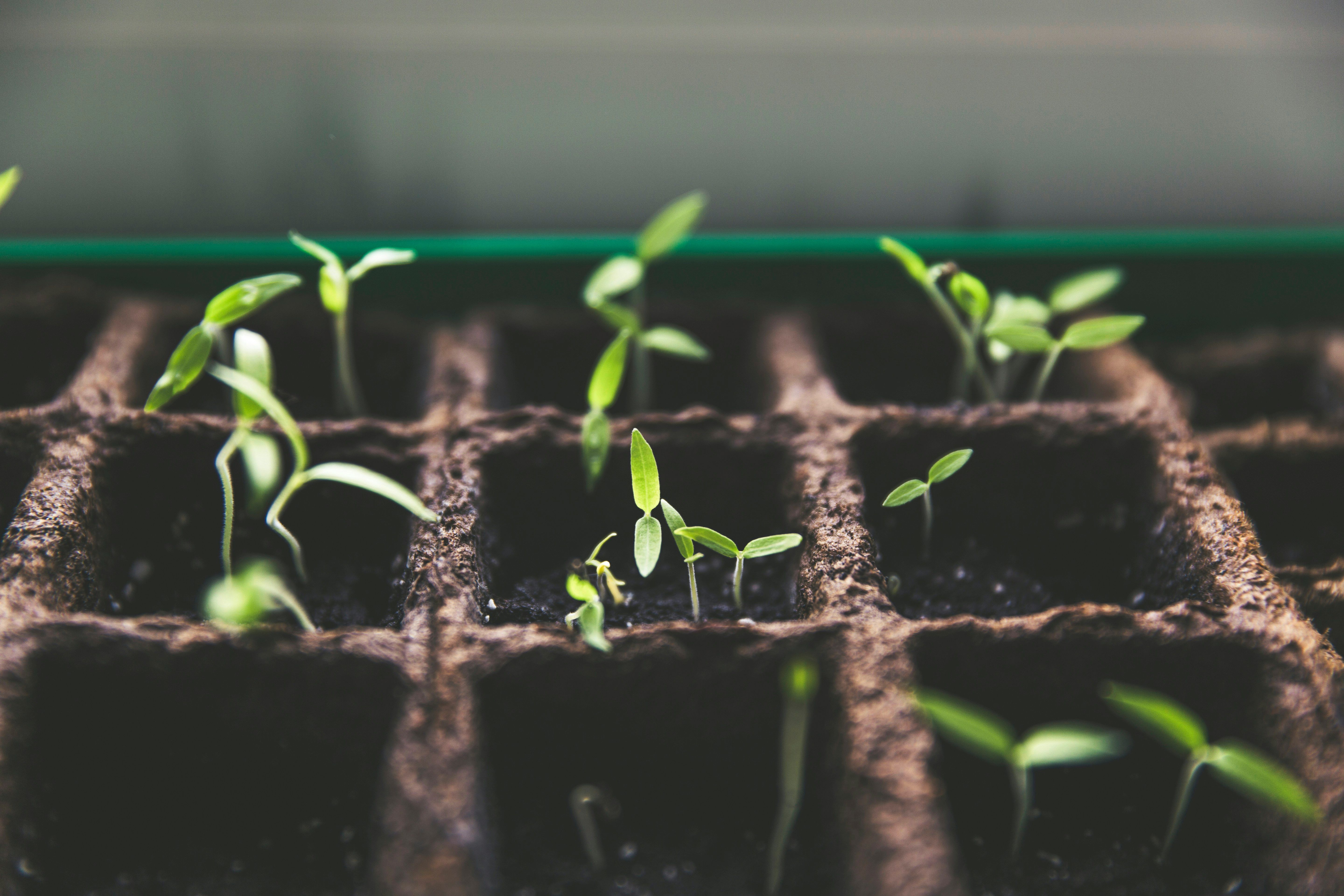
Different environmental pressures prompt varied responses in plant development, including pauses and accelerations in growth.

The pace and nature of plant growth are not fixed but dynamically adjusted in reaction to distinct forms of climate-related stress. These responses range from a complete halt in development to accelerated growth phases, suggesting complex internal regulatory mechanisms are at play.

This dynamic adaptation is critical for plant survival and continued development in fluctuating environmental conditions.

GROWTH ADJUSTMENTS UNDER STRESS
Recent explorations into plant physiology highlight how specific stressors dictate how plants manage their growth. Research published in the journal 'Plants' points to an array of responses observed when plants encounter challenging conditions such as nutrient deficiency, salinity, and other environmental adversities.

Nitrogen and Phosphorus Deficiency: Plants exhibit specific physiological and molecular shifts when starved of essential nutrients like nitrogen and phosphorus. This can lead to altered growth patterns as the plant conserves resources or attempts to maximize uptake.
Salt Stress: Salinity poses another significant challenge. Investigations into plant responses to salt stress reveal adaptive mechanisms that can affect overall development. The exact nature of these adjustments – whether a slowdown or a specific type of growth spurt – is often dependent on the plant species and the severity of the salinization.
UNDERSTANDING THE MECHANISMS
The ability of plants to modify their growth trajectory under stress is a fundamental aspect of their resilience. This implies a sophisticated signaling network within the plant that interprets environmental cues and translates them into developmental directives.
Read More: Your Home's Ancient Location Revealed by New Tool
The precise molecular pathways that govern these pauses or accelerations are areas of ongoing study. Researchers are examining how plants perceive stress signals and how these signals are relayed to cellular machinery responsible for growth.
The implications of these findings extend to agricultural practices and conservation efforts, particularly in the context of a changing climate. Understanding these plant responses could inform strategies for developing more robust crop varieties or for managing natural ecosystems under environmental duress.
BACKGROUND
The journal 'Plants,' published by MDPI, frequently features research into plant science, including specialized issues focusing on areas like 'Novel Tools and Participatory Approaches in Urban Vegetation and Biodiversity: Monitoring, Identification, and Stress Tolerance' and 'Integrating Developmental Genetics and Diversity for Climate-Resilient Grain Legumes.' These topics underscore the scientific community's focus on understanding and enhancing plant adaptability in the face of environmental change. Further studies delve into specific stressors like salinity, as indicated by reviews such as 'Plant Responses and Adaptations to Salt Stress: A Review.'