Washington D.C. – In a move drawing sharp criticism and immediate scrutiny, the Justice Department announced the creation of a $1.8 billion 'lawfare' fund. This development coincides with the voluntary dismissal of a $10 billion lawsuit filed by Donald Trump, his sons, and The Trump Organization against the IRS. The lawsuit, initiated in January, alleged that the agency failed to prevent the leak of their tax returns.
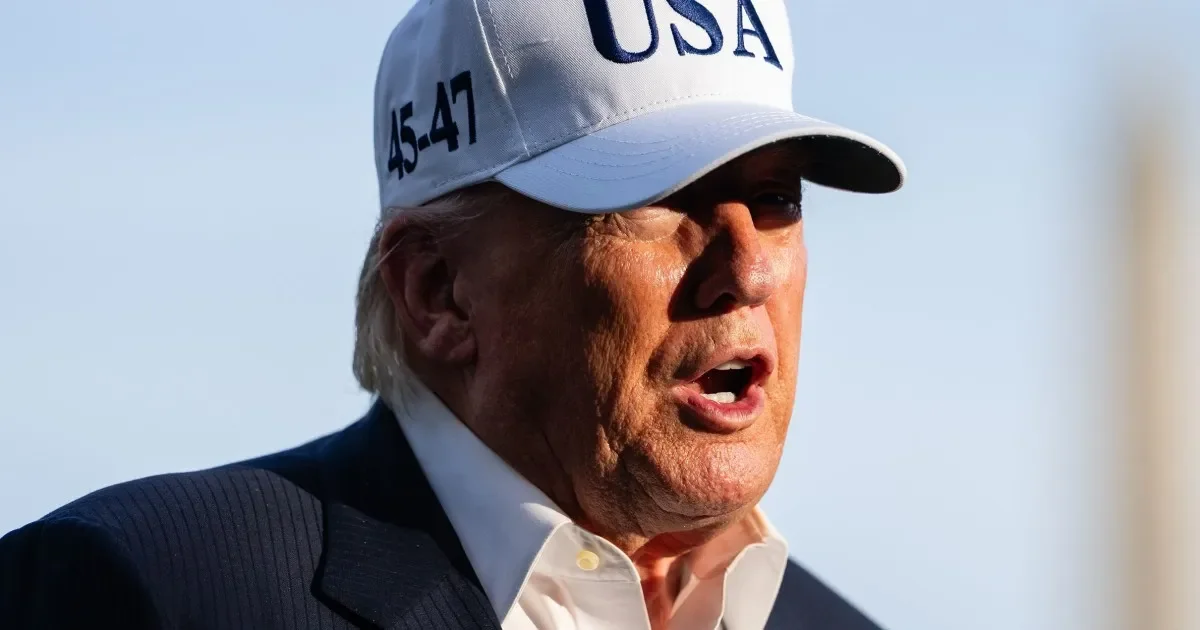
The core of the agreement centers on the establishment of this new fund, purportedly to "hear and redress claims of others who suffered weaponization and lawfare." Trump's attorneys informed a federal judge of the decision to drop the suit earlier Monday. While Trump, his sons, and The Trump Organization will not personally receive funds, they are slated to receive a formal apology. Acting Attorney General Todd Blanche, a former personal defense lawyer for Trump, stated that the government "should never be weaponized" and the DOJ aims to "make right the wrongs that were previously done."
Read More: Acting DNI Pulte Fires Dozens of Intelligence Officials Starting Thursday
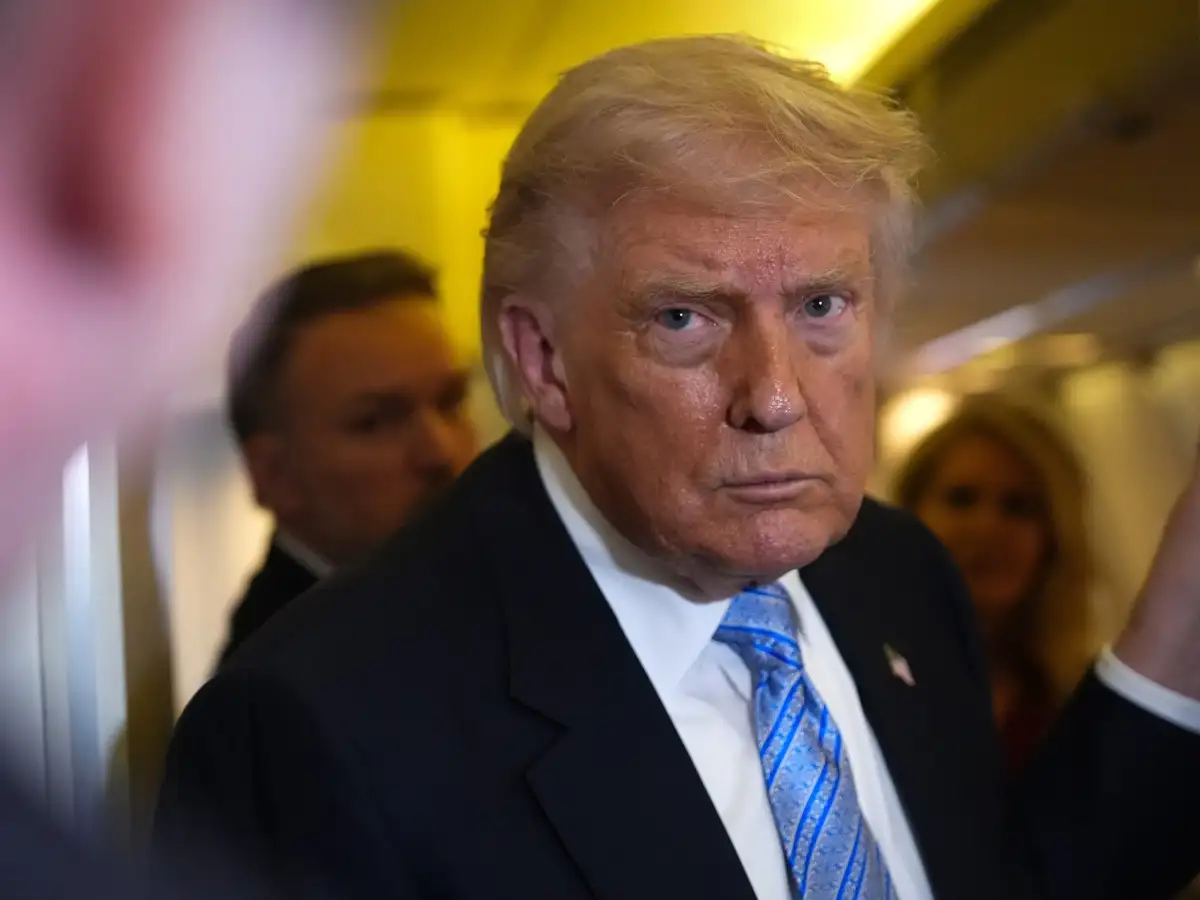
Critics, however, have decried the settlement. An advocacy group, Citizens for Responsibility and Ethics in Washington (CREW), labeled the action "one of the single most corrupt acts in American history." CREW President Donald Sherman argued that the substantial taxpayer funds could end up benefiting Trump's "friends and allies," potentially including individuals involved in the January 6th Capitol events.
In addition to relinquishing the IRS lawsuit, Trump also agreed to withdraw two administrative claims. These included claims for damages related to the 2022 search of Mar-a-Lago and the "Russia-collusion hoax." The Justice Department indicated that claims processing for the new fund would cease no later than December.
Read More: Supreme Court May Order Ayodhya Temple Fund Audit Due to Theft Claims
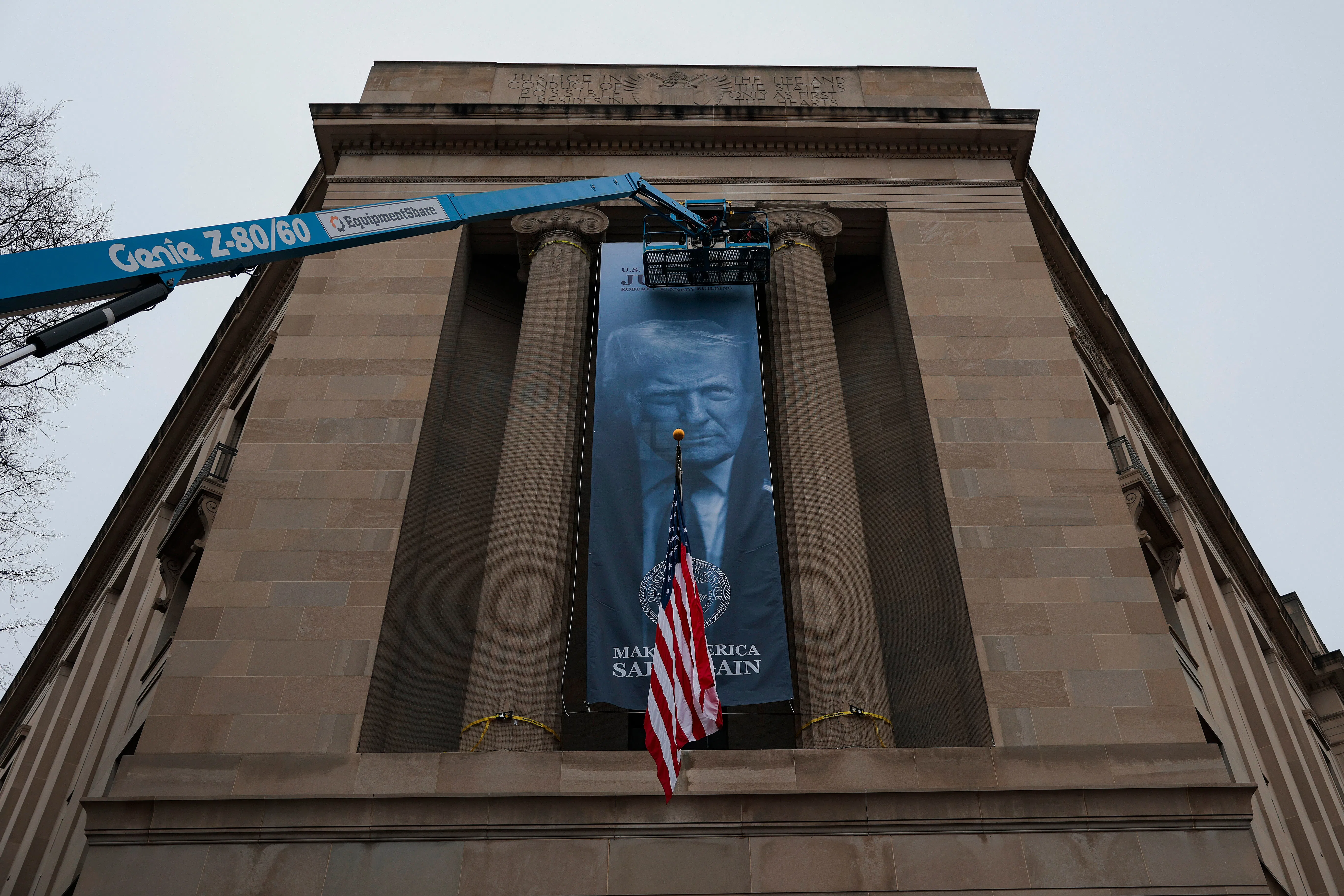
The circumstances surrounding the lawsuit and its dismissal have raised questions about potential conflicts of interest, particularly given Trump's control over the Justice Department. Independent attorneys noted in a prior filing that the situation "raise[d] the specter that Defendants and their attorneys may instead be operating at the President's direction." House Democrats have also voiced concerns, characterizing the lawsuit and settlement as "blatantly unlawful" and indicative of parties potentially manipulating the court system for "illicit ends."
The voluntary dismissal means the case is self-executing, divesting the court of jurisdiction over its merits, though ancillary authority for sanctions remains. U.S. District Judge Kathleen M. Williams, who was overseeing the IRS case, subsequently ordered the case closed.
The creation of the fund was established ahead of court-imposed deadlines that would have required the Trump administration to justify the case's validity, especially considering the inherent complexities of the President suing entities under his own administration. The White House deferred questions regarding the filing to the Justice Department.
Read More: New York City Mamdani Administration Fights for 9/11 Records