As of today, September 5, 2026, United States Secretary of State Marco Rubio continues to manage the fallout from the diplomatic strain between the Trump Administration and the Holy See. During a series of meetings concluded this week in Rome, Rubio addressed the escalating rhetoric between President Donald Trump and Pope Leo XIV, specifically concerning foreign policy alignment in the Middle East and international nuclear oversight.
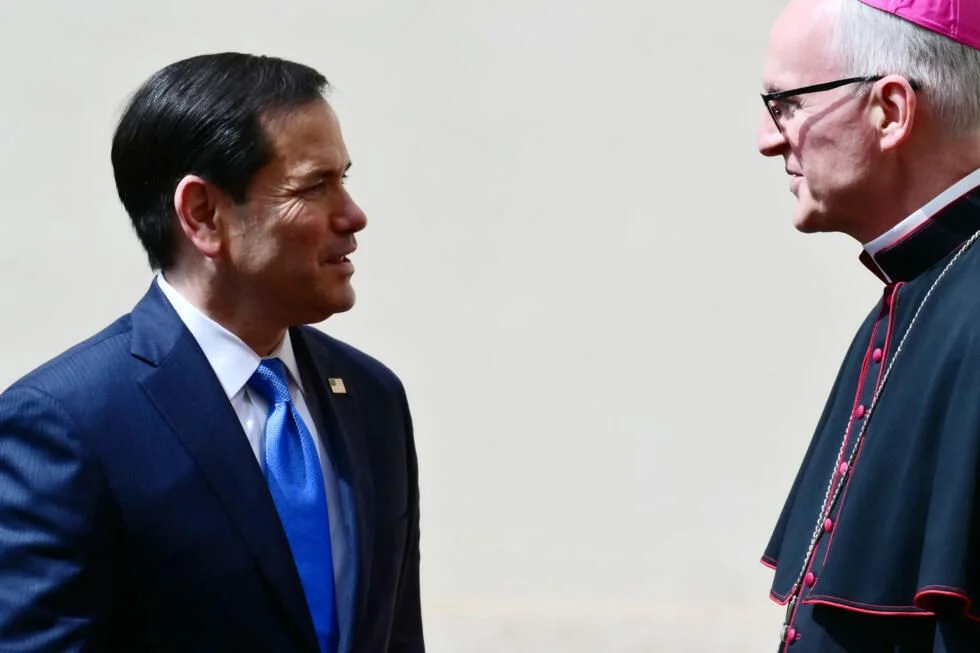
Core Signal: The United States seeks to stabilize its rapport with the Vatican amid systemic crises of leadership and divergent views on Iranian nuclear diplomacy.

Strategic Meetings and Diplomatic Posture
During his visit, Rubio met with Pope Leo XIV for a private audience, followed by substantive discussions with the Holy See’s Secretary of State, Cardinal Pietro Parolin. The mission serves as an official effort by Washington to de-escalate tensions that have been exacerbated by recent executive criticisms of the pontiff.
Read More: Taiwan Holds Nantou County Drills to Prepare for State Collapse
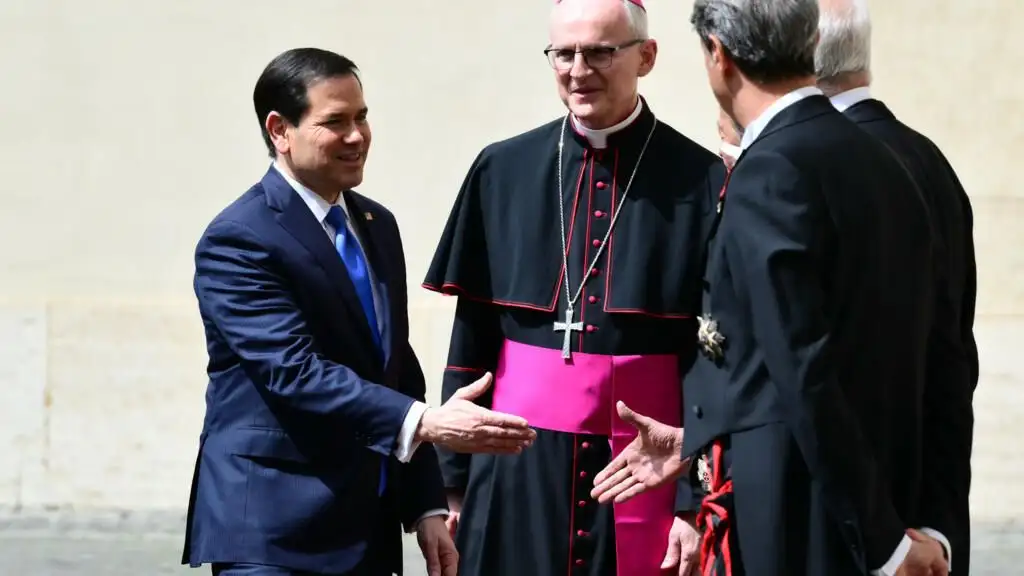
The exchange of symbolic gifts—including a crystal American football from Rubio and an olive-wood pen from the Pope—acted as the aesthetic buffer for high-stakes political friction.
Rubio’s presence serves to reconcile the Trump administration's focus on hard-line containment policies with the Vatican's historical preference for multilateral dialogue and diplomatic mediation.
Diplomatic channels remain open regarding Cuba, a long-standing area where the Holy See maintains a unique influence that Washington seeks to leverage.
Institutional Friction Points
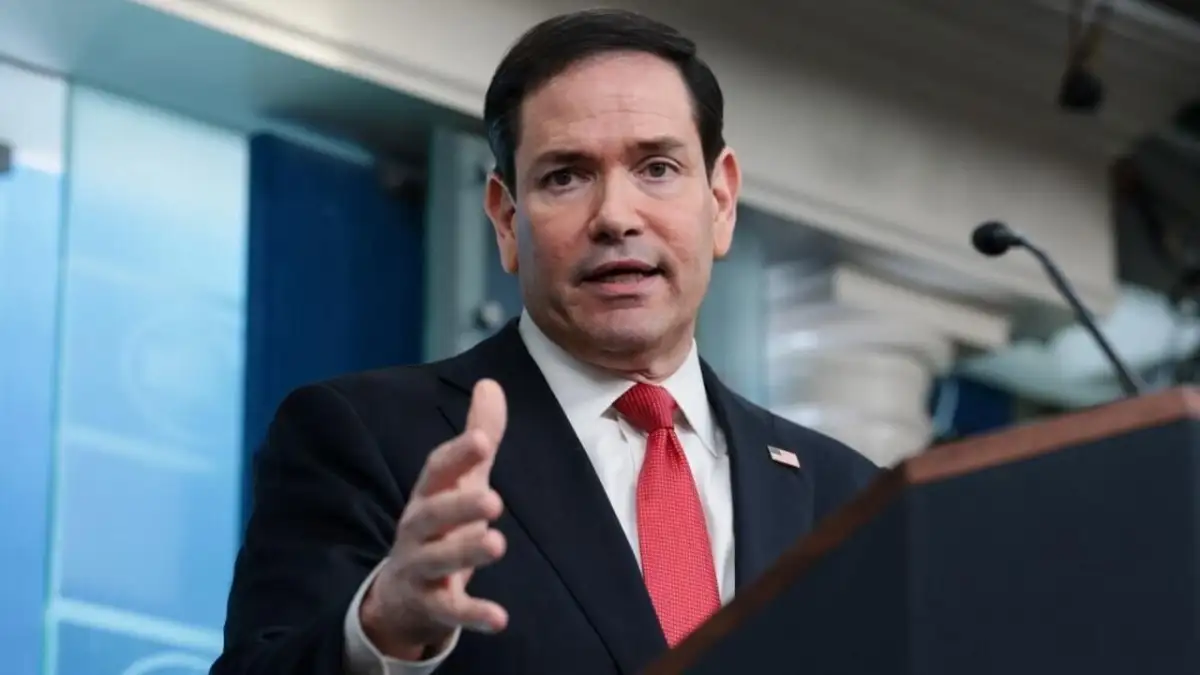
The relationship is currently tested by competing worldviews on global security. While Washington frames the Pope’s approach to Iran as overly conciliatory, the Vatican maintains that direct engagement is the only pathway to prevent wider conflict.
| Point of Contention | U.S. Perspective | Holy See Stance |
|---|---|---|
| Nuclear Policy | Skepticism of Iranian intent | Prioritizes mediation |
| Middle East | Emphasis on unilateral action | Advocacy for humanitarian outreach |
| Diplomatic Role | Transactional/Bilateral | Soft-power/Multi-polar |
Contextualizing the Visit
The visit is framed by an underlying, broader uncertainty regarding American commitments to international frameworks, specifically NATO. Although Rubio clarified that the Trump Administration has not reached a definitive conclusion on withdrawing from the alliance, he openly acknowledged the presence of significant, unresolved disagreements with European partners. This signaling reflects a growing tension in the post-2024 global order, where traditional alliances are being measured against the domestic mandates of the current administration.
Note: The referenced corporate entity 'Rubio Monocoat' Wood Protection is unrelated to the political office held by the Secretary of State; inquiries regarding wood finishing technology remain distinct from diplomatic statecraft.
Read More: AFP Reviews War Crime Claims Against Australian in Gaza