Recent statements by Keir Starmer, leader of the UK's Labour Party, suggest a significant push to redefine the structure and purpose of Western alliances. These proposals come amidst complex global security challenges, particularly concerning Russia's ongoing actions and the future of Ukraine. Starmer's calls highlight a perceived need for a more robust and unified Western response, while also pointing to a critical re-evaluation of existing defense commitments.
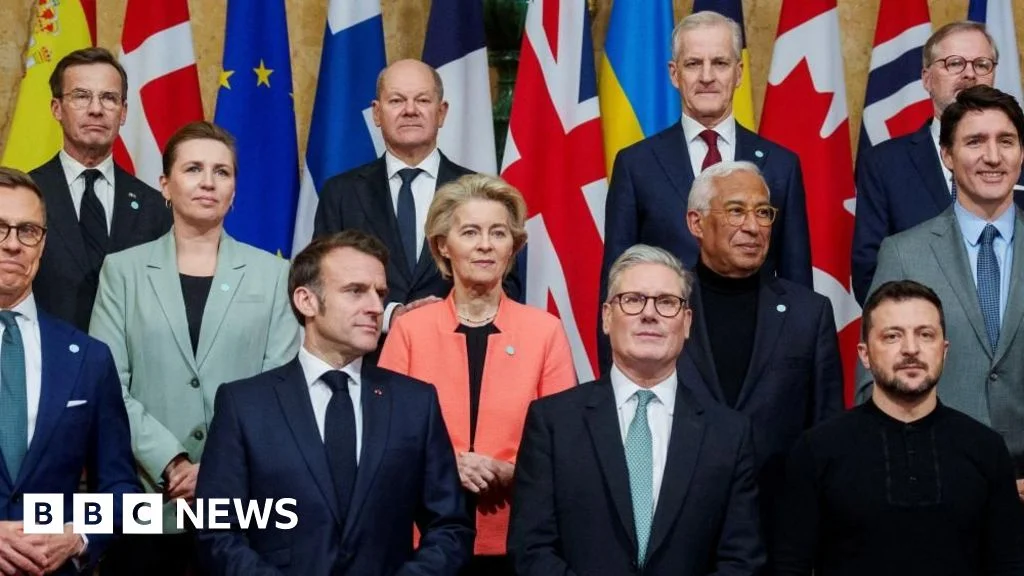
Shifting Sands of Global Security
In recent addresses and statements, Keir Starmer has articulated a vision for a substantially reformed Western alliance. The context for these remarks is the ongoing conflict in Ukraine and broader concerns about international stability. Starmer's approach appears to stem from an observation that current frameworks may be insufficient to address the evolving geopolitical landscape.
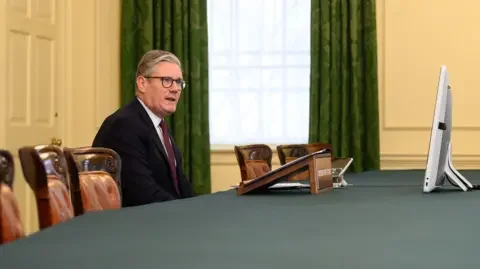
Starmer's proposals are framed against the backdrop of the Munich Security Conference, a key international forum for discussing global security.
His statements indicate a desire to ensure that Western nations are not overly reliant on any single power, such as the United States, nor excessively burdened by collective defense costs.
He has also pointedly criticized domestic political groups, specifically Reform UK and the Green Party, accusing them of being "soft on Russia" and "weak on NATO."
Read More: Bangladesh Party Thanks India's PM Modi After Election Win
Key Signal: Starmer is advocating for a strategic adjustment in Western defense and alliance structures, aiming for greater European self-reliance while maintaining strong transatlantic ties.

Examining Starmer's "Remade" Alliance
Starmer's proposals for a "remade" Western alliance appear to be multi-faceted, touching upon defense capabilities, financial commitments, and diplomatic strategies.

Defense Investment: There is an evident emphasis on the need for Britain and its allies to bolster their own defense capabilities. This includes a call to increase Ukraine's long-range missile capacity, as reported in October 2025.
Financial Prudence: Starmer's remarks suggest a desire for a more balanced approach to financial contributions within alliances. The statement, "We must not be overdependent on America, but neither should we offer Europe a blank cheque, prepared to accept any and all costs as Labour are," indicates a call for carefully considered financial commitments.
Post-Ceasefire Security for Ukraine: Beyond immediate military aid, Starmer has discussed preparations for securing Ukraine's future, particularly in the event of a ceasefire. This involves coordinating with allies to "swing in behind a peace deal and guarantee Ukraine’s future security."
Read More: UK Will Send Warships to Arctic Area
"We agreed we will keep increasing the pressure on Russia, keep the military aid flowing to Ukraine, and keep tightening restrictions on Russia’s economy to weaken Putin’s war machine and bring him to the table.” - Keir Starmer
Criticism of Opposing Parties
A notable aspect of Starmer's recent messaging involves direct criticism of other political parties regarding their stance on international security.
Reform UK and Green Party: Starmer has accused these parties of being inadequately aligned with Western security interests.
The accusation is that they are "soft on Russia" and "weak on NATO."
This framing positions these parties as potentially undermining collective security efforts.
Building a "Coalition of the Willing"
Starmer's vision also includes the formation or strengthening of a "coalition of the willing" to address specific security challenges, particularly in Ukraine.
Read More: Nicki Minaj Talks About SAVE Act with Fans
Post-Truce Preparations: This coalition has been described as stepping up preparations to support Ukraine after a potential truce. This includes discussions with the United States on a daily basis and military meetings to "put strong and robust plans in place."
International Participation: While Starmer has indicated participation from various nations including Germany, France, Italy, Canada, and Australia, along with Ukrainian President Volodymyr Zelenskiy and NATO's Secretary General, reports suggest the US was not initially part of a specific meeting focused on these preparations in the UK.
Complexity and Execution: The undertaking of such an alliance is described as "big, still somewhat nebulous," requiring substantial work to be fully realized and prepared for complex tasks like maintaining peace.
"Our militaries will meet on Thursday this week here in the United Kingdom to put strong and robust plans in place to swing in behind a peace deal and guarantee Ukraine’s future security.” - Keir Starmer
Expert Perspectives
Analysis of Starmer's proposals suggests a strategic intent to adapt to a changing global order.
Read More: Starmer Says Green and Reform Policies Could Harm Europe's Safety
Probing Questions on Timeliness: One perspective questions the timing of these calls, with a prompt asking, "The world’s changed now – but that begs the question why he didn’t make this call months ago." This implies a view that the proposed urgency might be a reaction rather than proactive policy.
Potential for Coalition Formation: The viability of Starmer's proposed coalition is also a subject of consideration. It is noted that such an alliance could "struggle to get off the ground," particularly if key actors like former US President Donald Trump maintain specific positions on security guarantees.
Conclusion and Implications
Keir Starmer's recent calls for the Western alliance to be "remade" signify a detailed proposal to adjust international security and defense structures. His emphasis on greater European self-reliance, balanced financial contributions, and proactive planning for future security scenarios, particularly concerning Ukraine, indicates a significant shift in rhetoric and policy. The effectiveness of these proposals will likely depend on international cooperation, the alignment of strategic interests among allies, and the successful mobilization of a "coalition of the willing." The criticisms leveled against domestic political opponents also serve to frame the debate around national security within the UK.
Read More: Illinois Democrats Debate ICE Agency in Senate Race
Sources:
Financial Times:
https://www.ft.com/content/beee83f7-6e88-4e49-87c4-802d9dff9053 (Focuses on general access to FT journalism; contextual use for article 1)
https://www.ft.com/content/3edb2552-2f0b-41b3-b972-41127e917211 (Discusses Starmer's bid to save a Western alliance; contextual use for article 7)
Sky News:
https://news.sky.com/story/sir-keir-starmer-to-accuse-reform-uk-and-greens-of-being-soft-on-russia-and-weak-on-nato-13507363 (Reports on Starmer's accusations against Reform UK and the Greens regarding Russia and NATO)
BBC News:
https://www.bbc.com/news/articles/clyzgr5xgv6o (Analyzes the potential challenges in materializing Starmer's proposed alliance)
The Journal:
https://www.thejournal.ie/zelenskyy-starmer-allies-long-range-missiles-ukraine-london-summit-6853968-Oct2025/ (Covers Starmer's call for allies to bolster Ukraine's long-range missile capability)
LBC:
https://www.lbc.co.uk/article/new-world-order-starmer-juggles-looming-tariffs-a-western-alliance-5HjczrF2/ (Discusses Starmer's agenda including alliance issues during a period in Washington)
The Irish Times:
https://www.irishtimes.com/world/europe/2025/03/15/ukraine-war-talks-latest-news/ (Details Starmer's statements on a "coalition of the willing" preparing for post-truce Ukraine and pressuring Russia)
Read More: Alexandria Ocasio-Cortez Says Trump's Foreign Plans Could Help Authoritarian Leaders