The United Kingdom has officially authorized the United States to utilize British military bases for offensive operations aimed at Iranian missile sites threatening maritime traffic in the Strait of Hormuz. This significant shift in policy permits US forces to strike capabilities used to target vessels, a move that broadens the scope beyond previously allowed defensive actions. The decision, confirmed by Downing Street following a cabinet meeting, signifies an escalation in the UK's involvement in the escalating regional conflict.

The bases in question include RAF Fairford in Gloucestershire and the joint US-UK facility at Diego Garcia in the Indian Ocean. This expansion of access follows Iran's recent actions, including firing missiles towards Diego Garcia, though reports indicate these attempts were unsuccessful. Prime Minister Keir Starmer's administration reversed an earlier stance that had restricted US base usage to purely defensive operations safeguarding British interests and lives. This change in approach appears to be a direct response to Iran's increased targeting of international shipping, which the UK government has condemned as reckless and destabilizing.
Read More: Trump to Deploy ICE to Airports March 23 if DHS Funding Fails
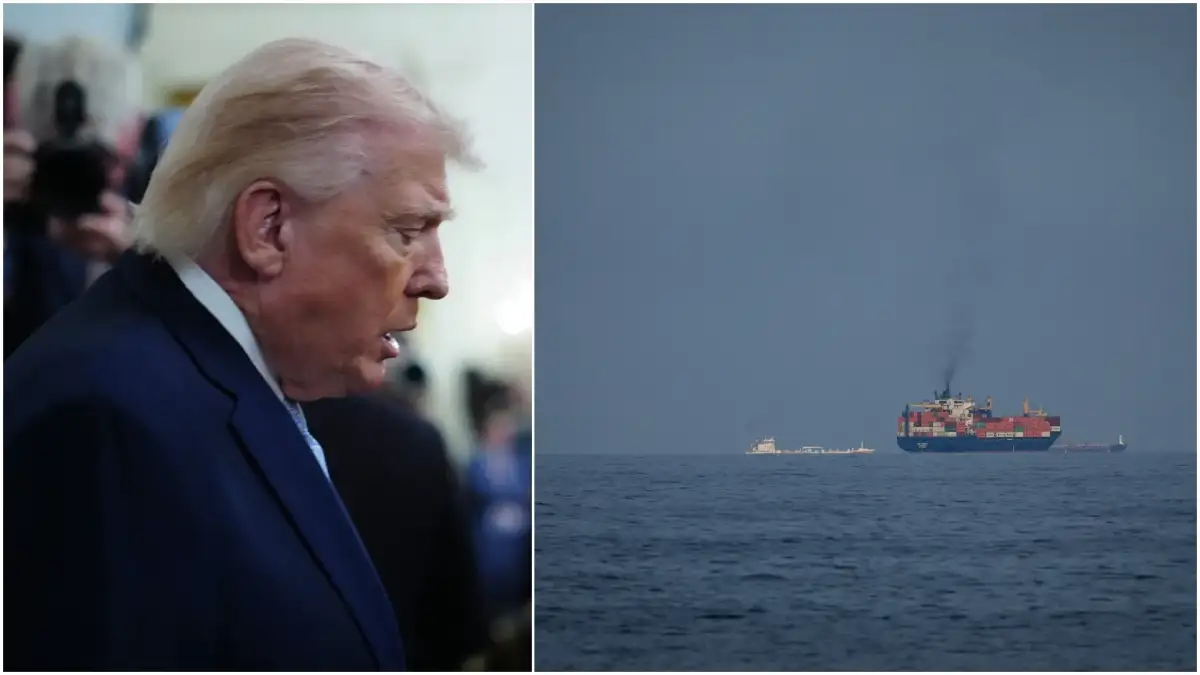
"The agreement for the US to use UK bases in the collective self-defence of the region includes US defensive operations to degrade the missile sites and capabilities being used to attack ships in the Strait of Hormuz." - Downing Street spokesperson
The decision has drawn criticism from some political factions. Opposition leader Kemi Badenoch labelled the policy shift a "mother of all U-turns." Former US President Donald Trump also commented, suggesting Britain's decision was "very late." The Liberal Democrats have called for a parliamentary vote on the terms of this expanded agreement.
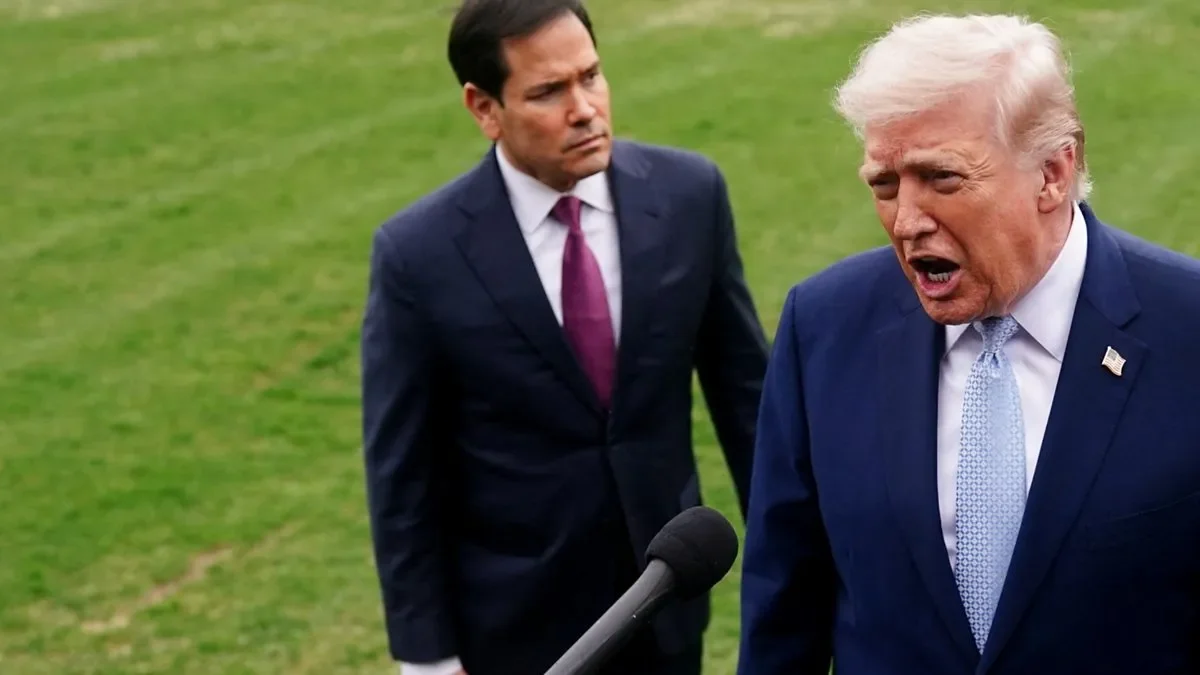
The Strait of Hormuz, a vital maritime chokepoint, handles approximately one-fifth of the world's oil supply daily. Iran's actions have been described as a "blockade" and "escalating attacks" on vessels and oil facilities, posing a significant risk to regional stability and global economic impacts, including those felt in the UK. The UK government maintains its commitment to international law and de-escalation, stating it does not wish to be drawn into a wider conflict.
The broader context for this decision involves an ongoing war between the United States, Israel, and Iran, which has intensified following a joint offensive by the US and Israel on Iran in February. Recent incidents include Iran firing ballistic missiles at Diego Garcia and reports of shrapnel falling on a warehouse in Bahrain after an incident. The United Nations Security Council has held urgent discussions on the situation, with Gulf countries urging Iran to cease its attacks.
Read More: Japan May Sweep Mines in Strait of Hormuz If Conflict Ends