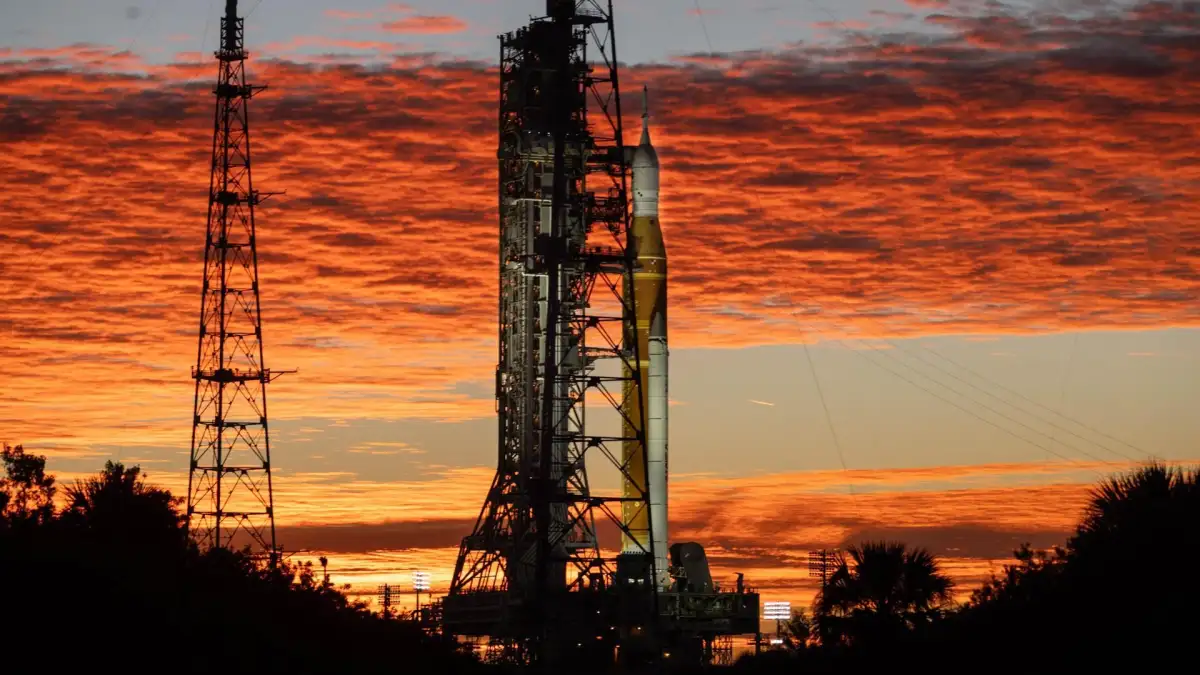
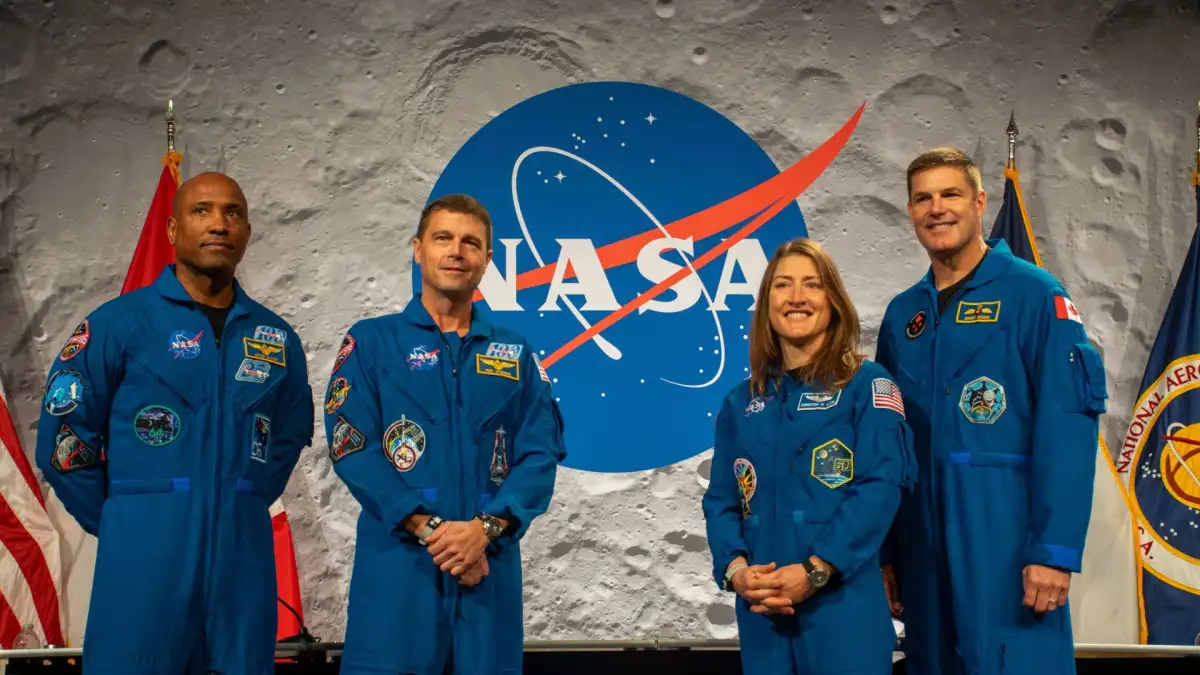
Nations signatory to the Artemis Accords are currently negotiating the practical application of 'harmful interference' and emergency protocols on the lunar surface. While these Accords seek to operationalize existing Outer Space Treaty obligations, the lack of a centralized enforcement mechanism creates significant gray zones.
The core tension rests on the creation of 'safety zones'—territorial proxies that risk contradicting the principle of non-appropriation found in established international space law.
Interoperability vs. Autonomy: Member states are expected to coordinate on hardware and registration to avoid accidental interference, yet the definition of what constitutes a 'harmful' act remains dangerously subjective.
Emergency Assistance: Signatories are bound to assist personnel in distress, but the logistics of rescue operations between diverse technological systems remain untested and largely theoretical.
Resource Utilization: Extraction practices are framed as compliant with current treaties, though the practical execution—specifically how to manage competing claims near the lunar south pole—lacks a concrete regulatory framework.
The Bifurcated Orbit
The international space order is splitting. On one side, the U.S.-led Artemis architecture; on the other, a burgeoning Sino-Russian ILRS (International Lunar Research Station) bloc.

| Feature | Artemis Accords Framework | Emerging ILRS Bloc |
|---|---|---|
| Primary Driver | US / NASA-led | China / Russia-led |
| Legal Basis | Outer Space Treaty | Bilateral/Alternative multilateralism |
| Key Mechanism | 'Safety Zones' & Transparency | Infrastructure Interoperability |
| Status | Multi-national coalition | Competing exclusionary pole |
Contextualizing the Void
The Artemis Accords emerged as a pragmatic, if fragmented, response to the insufficiency of the 1967 Outer Space Treaty. By defining how to register objects and deconflict operations, signatories attempt to bring order to a vacuum. However, the absence of major powers like China—who view these accords as a tool of American geopolitical influence—suggests that "peaceful exploration" will remain subordinate to terrestrial strategic interests.
Read More: NASA Robot Mission Launched to Raise Swift Telescope Orbit, Add 10 Years
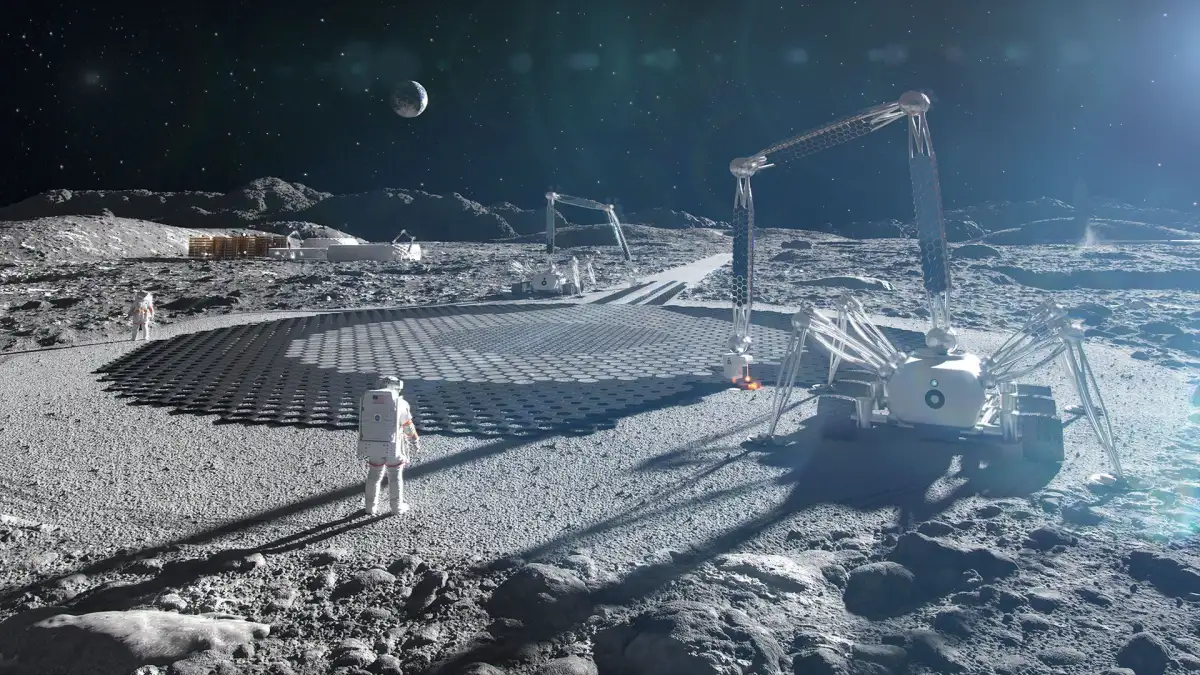
As states move toward sustained lunar presence, the "celestial tightrope" requires more than diplomatic intent. Without binding, universal arbitration for accidents or resource disputes, the moon may transform from a site of scientific collaboration into a theater of high-stakes lawfare.