Social Media Outburst Marks Mueller's Death
Donald Trump took to his social media platform, Truth Social, shortly after the news of former special counsel Robert Mueller's death broke. Trump posted, "Good, I'm glad he's dead. He can no longer hurt innocent people!" This statement, made in response to the passing of an 81-year-old Mueller, has drawn widespread condemnation from various political figures and commentators.
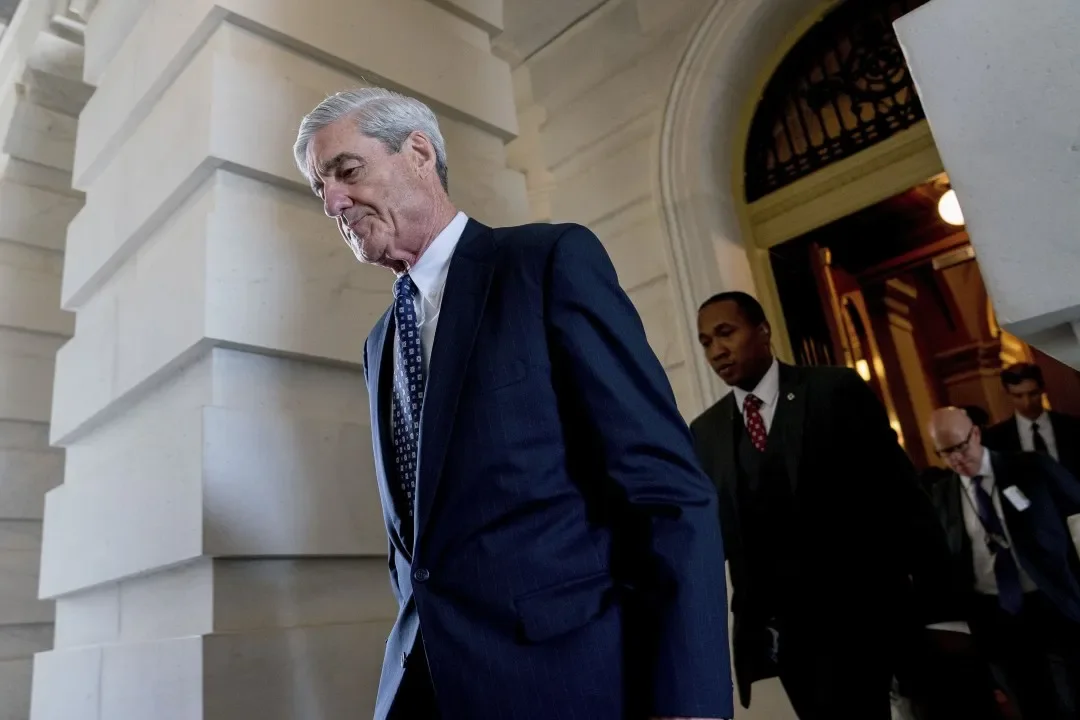
Mueller, who had previously disclosed a Parkinson's diagnosis, led the investigation into alleged Russian interference in the 2016 presidential election. This investigation resulted in indictments and guilty pleas from several Trump allies, including Roger Stone and George Papadopoulos. Trump had consistently attacked Mueller and the investigation, characterizing it as a politically motivated effort to remove him from power.

Media Scrutiny and Differing Reactions
While many news outlets covered Trump's remarks extensively, some, notably Fox News, are reported to have largely omitted direct mention of his comments on television, opting for brief news updates or avoiding full discussions. This disparity in coverage has itself become a point of discussion, with critics suggesting an attempt to downplay Trump's reaction.
Read More: UK Ministers Worry Iran Tensions Could Raise Energy Bills for Households

Other networks, in contrast, featured panel discussions and vocal criticism of Trump's choice of words. Democratic officials, including Senate Minority Leader Chuck Schumer, have labeled Trump's comments as "disgusting" and indicative of a pattern of "cruelty." The sentiment that "cruelty is the point" has been articulated, with some suggesting the remarks serve as a distraction from ongoing political issues.

Historical Context of Trump's Comments on Deceased Foes
Trump's reaction to Mueller's death is not an isolated incident. Reports highlight a pattern of what are described as "crass and insensitive comments" from Trump regarding the deaths of perceived enemies. Examples cited include his past remarks on the deaths of figures like John McCain and film director Rob Reiner, and his commentary on the attack on Paul Pelosi.
These instances, coupled with his response to Mueller's passing, are seen by critics as a demonstration of Trump's "refusal to show any grace to perceived foes, even after death." The contrast is further emphasized by comparisons drawn between Mueller's military service, including his wounding in combat and receipt of a Bronze Star, and Trump's deferments during the Vietnam War.
Read More: March 22 2026 puzzle answers are hard to find for USA TODAY NPR NYT
Mueller's Investigation and its Aftermath
Robert Mueller, a decorated Vietnam War veteran, served as FBI Director before being appointed special counsel. His investigation concluded that while it could neither accuse nor exonerate Trump of a crime, it detailed actions by Trump that potentially obstructed justice. Trump's administration had frequently disputed the legitimacy and motives behind the investigation.
The investigation led to seven former Trump campaign advisers pleading guilty, and convictions at trial for prominent figures associated with Trump. Mueller himself had reportedly been too ill to testify before a congressional committee concerning the handling of evidence related to Jeffrey Epstein. His family has requested privacy following his death.