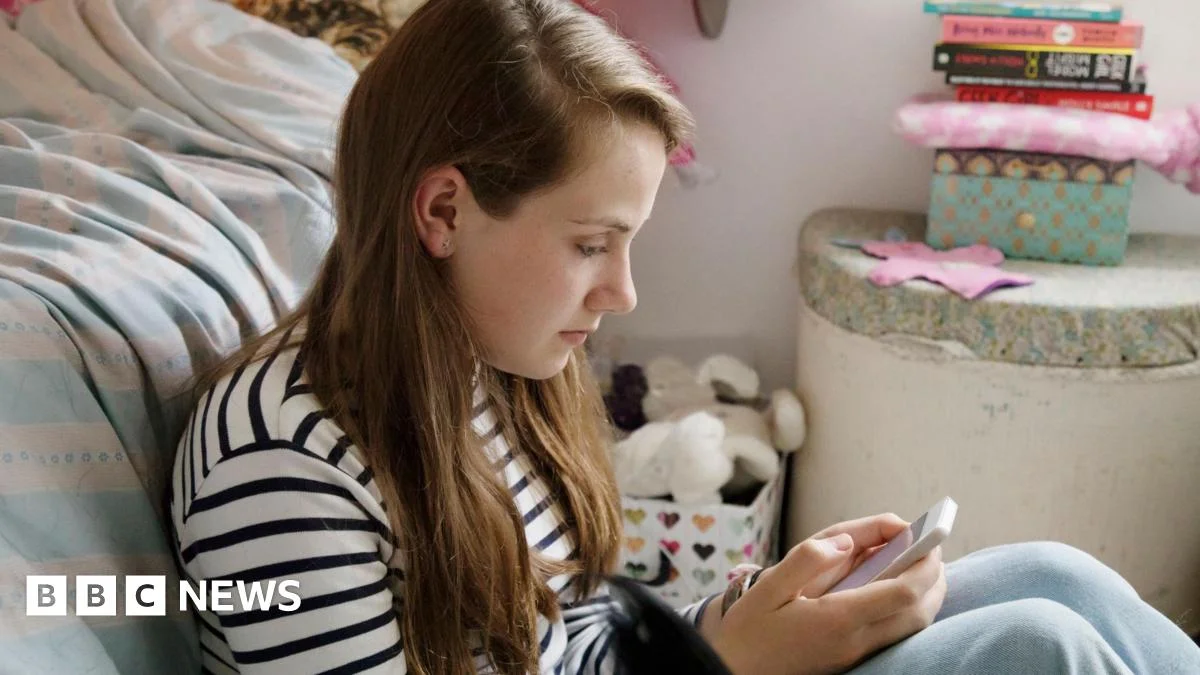
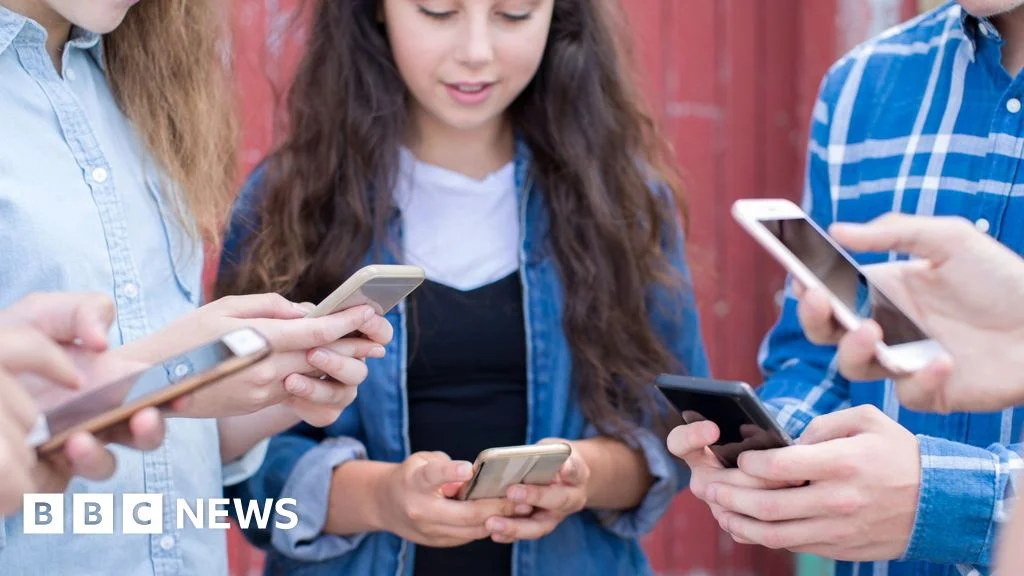
Concerns are escalating regarding the potential impact of social media on young people, prompting the UK government to re-evaluate its approach to online safety. A proposed ban on social media access for individuals under the age of 16 is under active consideration, reflecting a growing alignment with international efforts to mitigate risks associated with early and unrestricted digital engagement. The debate highlights a critical juncture for technology regulation, balancing the protection of minors with the complexities of the digital landscape.

Timeline of Developments
The UK government's stance on social media regulation for minors has evolved, with recent announcements signaling a shift towards more stringent measures.

December 2025: Australia implements a mandatory minimum age of 16 for accessing social media platforms, becoming a precedent for other nations.
January 2026:
The House of Lords is scheduled to vote on proposals for an under-16 social media ban as part of the Children's Wellbeing and Schools Bill.
Reports indicate Prime Minister Keir Starmer is preparing to back legislation for such a ban, signalling a hardening of the government's position.
Some government officials have expressed reservations, with certain ministers reportedly opposing a ban for under-16s.
Discussions are ongoing with tech company representatives in California regarding proposed restrictions.
February 2026 (Current Period):
The government confirms it remains "open-minded" about a social media ban for under-16s.
Plans are underway to launch a public consultation in March on children's use of social media, including potential restrictions on AI chatbots and "doomscrolling" features.
Measures are being proposed to ensure tech companies preserve children's data upon their death, a development linked to the "Jools' Law" campaign.
The government aims to expedite legislation concerning technology and online safety, drawing a parallel to the swift passage of the Online Safety Act.
Key Actors and Positions
Prime Minister Sir Keir Starmer has indicated the government will implement measures to protect children online, including a review of social media use by minors.
Read More: Keir Starmer Says He Didn't Know About Report on Journalists
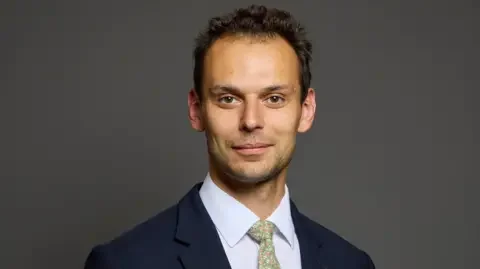
Prime Minister Sir Keir Starmer: Expresses an "open-minded" view on an Australian-style ban for under-16s. He emphasizes the need to act quickly to protect children from harmful content and addictive platform designs.
Liz Kendall (Technology Secretary): Supports a thorough consultation process but stresses the need for swift action once decisions are made. She has been involved in discussions with tech firms.
Peter Kyle (Business Secretary), Bridget Phillipson (Education Secretary): Reportedly oppose a social media ban for under-16s.
Wes Streeting (Health Secretary): Has sought advice on the evidence base for Australia's ban.
Campaigners and Families: Individuals like Ellen Roome advocate for stricter measures, sharing personal experiences to underscore the need for action. The "Jools' Law" campaign aims to ensure tech companies retain children's data after their death.
Police Chiefs: Call for tougher controls, citing concerns about normalization of violence and radicalization of young people on social media.
Royal College of Psychiatrists: Reports a significant increase in child mental health support requests, linking it to early, unrestricted social media access.
Social Media Companies: Are reportedly resisting further restrictions on young people's platform access.
Evidence of Harm and Proposed Solutions
A growing body of evidence suggests a link between early, unrestricted social media access and negative impacts on young people's mental health.
Read More: Linux Mint: Still a Good Windows Choice?

Mental Health Impacts:
A 477% increase in child requests for mental health support over the last decade.
Associated rises in anxiety, depression, ADHD, self-harm, and body dysmorphia.
Concerns about short-sightedness possibly linked to screen time.
Proposed Legislative Actions:
Consultation on Social Media Use: To gather opinions on restricting children's access to AI chatbots and limiting features like infinite scrolling ("doomscrolling").
Data Preservation for Deceased Children: Coroners to notify Ofcom of child deaths (aged 5-18) to ensure tech companies do not delete relevant data.
Faster Legislation: Streamlining the process for enacting new laws related to technology.
Holding Platforms Accountable: Ensuring no platform receives a "free pass" regarding child safety.
International Comparisons and Debates
The UK's potential move mirrors actions taken by other countries, notably Australia.
Australia's Approach: Introduced a mandatory minimum age of 16 for social media access in December 2025.
Industry Standards: Some platforms, such as Instagram, already have a minimum age requirement of 13, with features like "Teen Accounts" offering parental controls and time limits.
Divergent Views within Government: While some ministers express openness to a ban, others are reportedly opposed, indicating internal debate within the UK government.
Technological Features Targeted: Beyond age restrictions, the government is considering controls on "addictive elements" like infinite scroll and auto-play features, as well as AI chatbot content.
Expert and Stakeholder Perspectives
The issue of social media's impact on children is a subject of considerable concern among various experts and organizations.
Read More: HMRC Fixes Pension Tool That Gave Wrong Information
Guy Northover, Royal College of Psychiatrists: States, "There is a growing body of evidence that suggests early, unrestricted access to social media can have a lasting and damaging impact on young people’s mental health."
Police Chiefs: Advocate for stronger controls, highlighting concerns about the normalization of violence and the radicalization of young people online.
Advocates for Action: Families affected by online harm are actively campaigning for legislative changes, emphasizing the need for answers and preventative measures.
Conclusion and Future Steps
The UK government is poised to intensify its efforts to safeguard children online, with a social media ban for under-16s being a prominent consideration. The administration's stated intent is to expedite legislative action, learning from the protracted passage of the Online Safety Act.
Key Findings:
The government acknowledges the potential harms of social media on young people's mental health and development.
An "open-minded" approach to an Australian-style ban for under-16s is being maintained.
A public consultation on children's social media use is scheduled for March.
Measures to preserve children's data after death are being proposed.
Implications:
Social media companies may face significant new regulations concerning user age verification and platform design features.
The government aims to establish the UK as a leader in online child safety.
Next Steps:
The outcome of the House of Lords vote on the Children's Wellbeing and Schools Bill amendment is anticipated.
The upcoming public consultation in March will be crucial in shaping future policy decisions.
Further engagement with tech firms is expected as the government considers its regulatory path.
Sources:
The Guardian: https://www.theguardian.com/politics/live/2026/feb/16/social-media-online-safety-act-keir-starmer-uk-politics-live-news-updates
Context: Live news update covering UK politics, specifically the ongoing discussion around social media regulation and child safety.
Context: News report detailing Prime Minister Keir Starmer's pledges to enhance child protection online, including specific new proposals and planned consultations.
Sky News: https://news.sky.com/story/government-announces-sweeping-crackdown-on-social-media-firms-13507847
Context: Report on the UK government's announcement of a broad crackdown on social media companies, referencing Australia's age restrictions and emphasizing accountability.
The Register: https://www.theregister.com/2026/02/16/starmersocialmedia/
Context: Technical news outlet reporting on Prime Minister Starmer's fast-track plans for social media age limits and potential restrictions on platform features like infinite scroll.
BBC News (January 15, 2026): https://www.bbc.com/news/articles/c2k9z535e08o
Context: News article discussing hints from Keir Starmer about potential support for a social media ban for under-16s, noting upcoming parliamentary votes and existing platform age limits.
BM Magazine: https://bmmagazine.co.uk/news/starmer-under-16-social-media-ban-policy/
Context: Business and news magazine article detailing Prime Minister Starmer's apparent shift towards backing legislation to ban under-16s from social media platforms.
The Observer: https://observer.co.uk/news/national/article/starmer-accused-of-blind-spot-over-dangers-of-social-media-for-children
Context: News report on accusations of a "blind spot" regarding social media dangers for children, outlining concerns from police chiefs, psychiatrists, and internal government disagreements.
Read More: AR Graphics Make Sports TV More Exciting