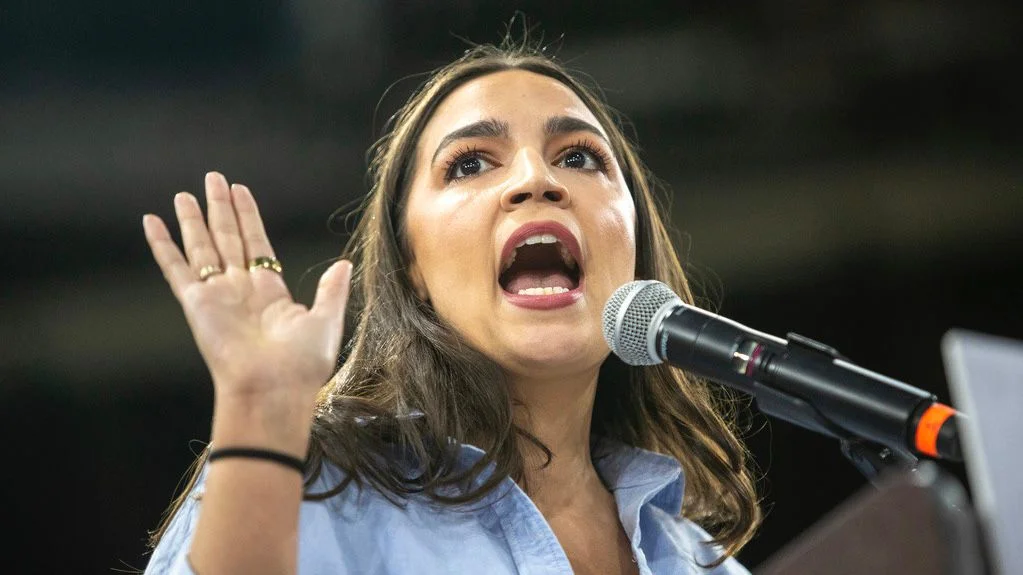
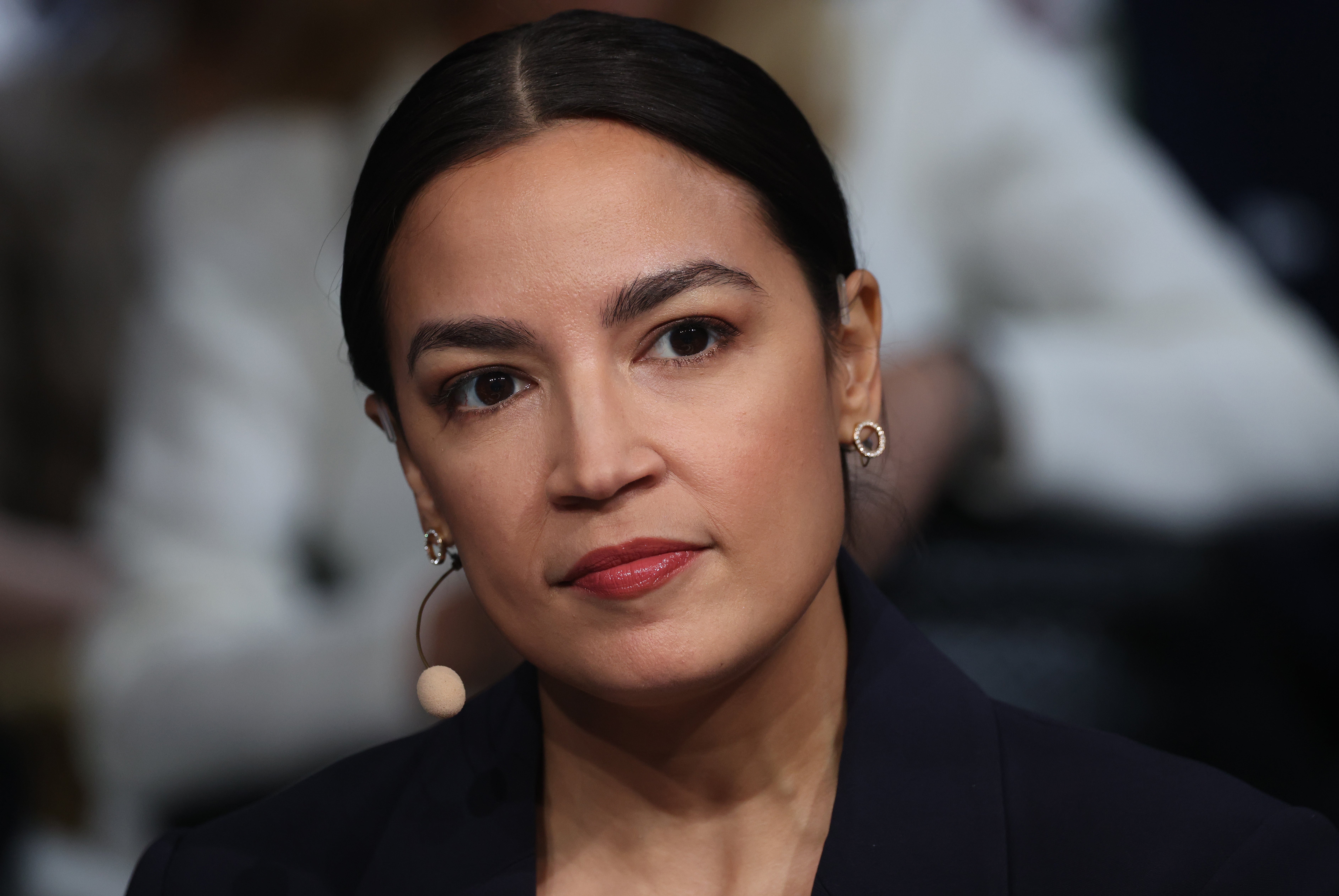
At the Munich Security Conference, a prominent gathering of global leaders and diplomats, Alexandria Ocasio-Cortez (AOC) used the platform to articulate her views on foreign policy and critique current U.S. international relations. Her participation, described by one analyst as a "global breakout moment," occurred against a backdrop of international instability and ongoing discussions about the future direction of American foreign policy, particularly concerning the potential return of Donald Trump to the presidency. The conference provided a stage for AOC to engage with world leaders and present a contrasting vision to the Trump administration's approach.
Context and Timeline
The Munich Security Conference is a yearly forum where international leaders, diplomats, and experts convene to discuss pressing global security issues. Alexandria Ocasio-Cortez's attendance this year marked her debut at the event. Her remarks were delivered shortly after previews of her foreign policy views were shared with the press, signaling a deliberate presentation of her perspective on the global stage. The timing of her appearance also coincided with domestic political events in the United States, including a government shutdown that impacted travel for some lawmakers.
Read More: Kal Penn Says Obama Isn't Progressive Now
February 11-13, 2026: Munich Security Conference takes place.
Leading up to Conference: AOC's foreign policy adviser previews her remarks to NBC News.
During Conference: AOC participates in panels, delivers speeches, and engages with global leaders.
Domestic Context: A U.S. government shutdown is ongoing, affecting some congressional travel.
Key Themes and Statements
AOC's statements at the Munich Security Conference centered on several core themes:

Democracy and Economic Delivery: She argued that for democracies to remain resilient against authoritarianism, they must demonstrate tangible benefits for the working class.
Critique of Trump's Foreign Policy: AOC repeatedly criticized Donald Trump's approach to international relations, characterizing it as volatile and undermining of democratic norms and alliances. Specific criticisms included:
Withdrawal from international agreements (e.g., Paris Climate Accords).
Disrupting the transatlantic partnership.
Undermining a "rules-based order."
Potential for isolating the U.S. from global partnerships.
Authoritarianism Concerns: She expressed that Donald Trump's policies and rhetoric were contributing to an "age of authoritarianism" and suggested a desire to "carve out a world where Donald Trump can command the western hemisphere and Latin America as his personal sandbox."
International Aid and Commitments: AOC called for a recommitment to international aid and global compacts, contrasting this with the Trump administration's withdrawal from such agreements.
Economic Inequality and Instability: She linked high levels of income inequality to social instability and the rise of right-wing populism and authoritarianism.
Evidence and Documentation
The following evidence has been gathered from news reports detailing AOC's participation and statements:
Read More: Hillary Clinton Says Migration Needs Fixing with Safe Borders
Critique of Trump Administration: AOC stated that Donald Trump and Secretary of State Marco Rubio were "looking to withdraw the United States from the entire world so that we can turn into an age of authoritarianism."
"Rules-Based Order": She asserted that "the majority of Americans are ready to walk away from a rules-based order" despite the Trump administration's actions.
"Personal Sandbox": AOC accused Trump of seeking to "carve out a world where Donald Trump can command the western hemisphere and Latin America as his personal sandbox."
USAID and International Agreements: She used the analogy of "hokey-pokey" to describe the perceived inconsistency in U.S. engagement with organizations like USAID and agreements such as the Paris Climate Accord under different administrations.
Economic Drivers: AOC argued, "I believe we’re seeing in economy across economy around the world, including the United States, that extreme levels of income inequality lead to social instability and drives in the sense in authoritarianism, rightwing populism and very dangerous domestic internal politics."
Global Partnerships and Democratic Resilience
AOC's message at Munich emphasized the need for democracies to actively demonstrate their value to their citizens. She posited that a failure to deliver for the working class would leave democracies vulnerable to the appeal of authoritarianism. This perspective suggests a belief that strong domestic economic performance and social equity are foundational to a nation's standing and influence on the international stage.
Read More: California Governor Thinks Trump's Movement Will End Soon
"For democracies to stave off authoritarianism, they must deliver for the working class."
— Alexandria Ocasio-Cortez (as reported by NBC News)
Her critique of the Trump administration's foreign policy suggested a perception that erratic policy shifts and a departure from established alliances weaken democratic institutions globally. The implication is that consistent commitment to international cooperation and shared democratic values is essential for collective security.
The Volatility of U.S. Foreign Policy
A central argument presented by AOC was the instability caused by what she described as the partisan nature of U.S. foreign policy commitments. She highlighted the shifts between administrations, such as withdrawing from and then rejoining the Paris Climate Accords, as detrimental to America's credibility and the global order.
"I think what we are seeing is this idea that US foreign policy is — and some of our more basic and foundational values-based commitments seem to be enacted based on the partisanship of whoever is elected."
— Alexandria Ocasio-Cortez (as reported by the New York Post)
Read More: India Says It Will Decide Its Own Energy Choices
This view suggests that a consistent, values-based foreign policy is crucial, irrespective of the political party in power, to maintain trust and stability in international relations. The "hokey-pokey" analogy points to a perceived lack of seriousness and reliability in U.S. engagement with international bodies and agreements.
Accusations of Authoritarianism and Global Ambitions
Ocasio-Cortez directly accused Donald Trump's administration of actions that could usher in an "age of authoritarianism." She specifically cited his administration's alleged desire to withdraw the U.S. from global engagement and his rhetoric regarding territorial influence in Latin America.
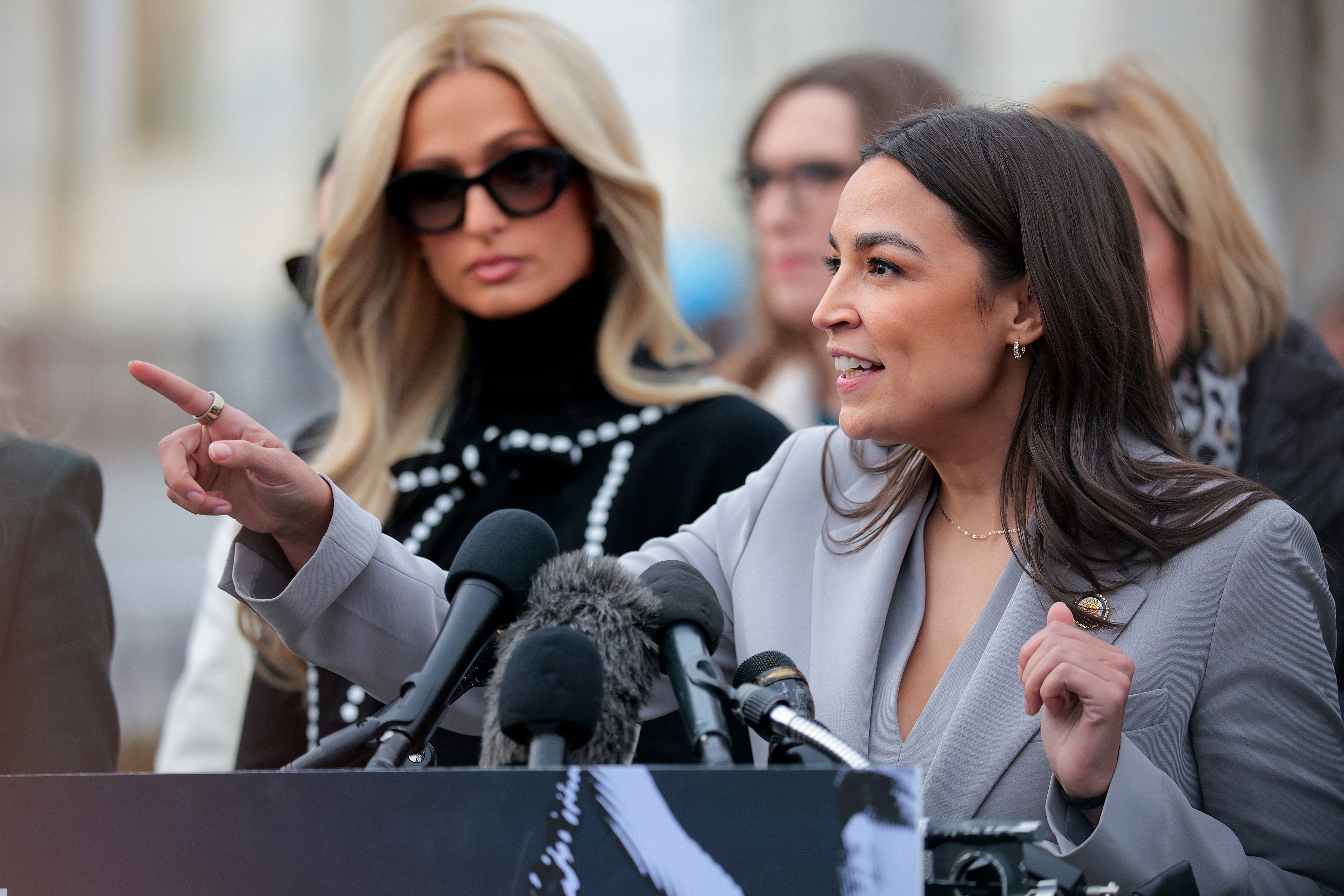
"They are looking to withdraw the United States from the entire world so that we can turn into an age of authoritarianism."
— Alexandria Ocasio-Cortez (as reported by The Guardian)
The interpretation of Trump's actions as a move towards isolationism and a disregard for international norms was a significant element of her address. Her comments were made in the presence of European and Latin American lawmakers, underscoring the gravity of her pronouncements on a global platform.
Speculation on Future Presidential Ambitions
AOC's presence and assertive foreign policy commentary at the Munich Security Conference have intensified speculation regarding her potential presidential aspirations. While she did not directly confirm or deny ambitions for 2028, her engagement on international issues and her critique of leading foreign policy figures are seen by some analysts as indicative of broader political goals.
Read More: Eric Swalwell Reacts to Epstein Files After Supporting Disclosure Bill
Ryan Adams, a progressive political consultant, said he views Munich as a global breakout moment for the congresswoman.
— NY1
Her participation, alongside other Democrats like Gavin Newsom, who also spoke at the conference, suggests a coordinated effort by some in the party to present alternative foreign policy visions and prepare for future electoral contests.

Expert Analysis
According to Ryan Adams, a progressive political consultant, AOC's appearance at the Munich Security Conference served as a "global breakout moment" for her. This assessment suggests that her engagement on the international stage has elevated her profile and provided a platform to define her foreign policy credentials beyond domestic political issues. The conference provided an opportunity for her to present a clear contrast to the foreign policy approaches of the Trump administration and to articulate a vision for American engagement in the world that emphasizes democratic values and global cooperation.
Conclusion and Implications
Alexandria Ocasio-Cortez's participation in the Munich Security Conference represented a notable engagement with international policy discussions. She used the forum to present a critique of current U.S. foreign policy, particularly under Donald Trump, linking domestic economic conditions to the resilience of democracies and warning against an "age of authoritarianism." Her remarks focused on the need for democracies to deliver for working-class populations, a consistent commitment to international agreements, and a rejection of isolationist tendencies.
Read More: German Leader Says Old World Order Is Over, Europe Needs to Be Stronger
The implications of her statements are manifold:
Shaping Democratic Foreign Policy Discourse: AOC's contributions may influence how the Democratic Party articulates its foreign policy platform, potentially pushing for a stronger emphasis on global engagement and economic justice.
Elevating Her National Profile: Her debut on the international stage, as described by analysts, serves to broaden her visibility and may bolster any future national ambitions.
International Perception: Her criticisms, delivered to a global audience, contribute to the international narrative surrounding U.S. foreign policy and its perceived direction.
Further analysis would require observing whether these stated foreign policy positions translate into concrete policy proposals and sustained engagement on the international stage, and how they are received and integrated by broader political movements.
Sources Used
NBC News: https://www.nbcnews.com/politics/congress/munich-aoc-warns-democracies-must-deliver-working-class-stave-authorit-rcna258910
Context: Reports on AOC's statements at the Munich Security Conference, focusing on her message about democracies needing to serve the working class to combat authoritarianism and her critique of Donald Trump's foreign policy.
New York Post: https://nypost.com/2026/02/13/us-news/aoc-doesnt-deny-2028-white-house-ambitions-when-asked-at-munich-security-conference/
Context: Covers AOC's remarks on U.S. foreign policy shifts under different administrations, her critique of Trump's approach, and speculation about her presidential ambitions.
CNN Politics: https://www.cnn.com/2026/02/13/politics/munich-2028-democrats-aoc-newsom
Context: Discusses Democratic figures, including AOC and Gavin Newsom, using the Munich conference to project foreign policy leadership and address concerns about U.S. reliability on the world stage.
The Guardian: https://www.theguardian.com/us-news/2026/02/13/aoc-trump-authoritarianism-munich-conference
Context: Details AOC's accusations against Donald Trump of seeking to introduce an "age of authoritarianism" and tearing apart the transatlantic alliance during her Munich Security Conference appearance.
NY1: https://www.ny1.com/nyc/all-boroughs/politics/2026/02/14/aoc-s-appearance-at-munich-conference-intensifies-speculation-regarding-presidential-run
Context: Reports on AOC's participation at the Munich Global Security Conference, her presentation of an alternative vision to the Trump administration's policies, and the ensuing questions about her political ambitions.