Recent statements from the UK's technology secretary suggest a move away from a definitive ban on social media access for individuals under 16. This stance contrasts with earlier government indications and follows significant public pressure and international developments, including Australia's legislative actions. The evolving discussion highlights ongoing debates about child online safety, parental responsibility, and the role of technology companies.
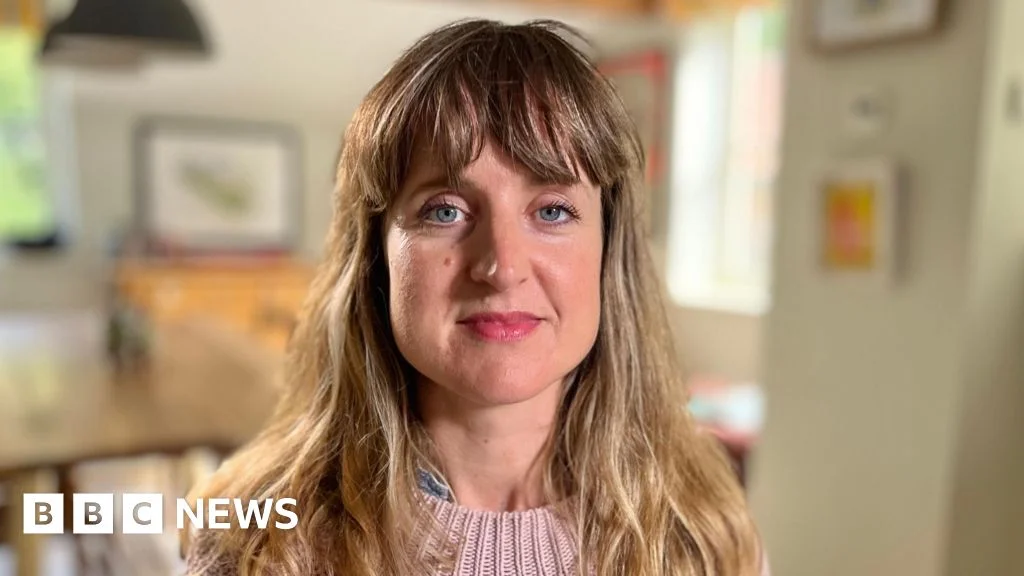
The push for stricter regulations on social media for minors has gained substantial momentum, fueled by parental concerns over harmful content and platform addiction. More than 235,000 people have contacted their Members of Parliament (MPs) advocating for action. This widespread public engagement has prompted government consultations and discussions around potential legislative measures, drawing parallels with Australia's recent move to ban social media for those under 16.
Government's Shifting Position
Initially, the UK government indicated a willingness to explore significant restrictions on social media use for young people. A consultation was launched in January 2026 to assess the viability of a ban, framed as part of broader efforts to protect youth well-being. This followed a vote in the House of Lords that supported Australian-style restrictions. Some within the political sphere, including Conservative leader Kemi Badenoch, have publicly supported a ban, while a significant number of Labour MPs have also voiced their backing. The mother of murdered teenager Brianna Ghey has also appealed for government action.
Read More: Linux Mint: Still a Good Windows Choice?

However, recent signals suggest a less absolute approach. The technology secretary has stated that a ban for under-16s is "not inevitable." This apparent recalibration comes after earlier reports in January 2025 that the government was stepping back from such a policy.
Drivers for Regulation
Several factors underpin the calls for regulating social media access for minors:
Parental Concern: A significant volume of letters from parents to MPs underscores deep anxieties about children's exposure to harmful material and the addictive nature of social media platforms. This has led some, like Paul Arnold, to argue that a ban does not go far enough.
International Precedent: Australia's Online Safety Amendment Act, which took effect in December 2025, serves as a prominent international benchmark. This legislation provides a framework for other nations considering similar measures.
Child Protection: Beyond content, concerns extend to the overall impact of constant smartphone use. Organizations like Healthcare Professionals for Safer Screens advocate for stricter controls on smartphone use itself.
Preservation of Evidence: The government has also committed to legislation ensuring that digital content related to child deaths remains preserved, particularly when social media is deemed relevant.
Technical and Implementation Challenges
Implementing a ban, particularly one involving age verification, presents complex challenges. The UK's proposed VPN age verification requirement introduces complexities not present in Australia's approach.
Read More: PM Asks for Review of Claims About Labour Think Tank Investigating Journalists
Privacy Concerns: Digital rights groups warn that age verification technologies could lead to the creation of extensive surveillance infrastructure, potentially impacting millions of adults. This is a notable trade-off, as VPN usage for legitimate privacy protection on public networks or workplace access would necessitate age verification with VPN providers.
Enforcement Difficulties: Evidence from Australia indicates a surge in VPN downloads on the first day of enforcement, suggesting that technical workarounds might be anticipated or already in progress.
Alternative Perspectives and Criticisms
The prospect of a social media ban has also generated counterarguments and concerns about unintended consequences:
"Not Going Far Enough": Some critics argue that a ban on social media alone may not address the root issues, and could potentially distract from more comprehensive solutions.
Missed Opportunities: A ban might divert focus from essential initiatives like embedding more effective media literacy and critical thinking skills within the education system. It could also be seen as a way to avoid confronting the broader responsibilities of "big tech" companies.
Exacerbating Inequalities: There is a concern that leaving decisions to individual families could worsen existing inequalities, as not all families may have the resources or knowledge to navigate the online world effectively.
Expert Analysis and Future Considerations
The ongoing discourse involves a wide array of stakeholders, from parents and educators to tech companies and digital rights advocates. The government's commitment to consultation signifies an acknowledgment of the multifaceted nature of the issue.
Read More: AR Graphics Make Sports TV More Exciting
Balancing Protection and Access: The central challenge lies in finding an appropriate balance between safeguarding young people from online harms and preserving their access to digital platforms and opportunities.
Broader Regulatory Framework: The discussion also raises questions about the efficacy of isolated bans versus more comprehensive regulatory frameworks that address platform design, algorithmic transparency, and corporate accountability.
The UK government's evolving stance on a social media ban for under-16s reflects a dynamic policy landscape. While significant public pressure and international developments have driven discussions towards stricter measures, the complexities of implementation and potential unintended consequences are prompting a more nuanced approach. The outcome will likely depend on the government's ability to weigh these competing factors and to develop solutions that are both effective and equitable.
Sources Used:
The Guardian: https://www.theguardian.com/politics/live/2026/feb/16/social-media-online-safety-act-keir-starmer-uk-politics-live-news-updates - Published Feb 16, 2026. Covers current political discourse and government announcements.
BBC News (Nov 2024): https://www.bbc.co.uk/news/articles/ce9gpdrx829o - Published Nov 20, 2024. Discusses the emerging spotlight on social media restrictions for young people and mentions Australian parallels.
BBC News (Jan 2026 - 1): https://www.bbc.com/news/articles/c93vdxy3kxlo - Published Jan 24, 2026. Details the public pressure from parents and government's announcement of a consultation.
Bloomsbury Intelligence and Security Institute (BISI): https://bisi.org.uk/reports/uk-social-media-ban-for-under-16s-implications-and-implementation-challenges - Published Jan 27, 2026. Analyzes the technical and privacy implications of age verification measures, referencing Australia.
Financial Times: https://www.ft.com/content/22fdf5f1-a259-47df-8b47-3bc20c87ca48 - Published Jan 2, 2025. Reports on the UK tech secretary stepping back from a ban, indicating an earlier shift in government stance.
Full Fact: https://fullfact.org/technology/banning-social-media-for-under-16s-could-create-more-problems-than-it-solves/ - Published Jan 22, 2026. Argues against a ban, highlighting potential to avoid deeper regulatory issues and educational reforms.
BBC News (Jan 2026 - 2): https://www.bbc.co.uk/news/articles/cgm4xpyxp7lo - Published Jan 19, 2026. Confirms the launch of a UK consultation on a ban and notes political support.
The Guardian (Jan 2026 - 2): https://www.theguardian.com/media/2026/jan/29/social-media-ban-under-16s-uk-australia-views - Published Jan 29, 2026. Explores the impact of a potential ban and public sentiment, referencing Australia and parental experiences.
Read More: Lloyds Bank Looks at How It Used Staff Money Data in Pay Talks