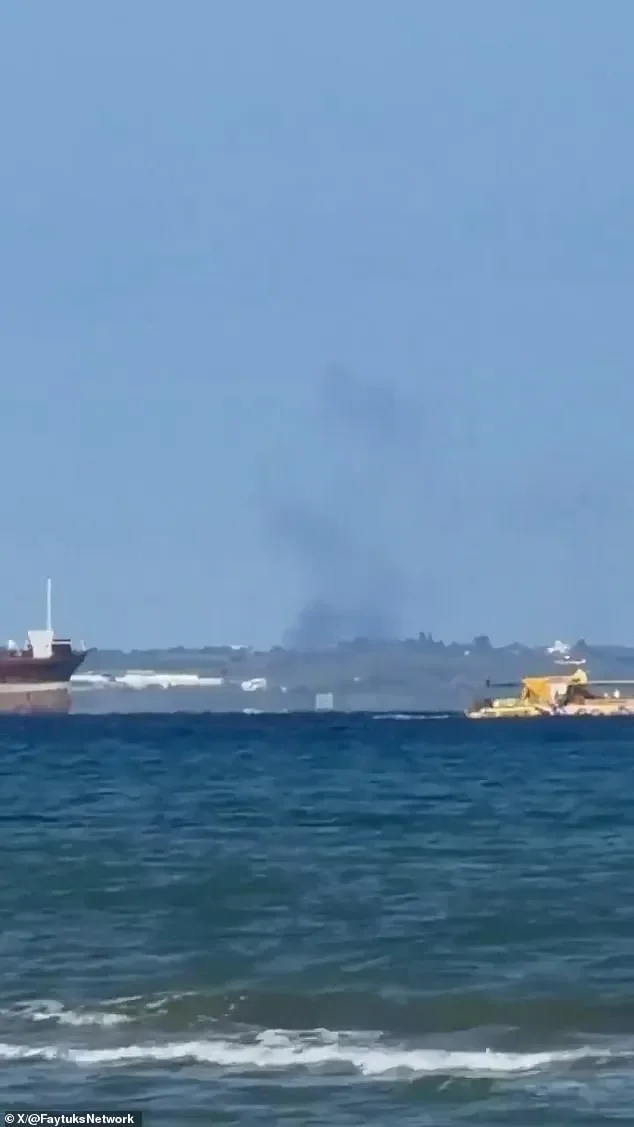
The United Kingdom's naval presence in the Arabian Gulf has dwindled to zero warships, a stark reality revealed as tensions with Iran escalate. This absence is a direct consequence of a reduced fleet, with many vessels undergoing extensive refits or regeneration, leaving only a handful available for active duty. The remaining ships are a mix of those in maintenance, like HMS Iron Duke, and others preparing to depart, such as HMS Somerset. This situation is compounded by the planned departure of the UK's sole minesweeper, HMS Middleton, with no immediate replacement foreseen.
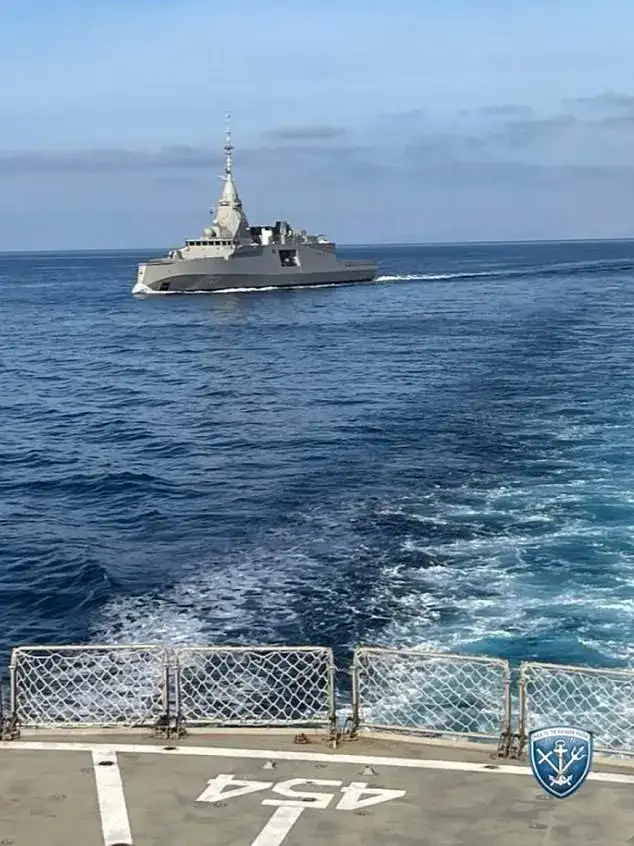
Warships Scattered, Deployments Limited
Amidst the intensifying conflict in the Middle East following US and Israeli strikes on Iran, the Royal Navy's operational capacity appears severely stretched. Several destroyers, including HMS Defender and HMS Diamond, are reportedly undergoing major refits. HMS Daring is in a regeneration phase, expected to rejoin the fleet later in the year. Similarly, HMS Kent is finishing a significant refit. In mid-February, HMS Dauntless concluded a brief engagement with the French carrier strike group and entered a three-month support period.
Read More: India's Defence Ministry approves ₹52,000 crore on Friday for new Army and Navy tech
The current geopolitical climate in the Middle East, marked by retaliatory attacks and the targeting of vessels in strategic waterways, has amplified scrutiny on the Royal Navy's diminished global footprint.
Cyprus Reinforcements Amidst Drone Incursions
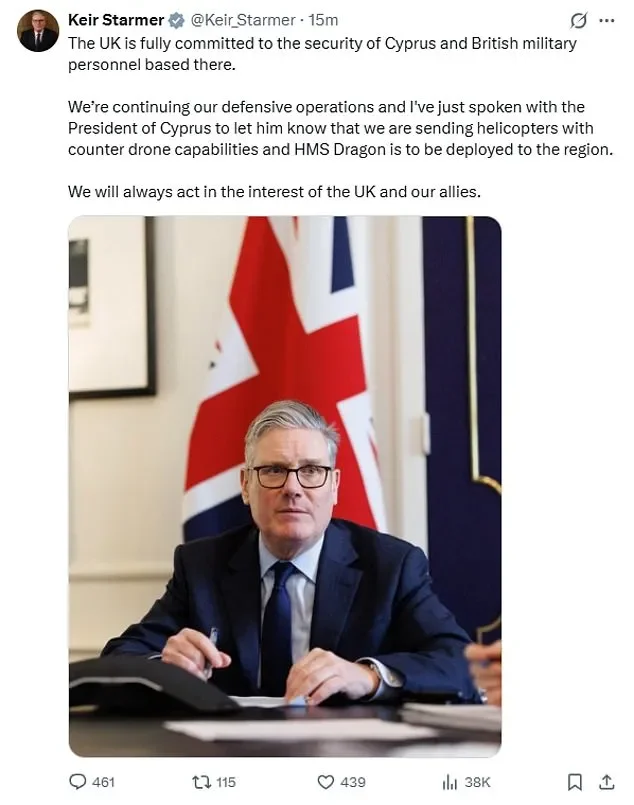
In response to a drone breach at RAF Akrotiri in Cyprus, a Type 45 destroyer, HMS Dragon, has been dispatched to the eastern Mediterranean. This deployment, announced by Keir Starmer, also includes helicopters equipped with anti-drone weaponry. This action follows a drone incident on Monday, which caused minor damage despite the presence of counter-drone units. France has also committed a frigate and anti-drone systems to Cyprus.
Read More: AFP Reviews War Crime Claims Against Australian in Gaza
Historical Precedents of Naval Confrontation
The current situation echoes past incidents, including the Iranian seizure of 15 British sailors in 2007, where Britain maintained the personnel were in Iraqi waters. Reports at the time suggested the sailors were interrogated and allegedly "confessed under interrogation" to entering Iranian territory, with Iranian authorities suggesting espionage charges. The UK ultimately relied on diplomacy for their release.
Strategic Dilemmas and Shifting Alliances
Vice Admiral Steve Moorhouse, commander of the Royal Navy fleet, defended the decision to withdraw warships from the Gulf, citing a preference among Gulf states for training over a continuous naval presence. He acknowledged that low fleet numbers were a contributing factor. Allies in the Middle East, he stated, showed more interest in anti-piracy training and mine countermeasures.
Naval Assets Under Scrutiny
The Royal Navy's limited assets include a small number of destroyers, such as the six air defence Type 45s, described as highly advanced warships. These vessels possess capabilities to intercept drones and ballistic missiles, a feature deemed critical in the current regional threat landscape. However, the overall operational readiness and availability of these assets are subjects of increasing concern.
Read More: India Approves ₹52,000 Crore Military Hardware Deals
Iran's Assertiveness on the Seas
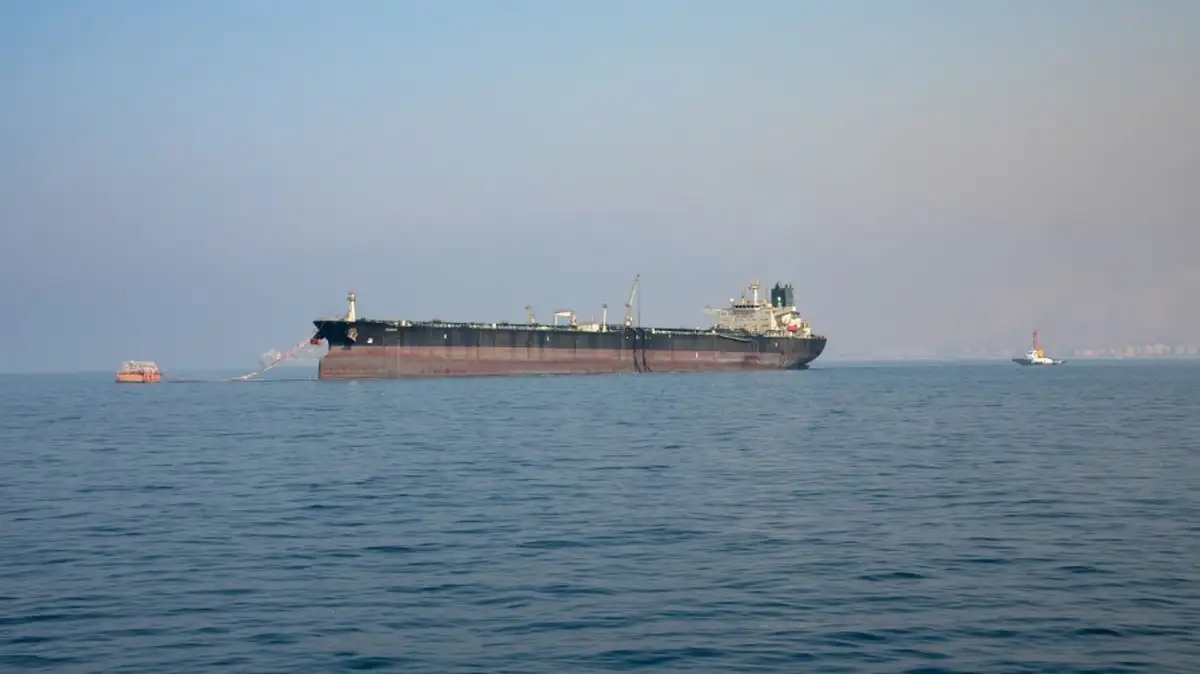
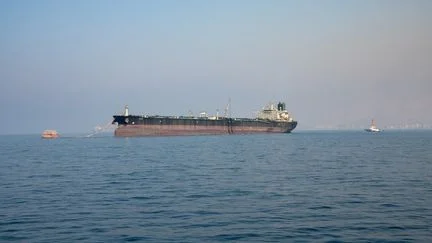
Iran's actions, including the seizure of tankers and alleged attacks on commercial shipping, highlight its capacity to exert influence in critical maritime zones. The targeting of a US naval base in Bahrain and perceived gaps in regional air defences raise further questions about the efficacy of international responses to Iran's assertive maritime posture.
The Gulf Challenge
The strategic position of Iraq, with its limited coastline, has also been a factor in past naval encounters. The location of Iraq's offshore oil terminals, situated outside territorial waters, has complicated maritime boundary disputes and created potential flashpoints.