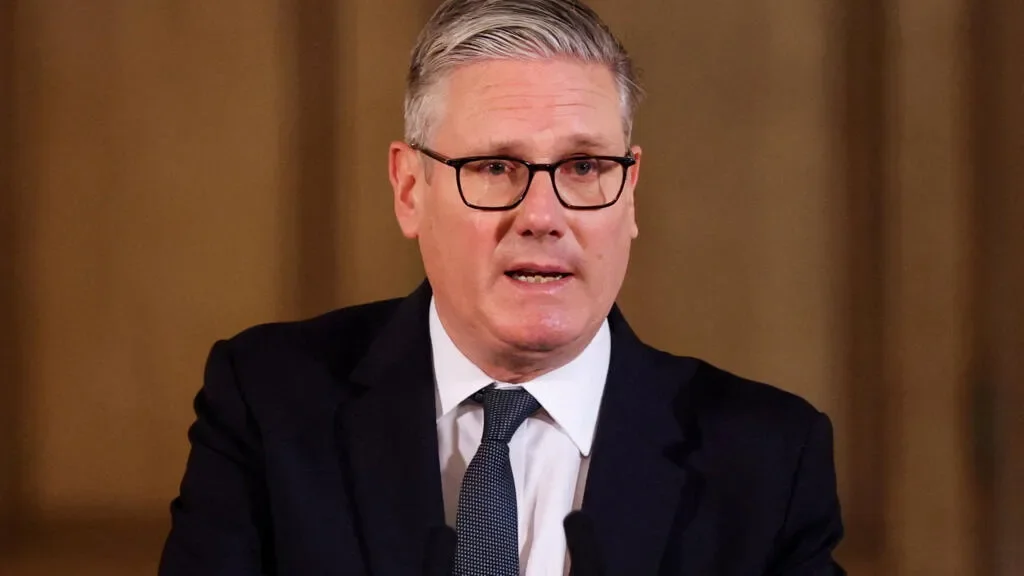
Prime Minister Keir Starmer is currently navigating a severe political storm, with a significant number of his own Labour MPs openly calling for his resignation. This week saw a dramatic escalation as four ministers and four ministerial aides departed his government, citing a lack of confidence in his leadership. Health Secretary Wes Streeting delivered a particularly scathing critique upon his resignation on Thursday, signalling a potential leadership challenge and highlighting a perceived "vacuum" at the top.
The crisis for Starmer is underscored by widespread public discontent, with recent polls indicating he is Britain’s most unpopular leader on record. His tenure has been marked by accusations of abandoning manifesto promises and a perceived inability to connect with the public, leading to disastrous results in recent local elections in Wales and Scotland.
Read More: Taiwan Holds Nantou County Drills to Prepare for State Collapse
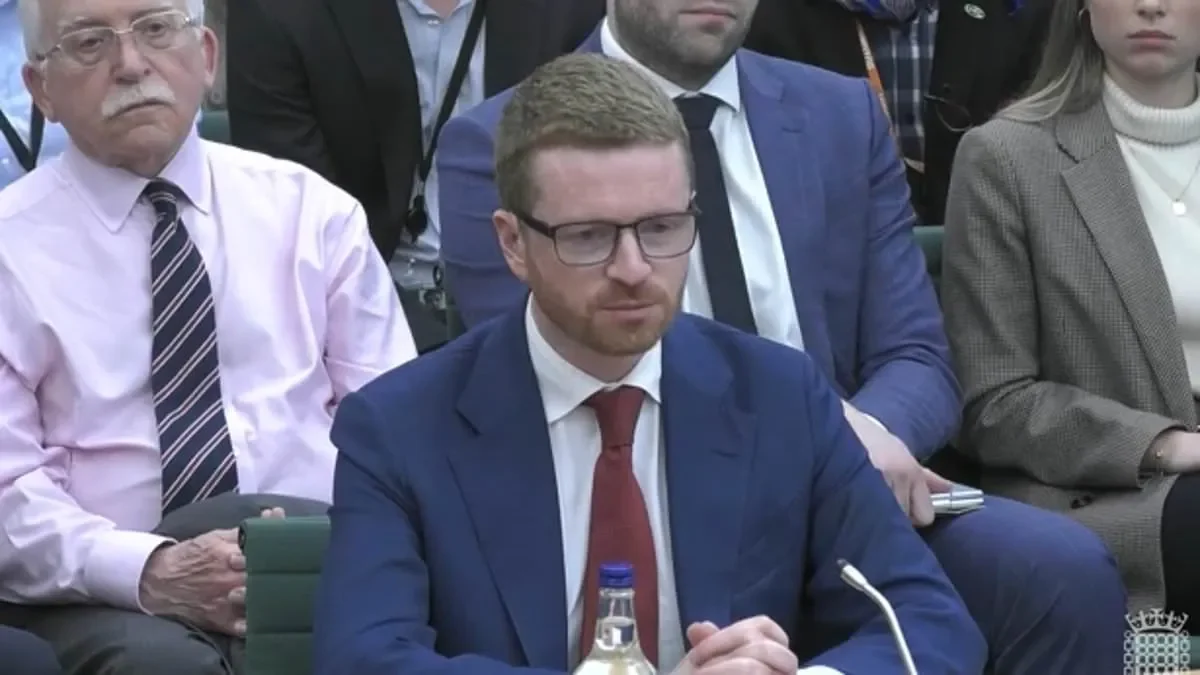
Potential successors are beginning to position themselves. While Wes Streeting has publicly expressed his loss of confidence, he has yet to formally launch a leadership bid, with speculation suggesting he may not yet command the necessary support. Meanwhile, Angela Rayner, another prominent figure with left-wing appeal, has had a significant barrier to a leadership run removed following the conclusion of a probe into her tax affairs. In a move to facilitate another potential challenger, MP Josh Simons is stepping down to trigger a by-election, creating an opening for Andy Burnham, the Mayor of Greater Manchester, to return to Parliament. Burnham has indicated his intention to stand for the Makerfield seat.
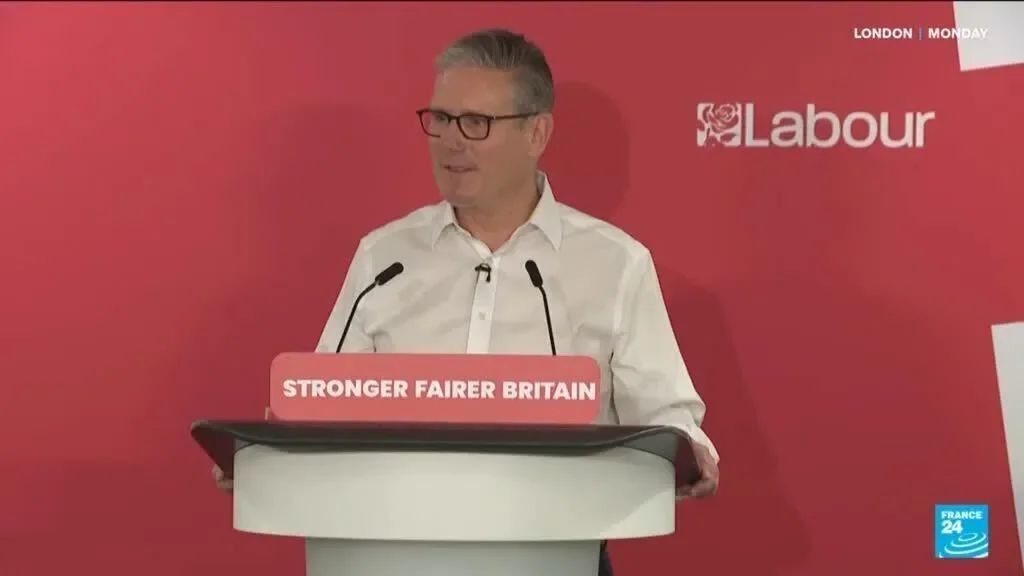
The government's official stance, as articulated by Chancellor Rachel Reeves, warns that any leadership contest would "plunge the country into chaos." Despite the internal turmoil, Downing Street has indicated it will not block Burnham's candidacy for the by-election.
Read More: Tess Daly wears wedding ring in London after split from Vernon Kay
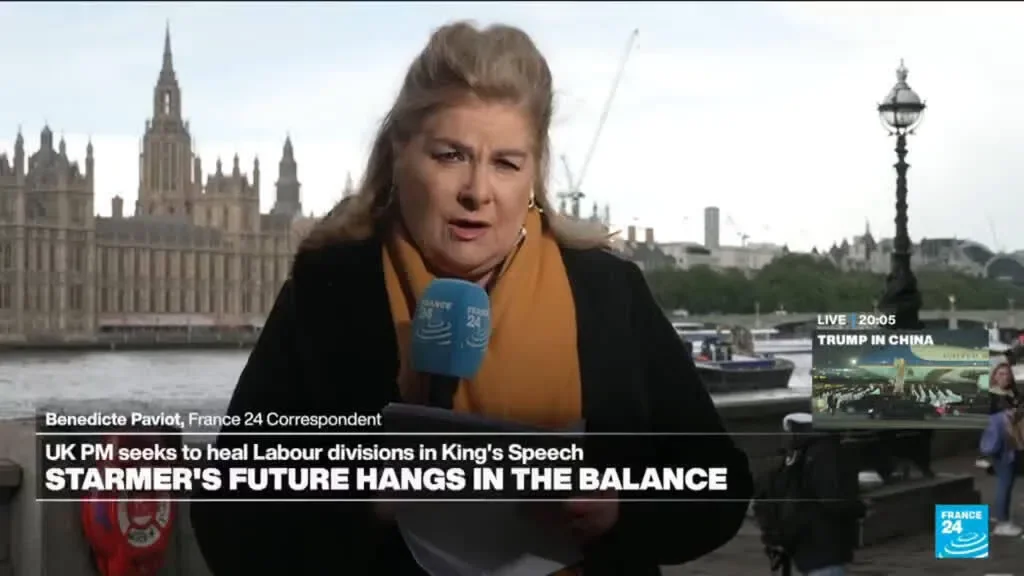
The roots of this crisis appear to be multi-faceted. Starmer’s leadership has been characterised by a shift towards the political centre, a move away from the policies of his predecessor, Jeremy Corbyn. This repositioning, however, has seemingly failed to resonate broadly, with many within his own party feeling alienated. Furthermore, issues such as a surge in small boat crossings, with over 72,000 recorded under his premiership, have become significant points of contention. The government's legislative agenda was also recently outlined in the King's Speech, detailing proposals for digital IDs, nationalisation of British Steel, and changes to the NHS and police, though the political uncertainty now casts a shadow over its implementation.
Labour's affiliated unions have also added their voice to the calls for Starmer’s departure. The Prime Minister has, however, reportedly told his cabinet to either "put up or shut up," indicating a resistance to being easily ousted. Despite the mounting pressure and resignations, no MP has yet formally launched a bid to challenge Starmer for leadership.
Read More: FBI Analysts Review Georgia 2020 Election Data in Fulton County