GENETIC KEY UNCOVERED AT ST. JUDE RESEARCH HOSPITAL
Scientists at St. Jude Children's Research Hospital have identified a microscopic genetic element, a small RNA, that appears to dictate whether the Vibrio cholerae bacterium, the agent of cholera, is capable of infecting humans or if it remains confined to environmental survival. This discovery, published in Nature Communications, introduces a new layer of complexity to our understanding of how this pathogen operates, potentially offering avenues for improved prediction and prevention of cholera outbreaks.

The core finding centers on a specific type of small RNA that, when present in its human-associated variant, seems to actively hinder the bacterium's ability to form biofilms. Biofilms are structured communities of bacteria that cling to surfaces, a crucial characteristic for pathogens to evade host defenses and establish infection. The suppression of biofilm formation by this small RNA allows the bacteria to navigate immune barriers more effectively, thus facilitating human infection.
Read More: Australia Quarantines 6 Hantavirus Ship Passengers for 3 Weeks

This regulatory molecule, embedded within another gene, controls the bacterium's habitat preference, acting as a switch between environmental persistence and the capacity to cause disease. The implications of this finding are significant, suggesting that monitoring these small RNA variants could offer a novel way to assess the potential threat posed by different cholera strains.

HISTORICAL ECHOES AND FUTURE PATHWAYS
Previous research has hinted at the role of regulatory RNAs in Vibrio cholerae's virulence. Studies, including those published in journals like fems MicroLife in June 2023, have explored the function of small RNAs (sRNAs) in modulating bacterial behavior, with specific attention paid to quorum sensing systems and RNA-binding proteins. These earlier investigations laid groundwork for the current revelation, highlighting the intricate regulatory networks within the bacterium.

The newly identified small RNA adds a critical piece to this puzzle. Its ability to directly influence biofilm formation, a known factor in Vibrio cholerae's pathogenesis, underscores its importance.
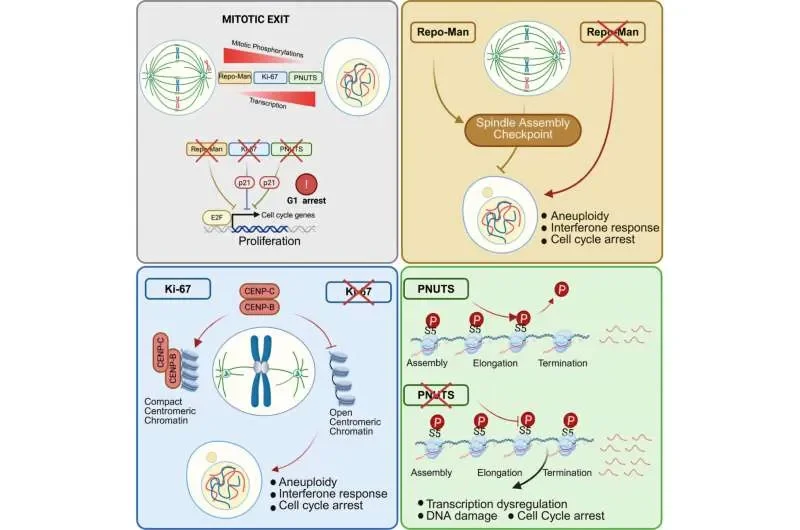
Read More: Ki-67 protein new target for cancer treatment
Location: The small RNA is found embedded within another gene.
Function: Its presence in a human-associated variant suppresses biofilm formation.
Outcome: This suppression enables bacteria to bypass immune barriers and facilitate human infection.
Broader Impact: Could lead to better prediction and prevention strategies.
Further investigation into the precise mechanisms by which this small RNA operates, and how its variants arise and are distributed, will be crucial in translating this scientific breakthrough into practical public health tools. The challenge now lies in moving from identifying this genetic switch to harnessing its knowledge for the control of a disease that continues to pose a significant global health threat.