Recent events show Iran grappling with significant internal and external pressures. Widespread protests have erupted in its capital, Tehran, while the nation also contends with a massive cyberattack that has severely disrupted its banking system. These developments unfold against a backdrop of escalating regional tensions, particularly concerning Iran's stance on the conflict in Gaza and its broader relationship with Israel and the United States.
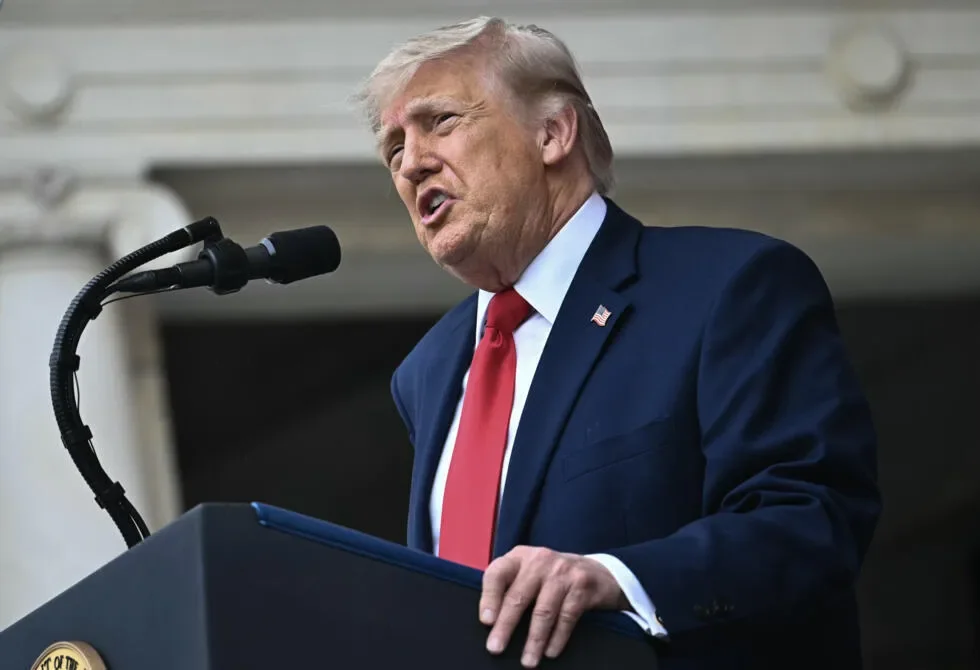
The situation is marked by a complex interplay of diplomatic maneuvering, military posturing, and internal dissent. Iran has publicly warned of potential actions against Israel, a threat that has drawn sharp rebukes from European powers and prompted increased US military presence in the region. Simultaneously, US rhetoric, particularly from former President Donald Trump, suggests a strong desire for Iran to "capitulate." This dynamic creates a volatile environment where regional stability appears increasingly precarious.
Read More: Confidential Computing Security Flaw Found on 4 April 2026
Background of Escalating Pressures
The current unrest and heightened international scrutiny follow a period of significant events. Iran has been the target of what is described as one of the largest cyberattacks against its state infrastructure, which paralyzed its central bank. This occurred as the international community closely watched Iran's regional actions, particularly its pronouncements regarding potential strikes on Israel if a ceasefire in Gaza was not achieved.
European leaders from the United Kingdom, France, and Germany issued a joint statement warning Iran of responsibility for any attacks on Israel, a move that could worsen regional instability and hinder ceasefire efforts. This comes after Israel reportedly launched strikes targeting Iranian nuclear sites, missile facilities, and other military infrastructure, with residents in Tehran reporting explosions and the presence of fighter jets.
Read More: Iran Warns Gulf States After U.S. Naval Clash
Evidence of Current Events
Multiple sources point to significant activity and tension surrounding Iran:
A cyberattack of considerable magnitude has paralyzed Iranian banks, with reports suggesting it may be one of the largest against Iranian state infrastructure to date. This attack occurred while international attention was focused on Iran's regional posture.
Israel has reportedly conducted strikes against Iranian nuclear sites, missile facilities, and military infrastructure. Residents in Tehran reported hearing explosions and seeing Israeli fighter jets.
Iran has publicly announced its intention to attack Israel unless a ceasefire is reached in Gaza. This statement has drawn warnings from the UK, France, and Germany, who have stated Iran "will bear responsibility" for any such attack.
Iran has reportedly decided to suspend plans for strikes against Israel, favoring diplomatic channels. This shift is attributed, in part, to the anticipated stance of Donald Trump should he return to the US presidency, known for his hardline approach towards Iran.
US military assets, including advanced air defense systems like THAAD and Patriot, have been deployed in the region. A new regional defense coordination cell has also been established in Saudi Arabia and Qatar to synchronize missile and drone detection and interception systems.
Iran has revealed images of a large underground facility filled with cruise missiles and ballistic missile systems, described as a "missile city." Analysts suggest the video, intended as a show of force, may have inadvertently revealed a critical vulnerability.
Iranian Strategy Under Review
In the face of mounting external and internal pressures, Iran appears to be recalibrating its strategic approach. Reports indicate that meetings are scheduled with representatives from Great Britain, France, and Germany to explore avenues for de-escalating tensions. This initiative seems to stem from a desire to calm the situation in Lebanon, where heavy losses for Hezbollah have fueled discontent within the local Shiite community.
The potential return of Donald Trump to the US presidency, a figure recognized for his stern policies towards Iran, has reportedly led Iranian authorities to adopt a more cautious stance. Diplomatic sources suggest Iran has paused its plans for strikes against Israel, opting instead for a diplomatic route, although this does not signify a permanent abandonment of its objectives.
Read More: PeopleSoft Data Breach: ShinyHunters Claims 3.1TB Stolen
US Rhetoric and Regional Military Posturing
Statements from US officials and military movements suggest a readiness to confront Iran. Former President Donald Trump has expressed curiosity as to why Iran has not yet "capitulated" and has previously stated his intention to hold the regime accountable for its actions. US forces have reportedly targeted Houthi radars, air defense systems, and missile and drone systems in the Red Sea, actions framed as an effort to secure international shipping lanes.
Simultaneously, the US has bolstered its military presence in the Middle East, deploying aircraft carriers, fighter jets, and stealth bombers to the region. The establishment of a regional coordination cell for defense further underscores a synchronized effort among several nations to counter potential Iranian missile and drone threats. This military buildup and assertive rhetoric create a strategic climate of tension.
Read More: Russia Boosts Air Defense Against Ukraine Drone Attacks
Cyber Warfare and Vulnerabilities
The recent large-scale cyberattack on Iran's banking system highlights a significant vulnerability. The attack's scope and impact are considered substantial, raising questions about the resilience of Iran's critical infrastructure. While the perpetrators remain unconfirmed, the timing of this digital disruption amidst heightened geopolitical tensions is notable.
Furthermore, the unveiling of Iran's underground "missile city," while intended as a demonstration of strength, has been analyzed by military experts. Reports suggest that the broadcast of this facility may have inadvertently exposed critical design flaws, raising questions about the actual invulnerability of its advanced weaponry.
Expert Perspectives on the Escalation
Analysis of the current situation points to a period of profound strategic uncertainty. David Shapiro, an analyst, has suggested that a scenario involving a takeover by the Revolutionary Guard could lead to the perpetuation of an aggressive regime. He also posits that a direct attack on Khamenei and the command centers of the Revolutionary Guard could allow Trump to fulfill promises to Iranian protestors and enforce his threats regarding the regime's violent suppression of dissent.
Read More: AI Models Have Hidden Dangers: Small Attacks Can Break Them
The constant back-and-forth between Trump's public statements and Khamenei's online provocations are seen as precursors to a dramatic escalation. The deployment of advanced air defense systems and the formation of regional defense networks illustrate a proactive strategy by the US and its allies in anticipation of potential Iranian retaliation.
Concluding Observations and Implications
The current landscape surrounding Iran is characterized by a pervasive atmosphere of tension and strategic uncertainty. The nation faces a dual challenge: managing widespread internal dissent, evidenced by renewed protests in Tehran, and navigating an increasingly confrontational external environment. The significant cyberattack on its banking sector exposes a critical vulnerability, while reported Israeli strikes on military and nuclear-related sites indicate a direct military challenge.
Read More: Iran Claims US Ceasefire Breach After Strikes, Strait of Hormuz Blocked
Iran's pronouncements regarding potential actions against Israel, coupled with a visible increase in US military assets in the Middle East, suggest a potential for wider conflict. The diplomatic overtures to European powers may represent an effort to de-escalate or gain leverage, while the strategic reveal of its underground missile facilities serves as a clear message of its military capabilities. The rhetoric from US political figures, particularly Donald Trump, adds another layer of complexity, suggesting a potential for more assertive US policies should he return to power. The coordinated regional defense measures by the US and its allies indicate a preparedness to counter perceived threats. The coming period will likely be defined by Iran's strategic choices in response to these pressures and the actions taken by regional and international powers.
Read More: Google and FBI Shut Down NetNut Proxy Network Hijacking 2 Million Devices
JForum - Article 1: https://www.jforum.fr/iran-une-cyberattaque-de-grande-ampleur-paralyse-les-banques.html - Reports on a major cyberattack paralyzing Iranian banks and its regional context.
JForum - Article 2: https://www.jforum.fr/iran-la-liste-des-dirigeants-elimines-et-des-sites-attaques.html - Details Israeli strikes on Iranian nuclear sites and infrastructure, mentioning targeted individuals.
JForum - Article 3: https://www.jforum.fr/liran-revoit-sa-strategie-face-a-israel.html - Discusses Iran's strategic shift towards diplomacy in response to Israeli threats and potential US policy changes.
JForum - Article 4: https://www.jforum.fr/iran-trump-et-bibi-ne-laisseront-pas-filer-cette-occasion.html - Analyzes the potential for dramatic escalation based on statements from Trump and Khamenei, and internal Iranian dissent.
JForum - Article 5: https://www.jforum.fr/l-iran-devoile-une-ville-de-missiles-souterraine-video.html - Covers Iran's unveiling of an underground missile facility amidst rising US tensions.
JForum - Article 6: https://www.jforum.fr/lecrasement-des-houthis-par-les-usa-un-avertissement-a-liran.html - Frames US actions against the Houthis as a warning to Iran and discusses the rationale behind the strikes.
JForum - Article 7: https://www.jforum.fr/trump-attaquera-l-iran-la-preuve-l-enorme-pont-aerien.html - Highlights US military deployments and regional defense coordination in response to potential Iranian actions.